

Public health authority reports 2,025 excess deaths during June heatwave, with expectations of further increases.
New Delhi, India Jul 3, 2026 ALN: The number of deaths recorded in France surged by nearly 30% during the hottest week of the record-breaking heatwave that scorched much of Europe last month, according to the public health authority. This alarming increase has raised concerns about the ongoing impact of extreme weather events on public health, particularly as climate change continues to exacerbate such phenomena.
Public Health France reported an increase of 29.1%, corresponding to 2,025 additional deaths compared with the previous week. This figure, while significant, is likely an underestimate, as officials anticipate the mortality toll to rise further as more data becomes available. The health authority's analysis indicates that the extreme heat had a profound impact on the population, particularly among vulnerable groups, highlighting the urgent need for effective public health responses.
The new figures are significantly higher than the preliminary estimate of at least 1,000 additional deaths provided by the authority the previous week, which only accounted for three of the hottest days during the heatwave. The updated tally covers the week of June 22 to 28, during which France experienced its hottest-ever recorded temperatures. The record temperatures were not just an anomaly but part of a broader trend of increasing heatwaves across Europe, raising critical questions about preparedness and resilience in the face of climate change.
During this period, the country registered 8,973 deaths, a figure that remains partial and may be revised as further analysis is conducted. This represents a 29% increase compared to the 6,948 deaths recorded in the preceding week of June 15 to 21. The rise in mortality was particularly pronounced among individuals aged 45 and older, with those over 65 being the most affected demographic. These statistics underscore the vulnerability of older adults during extreme heat events and the necessity for targeted interventions to protect this population.
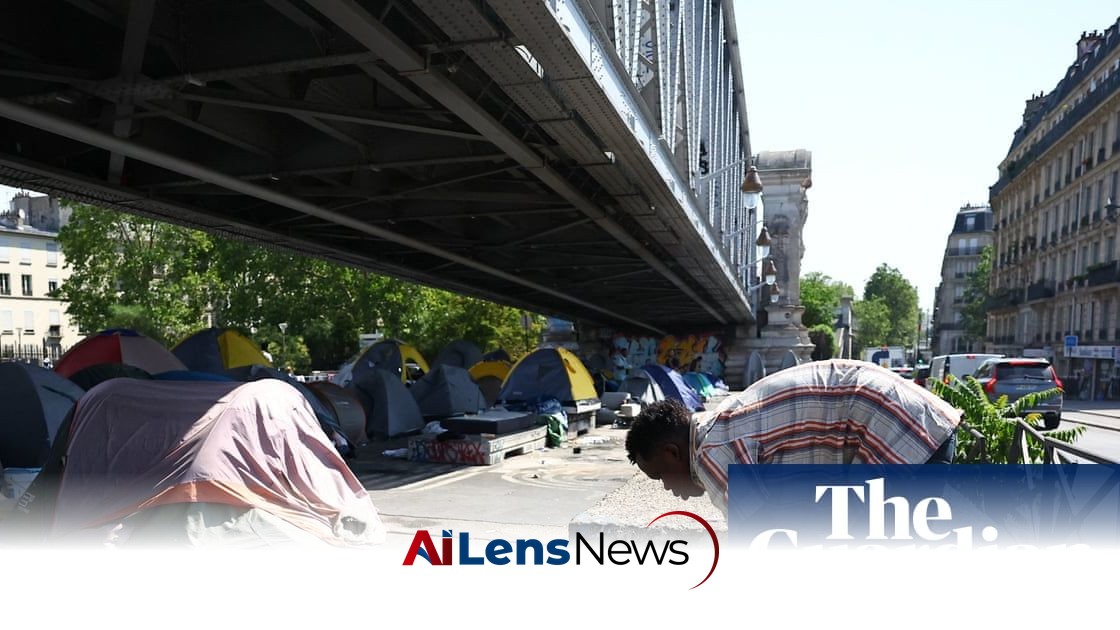
Deaths occurring at home saw the most significant increase, nearly doubling within a single week. This trend raises concerns about the ability of vulnerable individuals to access necessary care during heatwaves, as many may be reluctant or unable to seek medical assistance. Paris emerged as the worst-affected region, with the number of deaths recorded in the capital rising by 62% week on week, according to the report from Public Health France. The concentration of deaths in urban areas, where heat can be exacerbated by the urban heat island effect, highlights the need for city planners to consider climate resilience in their designs.
Nicolas Revel, the director general of the Paris public hospital system, expressed cautious optimism, suggesting that the death toll from the June heatwave might be lower than that of the catastrophic heatwave in 2003, which claimed approximately 15,000 lives. However, he acknowledged that it would likely exceed the toll from a similar extreme heat episode last year, which resulted in 5,700 deaths. The comparison to past heatwaves emphasizes the increasing frequency and severity of such events, calling for enhanced public health strategies and community awareness to mitigate future risks.
Across Europe, the consequences of the extreme heat were felt far and wide. In Belgium, the health ministry reported approximately 1,200 excess deaths during the heatwave, with a significant number of fatalities occurring among the elderly. The Dutch government also reported around 480 excess deaths, primarily among older individuals. These statistics reflect a concerning trend across the continent, as heatwaves become more common and deadly, particularly for at-risk populations.
More than two-thirds of Europeans experienced temperatures exceeding 35°C during the June heatwave, as noted by various reports based on temperature data from the European Drought Observatory and population statistics from the Joint Research Centre. The widespread nature of this heatwave illustrates the interconnectedness of climate-related events across national borders, necessitating a coordinated response from governments and health authorities throughout Europe.
The heatwave also exacerbated existing al issues, particularly in Italy, where drought conditions have left several waterways in a critical state. The Po River Basin Authority reported that Lake Maggiore, located at the foot of the Alps, is currently only 48% full, and dry sections of the Po riverbed have become exposed. In response to these conditions, the Veneto region declared a state of emergency. Such al crises not only threaten water supplies but also have far-reaching implications for agriculture, biodiversity, and economic stability in affected regions.
Additionally, the extreme heat resulted in a significant melting event on Switzerland’s Rhône Glacier, with Matthias Huss, director of Glacier Monitoring Switzerland, stating that the resulting water could have filled an Olympic-sized swimming pool every six seconds for two weeks. This dramatic melting illustrates the tangible impacts of climate change on glacial systems, which are critical for water supply and ecosystem health in many regions. The loss of glacial mass can lead to long-term changes in water availability, affecting both human populations and natural habitats.
All-time temperature records were shattered in several countries, including Germany, Poland, Slovakia, Czechia, and Hungary, while June records were also broken in the UK and Switzerland. France's average temperature during this period reached unprecedented levels, and climatologists from the World Weather Attribution project have indicated that such extreme temperatures would have been virtually impossible without the influence of climate change. This growing body of evidence reinforces the need for immediate action to address the root causes of climate change and to develop adaptive strategies to cope with its effects.
As the impacts of climate change continue to unfold, the rising mortality rates during heatwaves serve as a stark reminder of the urgent need for effective climate policies and public health strategies to protect vulnerable populations. Governments and health authorities must prioritize the development of early warning systems, public awareness campaigns, and community support programs to mitigate the health risks associated with extreme heat. Additionally, investments in infrastructure that enhances resilience to heatwaves, such as green spaces and cooling centers, can help safeguard public health in the face of future climate challenges.
In conclusion, the recent surge in deaths during the June heatwave in France and across Europe highlights the critical intersection of climate change and public health. As extreme weather events become more frequent and severe, it is imperative for societies to adapt and respond proactively to protect the health and well-being of their populations, particularly the most vulnerable among us. The lessons learned from this heatwave should inform future policies and practices to ensure that we are better prepared for the inevitable challenges posed by a changing climate.
To learn more about the latest developments in Climate Change, stay updated with our exclusive reports and analyses on AiLensNews.

