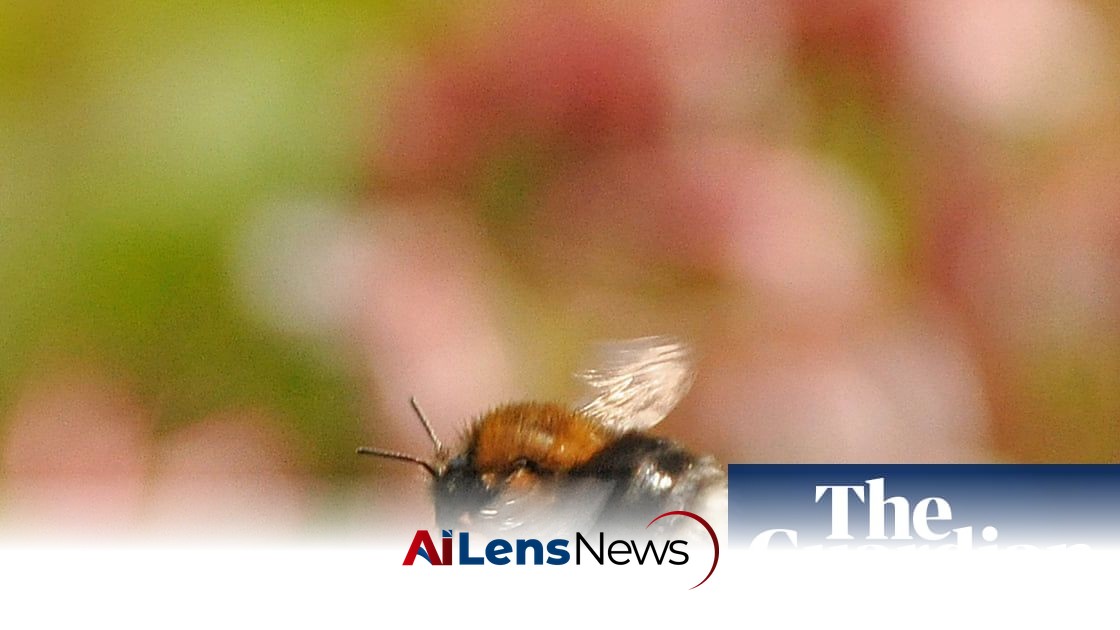


In Langstone, Hampshire, a garden exploration leads to an unexpected encounter with tree bumblebees, revealing their unique defense mechanisms.
New Delhi, India Jul 10, 2026 ALN: Langstone, Hampshire: Tree bumblebees are generally placid, but they’re not keen on someone prodding their home with the end of a bamboo cane. This observation not only reflects the behavior of these fascinating insects but also serves as a window into the complex interactions that occur in our gardens and natural spaces.
Last summer, one by one, all our visiting hedgehogs fell victim to the road. For the first time in years, the hedgehog house beneath a purple-leaved elder in a secluded corner of the garden sat empty over winter. This absence of hedgehogs is a stark reminder of the challenges faced by wildlife in urban and suburban settings, where habitat loss and road traffic pose significant threats to their survival.
Hedgehogs, once a common sight in British gardens, have seen a dramatic decline in their populations due to various factors including habitat destruction, pesticide use, and increased vehicular traffic. The empty hedgehog house in the garden symbolizes not just the loss of individual animals but also a broader ecological imbalance that can occur when species are unable to thrive in their natural habitats. This decline is alarming, as hedgehogs play a vital role in controlling pest populations, such as slugs and beetles, which can otherwise proliferate in gardens and agricultural lands.
Then a few weeks ago, I found fresh faeces on the patio, glistening with fragments of undigested insect exoskeleton – a sure sign that a prickly visitor was about. This discovery sparked hope that perhaps a new hedgehog had found its way to my garden, seeking refuge and sustenance. A few nights of camera trapping revealed a rotund adult with a distinctive arrowhead-shaped mark on its rump. This identification was crucial, as it confirmed that the hedgehog was indeed a new resident, possibly looking for a safe place to hibernate and raise young.
Having checked the nocturnal video recordings to ensure that the house wasn’t already occupied, I decided to clean it out and leave fresh bedding by the entrance to entice the new hedgehog to move in. The last time I looked inside, a palm-sized giant house spider had been in residence, so I tentatively lifted the lid and gave the old hibernaculum – a pile of barley straw and dried leaves that the previous tenant had woven and compressed into a robust sphere – a gentle prod with the end of a bamboo cane. This action, although seemingly innocuous, set off an unexpected chain of events.
There was a sudden burst of radio static. Startled, I jerked backwards. The noise intensified. Having rehabilitated many sick and injured hedgehogs, I’m familiar with the defensive huffing sound they make when they feel threatened. But this was entirely different – a snake-like hiss, thin, high-pitched and harsh. Before I had a chance to figure out where it was coming from, the answer erupted from the box: a squadron of gingery tree bumblebees (Bombus hypnorum) heading straight for me.
Bumblebees are generally placid, but tree bumblebees are renowned for aggressively defending their nests. Their behavior is often misunderstood; while they can be defensive, they are not inherently aggressive unless provoked. And yet this reputation proved to be somewhat exaggerated. While several hovered around my head and bumped against my bare arms in apparent warning, only one pursued me across the lawn as I beat a hasty retreat, and I escaped unstung. This interaction serves as a reminder that even creatures with a fearsome reputation can exhibit a range of behaviors depending on the context of the encounter.
Later, I discovered that the hiss – produced by workers vibrating their flight muscles without taking off – is characterised by strong signals in the ultrasonic spectrum to repel nest-raiding mice seeking a protein-rich bee brood. This defense mechanism is triggered by vibrations and the carbon dioxide in mammalian breath, so from the bees’ perspective my presence must have seemed anything but benign. Such adaptations highlight the intricate survival strategies that species develop in response to threats in their s. The ability to communicate and defend their nests is crucial for the survival of bumblebees, especially in habitats where their populations are increasingly threatened by human activities.
Tree bumblebees are a relatively recent addition to the British fauna, having first been recorded in the UK in the early 2000s. Their rapid spread is attributed to climate change and changing land use, which have created new habitats suitable for these adaptable insects. They are known for their distinctive appearance, with a ginger thorax and black abdomen, and they play a vital role in pollination, contributing to the health of ecosystems and agricultural systems alike. The presence of bumblebees is often an indicator of ecological health, as they are essential for the pollination of many plants, including crops that are fundamental to human food supply.
In conclusion, this unexpected encounter with tree bumblebees not only highlights their fascinating behavior but also serves as a reminder of the intricate relationships between wildlife and their habitats. As we continue to explore and interact with nature, it is essential to approach with respect and understanding, recognizing the vital roles these creatures play in our ecosystem. The presence of bumblebees, for instance, indicates a healthy , as they are crucial pollinators for many plants, including those that form the basis of our food systems.
Moreover, the interactions we have with wildlife in our gardens can serve as important educational moments. They highlight the need for conservation efforts aimed at protecting not just individual species but also the habitats they rely on. As urbanization continues to encroach on natural spaces, creating wildlife-friendly s in our gardens becomes increasingly important. Simple actions, such as providing nesting sites for bumblebees, leaving areas of the garden wild, and creating hedgehog highways can make a significant difference in supporting local wildlife.
Ultimately, our gardens can serve as microcosms of the larger ecological systems that surround us. By fostering a deeper understanding of the species that inhabit these spaces, we can contribute to a more sustainable and biodiverse future. Encouraging coexistence between humans and wildlife is not only beneficial for the creatures themselves but also enriches our own lives, offering moments of wonder and connection with the natural world. Each interaction with wildlife can deepen our appreciation for the ecosystems we are part of, reinforcing the idea that we are not separate from nature, but rather an integral part of it.
As we reflect on our experiences with wildlife, it becomes clear that the act of gardening goes beyond mere aesthetics or food production; it is an opportunity to engage with the natural world in a meaningful way. The choices we make in our gardens can have far-reaching implications for biodiversity and ecological health. By prioritizing native plants, reducing pesticide use, and creating habitats for various species, we can play an active role in supporting the delicate balance of life that sustains our planet.
In light of these considerations, it is crucial to advocate for policies and practices that protect natural habitats and promote biodiversity. This can involve supporting local conservation initiatives, participating in community science projects, or simply sharing knowledge about the importance of wildlife in our gardens with others. By working together, we can create a future where both humans and wildlife can thrive, ensuring that the beauty and complexity of nature remain a part of our lives for generations to come.
To learn more about the latest developments in Conservation, stay updated with our exclusive reports and analyses on AiLensNews.

