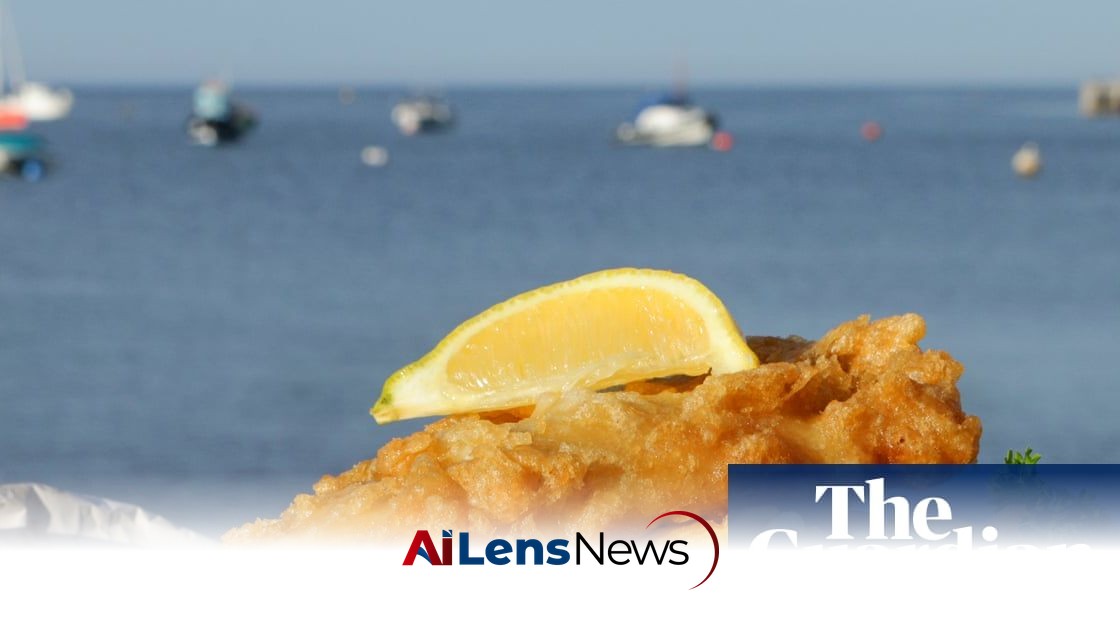


As fish and chip shops face soaring prices, many are replacing cod with cheaper alternatives like coley and hake, prompting a shift in consumer habits.
New Delhi, India Jun 23, 2026 ALN: The traditional British fish and chip shop, a cornerstone of the UK's culinary landscape, is experiencing a significant transformation as soaring prices compel owners to reconsider their menus. The cost of a fish supper has doubled since 2019, prompting many outlets to explore alternatives to the beloved cod, which has long been the quintessential choice for this iconic dish.
In late April, Harbour Lights in Falmouth, Cornwall, made headlines by hosting a "cod-free week," during which cod was entirely removed from the menu. Owner Pete Fraser, who embarked on this experiment for the second time, noted a stark contrast in customer reactions compared to when he first attempted this initiative 15 years ago. Initially met with skepticism, this time the response was markedly different, with customers expressing interest in repeating the experience, indicating a shift in consumer attitudes toward fish options.
The motivation behind such initiatives is largely driven by rising costs that have impacted the fish and chip industry. According to the Office for National Statistics, the average price of a fish supper has surged from £6.48 in 2019 to £11.17 in 2023. This alarming increase can be attributed to various factors, including the ramifications of Brexit, dwindling fish populations, stringent fishing quotas, pandemic-related inflation, and geopolitical conflicts that have disrupted supply chains.
As a consequence of these rising costs, many fish and chip shops are witnessing a decline in regular customers. Those who do visit are often opting to share meals, which reflects a broader trend in consumer behavior towards more economical dining options. The National Federation of Fish Friers (NFFF) has reported that nearly half of fish and chip shop owners are extremely concerned about their future, underscoring the precarious state of the industry.
In response to the challenges posed by rising prices and changing consumer preferences, a growing number of operators are experimenting with alternatives to cod and haddock. Some establishments are discreetly substituting other fish, while others are making their menu changes more transparent. For instance, The Cod’s Scallops in Nottingham has embraced a wider variety of fish, now offering monkfish, hake, plaice, and sea bass. Similarly, Donington Fish and Chips in Lincolnshire has incorporated hake and plaice into its menu, reflecting a trend towards diversifying fish offerings.
In London, the Mayfair Chippy recently removed cod from its menu due to sustainability concerns. Co-owner Pete Taylor noted that the response from customers has been largely positive, suggesting that there is a growing willingness among consumers to embrace alternatives to traditional choices.
Barry Young, managing director of Brixham Trawler Agents, has highlighted the increasing popularity of hake among fish and chip shops, suggesting that there is potential for a broader range of fish species to become more prominent in the future. Fraser, while acknowledging concerns about sustainability, believes that current cod stocks are adequate. He advocates for diversifying fish choices as a means to alleviate pressure on popular species.
Fraser's goal is to encourage British consumers to be more adventurous in their fish selections. He points out that alternatives like coley and pollack, which are priced lower than cod, offer similar cooking and eating experiences as they belong to the same family of fish. This shift in consumer behavior may play a crucial role in the sustainability of fish populations and the overall health of the fishing industry.
In Cromer, Norfolk, Will Watson of Will’s Plaice has introduced New Zealand hoki, which he describes as a cross between cod and haddock. Priced at £12 with chips, hoki is more affordable than cod, which currently costs £14.10. Watson reports that while cod and haddock still account for a significant portion of sales, customers who try hoki often return for more, indicating a growing acceptance of alternative fish options.
Andrew Crook, president of the NFFF, acknowledges that while cod and haddock still dominate sales at many shops, the popularity of alternatives is on the rise, particularly hake, which is often imported from South Africa. However, he also recognizes that substitutes like hoki and coley are not available in sufficient quantities to replace wild cod and haddock, which poses a challenge for the industry as it seeks to adapt to changing market conditions.
As fish and chip shop owners brace for potential further price hikes, there are concerns that prices could double again by the end of the year. This could drive even more establishments to offer alternative fish options, as operators seek to maintain profitability in an increasingly challenging economic landscape. Watson, who is set to open a new shop in North Walsham, emphasizes the need for a shift away from the dominance of cod and haddock, as he continues to engage with suppliers about sustainable options.
Reflecting on the changes over the years, Fraser notes that while cod and haddock once accounted for 90% of his sales, that figure has now dropped to 75%. He remains optimistic about the future, believing that while cod and haddock are still excellent fish, consumers are gradually becoming more open to trying different varieties. This shift in consumer behavior could pave the way for a more diverse and sustainable fish and chip industry, one that balances tradition with the need for innovation in the face of economic and al challenges.
The evolution of the fish and chip shop menu is not merely a response to rising prices; it also reflects broader societal changes regarding food sourcing, sustainability, and consumer preferences. As the industry navigates these turbulent waters, the ability to adapt and innovate will be crucial for the survival of this beloved British institution. The potential for a more varied menu may not only benefit shop owners but could also lead to a more sustainable fishing industry, fostering a deeper appreciation for the diverse marine life that surrounds the British Isles.
To learn more about the latest developments in Conservation, stay updated with our exclusive reports and analyses on AiLensNews.

