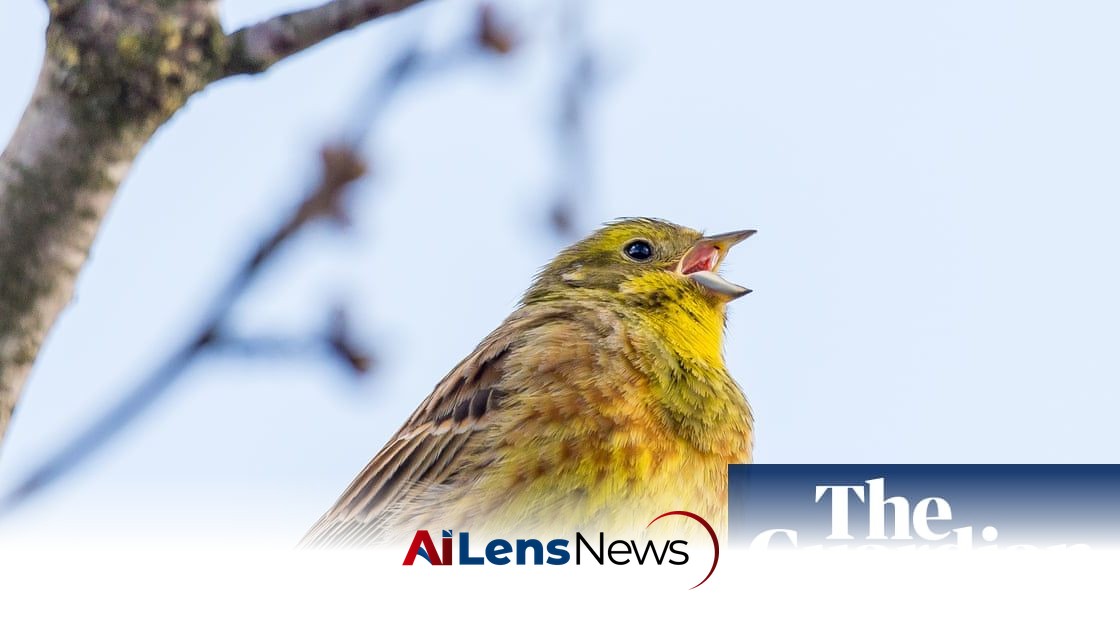


Despite the late June heatwave, the woods and hedgerows of Suffolk were alive with birdsong, including the delightful calls of yellowhammers.
New Delhi, India Jul 8, 2026 ALN: With hindsight, the late June heatwave was not the ideal time for my (very) old schoolmates and me to be cycling around Suffolk. Yet, despite the searing heat and the lateness of the season, the woods and hedgerows were still awash with birdsong. The chirping of chiffchaffs, the melodic calls of blackcaps, and the warbling of whitethroats filled the air, creating an enchanting backdrop as we pedaled through the countryside. Swallows twittered over fields, darting gracefully in pursuit of insects, while swifts screamed past rooftops in the towns and villages we rode through. The vibrant sounds of the avian world enveloped us, providing a lively soundtrack to our journey. I even spotted a cuckoo – which I momentarily mistook for a sparrowhawk – flying fast and low across the road, a fleeting glimpse of one of nature's more enigmatic birds.
The Joy of Yellowhammers
But the biggest surprise was the number of yellowhammers we heard, each delivering their characteristic song: a rapid warble followed by a final flourish, often rendered as “a-little-bit-of-bread-and-no cheeeese.” This cheerful refrain resonated through the hedgerows, a delightful reminder of the simple joys of nature. The presence of these birds was not just a treat for the ears; it was a symbol of the rich biodiversity that can still be found in certain parts of England.
The name yellowhammer is a puzzling linguistic quirk, which might suggest that the bird’s song is peculiarly percussive. The name actually derives, via Anglo-Saxon, from the German word “ammer” – and simply means bunting. This etymology highlights the connections between languages and the ways in which species have been observed and categorized across different cultures. Another now obsolete name, yoldring, almost certainly explains the reference to five gold rings in the famous Christmas carol, while the term scribble lark refers to the pencil-like markings on the bird’s eggs, illustrating the creativity and whimsy often found in the common names of wildlife.
Yellowhammers in Decline
However, the joy of hearing yellowhammers was tempered by the knowledge of their declining numbers. Where I live in Somerset, despite the farmed landscape being similar to Suffolk, yellowhammers are very few and far between. Indeed, I’d come to believe that this colourful little bunting had disappeared from most of lowland England. The decline of yellowhammers is emblematic of broader trends affecting many bird species across the UK, driven by habitat loss, changes in agricultural practices, and other al pressures. As I toiled up the rolling hills, cheered on by a chorus of birdsong, I was delighted to be proved wrong, at least for the time being.
The presence of yellowhammers in Suffolk highlights the importance of habitat conservation and the need for ongoing efforts to support biodiversity. These birds thrive in areas where hedgerows and mixed farmland provide suitable nesting and feeding opportunities. The rich tapestry of habitats that make up the Suffolk landscape is crucial for maintaining healthy populations of yellowhammers and other species. The intricate relationships between the land, the flora, and the fauna are essential for the survival of these birds, and understanding these connections is vital for effective conservation.
Conservation Efforts
Efforts to conserve yellowhammers and their habitats are crucial. Initiatives aimed at restoring hedgerows and promoting sustainable farming practices can help ensure that these birds continue to flourish. Hedgerows are not just important for yellowhammers; they serve as vital corridors for numerous species, providing shelter, food, and breeding sites. Engaging local communities in conservation activities can also raise awareness about the importance of protecting these species. Education and involvement can foster a sense of stewardship among residents, encouraging them to take an active role in preserving their local .
As we cycled through the picturesque landscapes of Suffolk, the cheerful songs of yellowhammers served as a reminder of the beauty of nature and the need to protect it. Their presence not only enriched our experience but also underscored the vital role that each species plays in maintaining ecological balance. The intricate web of life that exists in these rural areas is delicate, and the loss of any single species can have cascading effects on the ecosystem.
Moreover, the significance of yellowhammers extends beyond their immediate surroundings. They are an indicator species, meaning that their health reflects the overall condition of their habitat. When yellowhammers thrive, it often indicates that the ecosystem is healthy, supporting a diverse range of wildlife. Conversely, their decline can signal underlying issues that may affect other species as well, including humans.
Understanding the plight of yellowhammers also sheds light on the broader challenges facing wildlife in the UK. The decline of these birds can be attributed to several factors, including agricultural intensification, which has led to the loss of hedgerows and other vital habitats. Pesticide use has also been linked to declines in insect populations, which are essential food sources for yellowhammers, particularly during the breeding season. Consequently, the decline of yellowhammers can serve as a bellwether for the health of various ecosystems across the country.
In response to these challenges, various conservation organizations have launched initiatives aimed at reversing the trend. Programs that focus on restoring habitats, such as planting new hedgerows and creating buffer zones around agricultural fields, have shown promise in providing the necessary s for yellowhammers and other species to thrive. Additionally, training programs for farmers can promote more wildlife-friendly practices, ensuring that agricultural landscapes can coexist with thriving bird populations.
Community engagement is equally important in these conservation efforts. By involving local residents in monitoring and protecting yellowhammer populations, conservationists can foster a sense of ownership and responsibility for the local . Educational programs that highlight the importance of biodiversity can inspire future generations to take action, ensuring that the songs of yellowhammers continue to resonate in the countryside.
Conclusion
In conclusion, the late June cycling trip around Suffolk turned out to be a delightful experience, filled with the sounds of nature. The unexpected abundance of yellowhammers was a joyful surprise, reminding us of the importance of conservation efforts in preserving our natural heritage. It is essential that we recognize the interconnectedness of all living things and the responsibility we have to protect our for future generations. As we continue to face challenges such as climate change and habitat destruction, the lessons learned from our encounters with nature, like those with the yellowhammers, become ever more vital. By fostering a deeper appreciation for the natural world, we can inspire others to take action, ensuring that the cheerful songs of yellowhammers will echo through the Suffolk countryside for years to come. In doing so, we can contribute to a healthier planet, one where the delicate balance of ecosystems is maintained, and the rich tapestry of life continues to flourish.
To learn more about the latest developments in Conservation, stay updated with our exclusive reports and analyses on AiLensNews.

