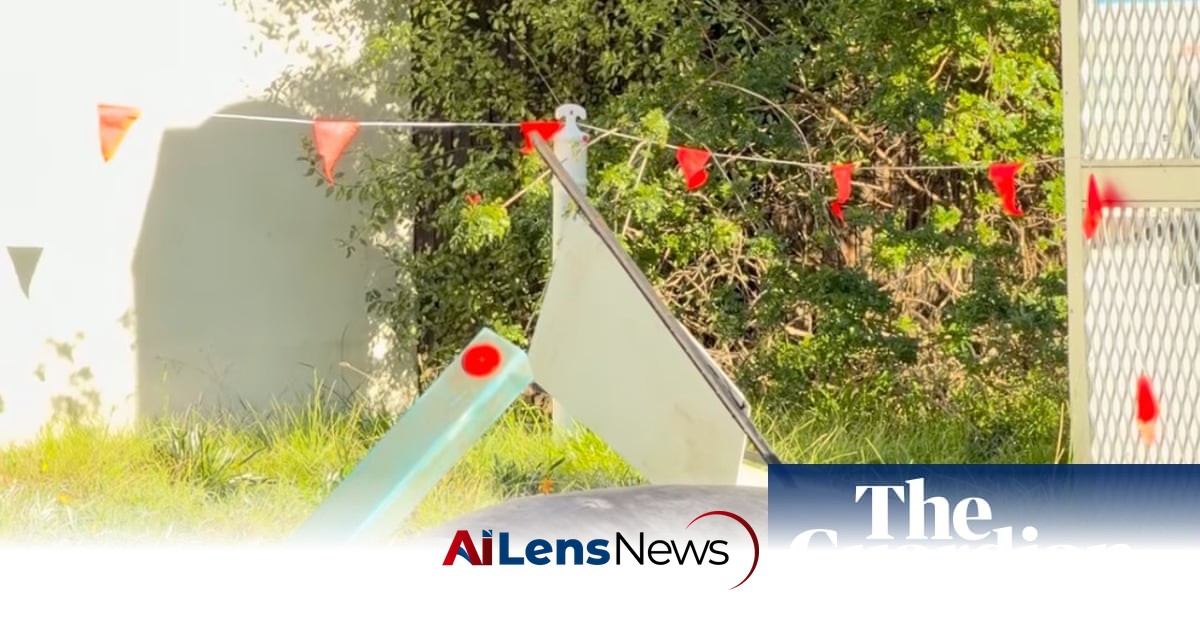


Neil the elephant seal has become a local legend in Tasmania, known for his playful antics that include crushing fences and blocking traffic.
New Delhi, India Jul 2, 2026 ALN: Bollards, traffic cones, fences, and LandCruisers stand little chance against a one-tonne giant known as Neil the seal, now a local legend in southern Tasmania. Neil, a five-year-old elephant seal, has once again taken up residence in Tasmanian towns, where he is bypassing barricades, crushing fences, lying on roads, and even bashing into parked cars. His antics have not only garnered attention but have also sparked a mix of amusement and concern among the local community.
Neil's behavior can be likened to that of an unruly teenager, engaging in what experts describe as play-fighting behavior. According to Rod Macdonald, the mayor of Tasman council, which covers the area where Neil was born in 2020, "He’s probably not the fastest mover, but if he runs into a car or decides to put his nose up on the bonnet, it’s not going to be too good." Despite his troublesome actions, Neil has become somewhat of a celebrity, with Macdonald noting, "he continues to earn his status." This duality of admiration and caution reflects the broader relationship between humans and wildlife, particularly in regions where animals and urban development intersect.
As independent Tasmanian senator Jacqui Lambie puts it, Neil is "the only bloke in Tasmania who can stop traffic, ignore everyone, and still be loved for it." This sentiment captures the unique charm that Neil has brought to the area, as locals have developed a fondness for the seal, often gathering to watch him in action. Dr. Jane Younger, a senior lecturer and seal expert at the University of Tasmania, explains that Neil is simply engaging in "normal seal behaviors." She notes, "He’s come back every year since he’s been born, but he’s bigger now. He’s like 1,000 kilos at this point, and he’s obviously more capable of being a menace. He’s broken fences, he’s harassing people’s cars – that’s just a function of his size." This highlights the natural growth and behavioral evolution of seals as they mature, transitioning from playful pups to formidable adults.
Dr. Younger emphasizes that Neil is only set to grow, as adult male elephant seals can weigh more than 2 tonnes, with larger individuals reaching around three-and-a-half tonnes. This means Neil could become significantly larger than he is now, potentially leading to even more disruptive behavior in the future. Elephant seals are social creatures when they’re on land, typically living in vast colonies during moulting and mating seasons. While most of the Australian populations reside on Macquarie and Heard islands, thousands of kilometers south, Younger suspects Neil is likely the offspring of a young, inexperienced seal who accidentally ventured to Tasmania. This highlights the unpredictability of wildlife behavior and the challenges faced by animals that stray from their natural habitats.
Dr. Clive McMahon, a marine ecologist with three decades of experience working with elephant seals, explains that Neil is on land for one of several "haul outs" that these creatures make each year. He appears to have come for a social visit and is likely to be around for six weeks or so. During this time, he is meant to encounter other young males, interact with them, and rest on shore. McMahon states, "When he would normally encounter young males, they would spar with him, they would be training and preparing themselves for when they’re adults." However, in the absence of other young males, Neil resorts to sparring with bollards, traffic cones, and other inanimate objects to learn his social behaviors. This behavior illustrates the importance of social interactions in the development of young seals and raises questions about the impact of isolation on their growth and behavior.
Unfortunately, Neil seems to be quite lonely. McMahon notes, "Unfortunately, poor old Neil, he’s probably looking for some of those things and is not really finding them," adding that elephant seals often sleep in large clumps, squished up against each other. Observers have noted that when Neil is sleeping, he often positions himself against a fence, likely seeking the comfort of something else nearby. This behavior not only underscores Neil's social nature but also highlights the challenges faced by solitary animals in urban s, where their natural behaviors are often disrupted.
Beyond Neil, elephant seals are facing dire threats. The International Union for the Conservation of Nature (IUCN) recently upgraded the southern elephant seal to "vulnerable" status due to a wave of bird flu that has devastated four out of five major populations. In some colonies, more than 90% of seal pups have died, including 13,000 on Heard Island alone. This alarming statistic serves as a stark reminder of the fragility of marine ecosystems and the cascading effects that diseases can have on wildlife populations. The decline of elephant seals not only affects the species itself but also disrupts the ecological balance within their habitats.
Despite the challenges, residents have learned to adapt to Neil's presence, working out ways to avoid trouble with him. Macdonald mentions, "Because of his size now, he’s a bit of a danger to damaging things." Wildlife officials have advised the public to maintain a distance of at least 20 meters from Neil at all times, and those with dogs should keep at least 50 meters away. This precautionary approach reflects a growing awareness of the need to coexist with wildlife while ensuring both human safety and animal welfare.
McMahon encourages Tasmanians to embrace Neil’s visits. He states, "If we love seeing Neil, why not look after Neil and ensure that he is safe?" He urges people to recognize the privilege of learning about elephant seals and the ocean, emphasizing the importance of conservation efforts. This perspective highlights the potential for wildlife to foster community engagement and education, as residents rally around the shared experience of observing Neil and learning about the broader al issues at play.
In conclusion, Neil the seal has captured the hearts of many in Tasmania, becoming a symbol of the region's wildlife. His playful antics, while causing some disruption, also serve as a reminder of the need to protect and understand the natural world around us. Neil's story illustrates the delicate balance between human development and wildlife conservation, emphasizing the importance of fostering a respectful coexistence with the natural world. As communities continue to navigate their relationships with wildlife, Neil serves as a poignant reminder of the beauty and unpredictability of nature, urging us to appreciate and protect the creatures that share our .
To learn more about the latest developments in Conservation, stay updated with our exclusive reports and analyses on AiLensNews.

