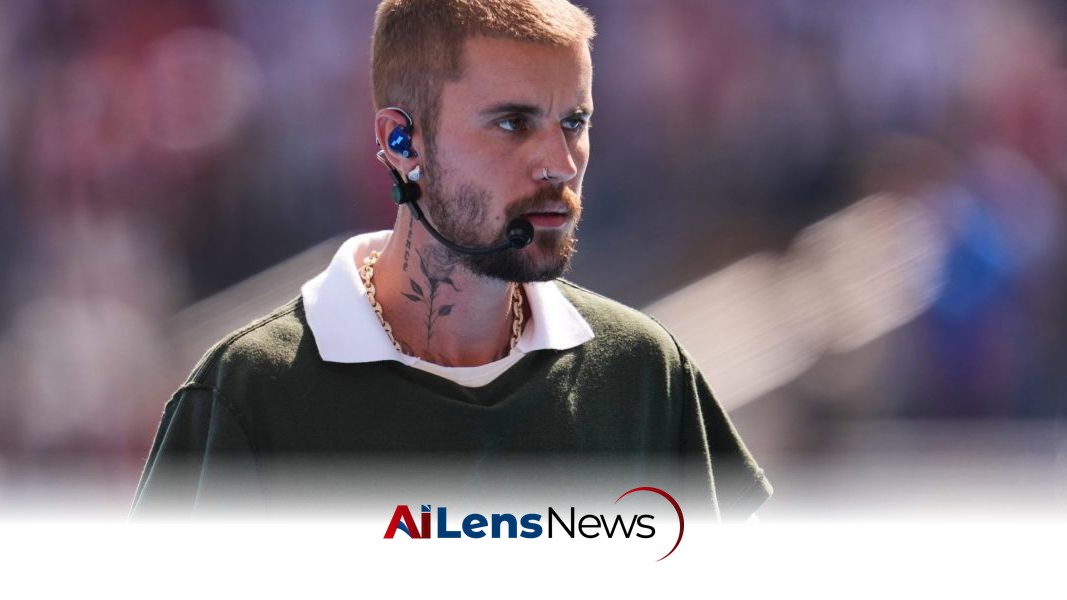


Justin Bieber's halftime performance at the World Cup led to a remarkable 110% increase in streams of his song 'Everything Hallelujah', alongside notable gains for other artists.
Washington DC, United States Jul 23, 2026 ALN: The recent World Cup halftime show, featuring a star-studded lineup that included Madonna, Justin Bieber, BTS, and Shakira, has not only captivated audiences with its energetic performances but has also had a significant impact on the streaming numbers of the artists involved. This 11-minute spectacle was the first halftime show of its kind for the World Cup, marking a notable shift in how major sporting events integrate entertainment into their programming. The decision to feature such high-profile artists reflects a growing trend in the entertainment industry where the lines between sports and music are increasingly blurred.
The performance took place just outside New York, a city known for its vibrant cultural scene and as a hub for entertainment. The choice of location was strategic, as New York City has a rich history of hosting major events that attract global attention. By selecting such a prominent venue, the organizers aimed to maximize the visibility of the halftime show and its performers. The inclusion of iconic artists in the halftime lineup is indicative of a broader strategy to engage a wider audience, appealing not only to die-hard sports fans but also to music lovers and pop culture enthusiasts. In recent years, the halftime show has evolved into a major event in its own right, often generating significant media coverage and public interest, thus becoming a crucial aspect of the overall World Cup experience.
According to Luminate, a data analytics company that specializes in tracking music consumption trends, the impact of the performance on streaming numbers was substantial. Their analysis focused on the streaming figures for the songs performed by the artists two days before the final match and compared them to the figures for the day of the performance and the following day. This method of analysis provides a clear picture of how live performances can influence listener behavior, illustrating the immediate effects of such high-profile events on music consumption.
For Justin Bieber, the performance of his song "Everything Hallelujah" led to a remarkable increase in global streams, which more than doubled from 592,000 to 1.25 million, reflecting a 110% increase. This surge not only highlights Bieber's enduring popularity but also the effectiveness of live performances in driving digital consumption of music. Such spikes in streaming numbers are often seen after high-profile performances, as fans revisit songs they enjoyed during the event or discover them for the first time. The phenomenon of increased streaming is not limited to just one artist; it often creates a ripple effect that can benefit multiple performers involved in the show.
Madonna's "Music" also experienced a notable uptick, with streams rising by 66%, moving from 193,000 to 321,000. This increase underscores Madonna's status as a music icon and her ability to resonate with audiences across generations. Her performance at the halftime show serves as a reminder of her lasting influence in the music industry and her ability to attract both longtime fans and new listeners. Similarly, BTS, the globally renowned K-pop group, saw their song "Dynamite" grow from 2.14 million streams to 3.05 million, a 43% increase. This reflects not only the group's massive fanbase but also the effectiveness of live performances in engaging listeners and prompting them to explore an artist's discography. The global reach of BTS, combined with their dedicated fanbase known as the ARMY, illustrates how powerful a platform like the World Cup can be for artists seeking to expand their audience.
Shakira and Burna Boy's official anthem for the 2026 World Cup, "Dai Dai," also saw a significant increase in streams, with a 24% rise from 14.78 million to 18.27 million. In the U.S. specifically, streams of "Dai Dai" surged by 52%, indicating strong domestic interest in the song as it connects to the upcoming World Cup. This highlights the potential of sporting events to create cultural moments that resonate with audiences and enhance the visibility of associated music. The anticipation for the 2026 World Cup, which will be hosted by the United States, Canada, and Mexico, adds an additional layer of relevance to the song, further driving its popularity.
Luminate's findings also revealed a key trend: the artists involved in the halftime show saw significant increases in the specific songs they performed, rather than across their entire catalogs. This phenomenon is reminiscent of trends observed during the Super Bowl halftime shows, where artists often experience a spike in streams for the songs featured in their performances. For instance, Bad Bunny experienced a staggering 175% increase in streams across his catalog following his performance during the Super Bowl earlier this year, demonstrating the lasting impact of such high-profile appearances. These patterns suggest that live performances serve as a powerful marketing tool for artists, effectively revitalizing interest in their work and drawing in new listeners.
The implications of these streaming surges are multifaceted. For artists, increased streaming numbers can translate into higher revenues from digital platforms, greater visibility in music charts, and potentially more lucrative opportunities for future performances and collaborations. Additionally, these spikes can help reintroduce songs to new audiences, fostering a renewed interest in an artist's work and potentially leading to increased sales of albums and merchandise. The financial benefits of increased streaming are particularly significant in an era where digital consumption is the primary mode of music distribution.
Moreover, the integration of major musical performances into sporting events like the World Cup reflects a broader cultural shift towards a more holistic entertainment experience. As audiences increasingly seek out multifaceted entertainment options, sporting events are responding by enhancing their offerings with high-quality performances that appeal to a diverse range of viewers. This trend underscores the evolving nature of entertainment consumption, where audiences expect more than just a game; they desire a complete experience that includes music, art, and cultural expression.
As we look ahead, the success of this halftime show may set a precedent for future events, encouraging organizers to continue blending sports and music in innovative ways. The positive reception and the resulting streaming surges could lead to more collaborations between sports organizations and artists, ultimately enriching the viewer experience and expanding the reach of both music and sports. Such collaborations can also foster a sense of community among fans, as they come together to celebrate both athletic prowess and artistic talent.
In conclusion, the World Cup halftime show not only showcased the talents of some of the biggest names in music but also demonstrated the powerful impact that live performances can have on streaming behaviors. As the landscape of entertainment continues to evolve, the intersection of sports and music will likely remain a focal point, offering exciting opportunities for artists and fans alike. This event serves as a reminder of the potential for live performances to create lasting impressions and drive engagement in an increasingly digital world, where the synergy between different forms of entertainment can lead to unprecedented success.
To learn more about the latest developments in Events & Award Shows, stay updated with our exclusive reports and analyses on AiLensNews.

