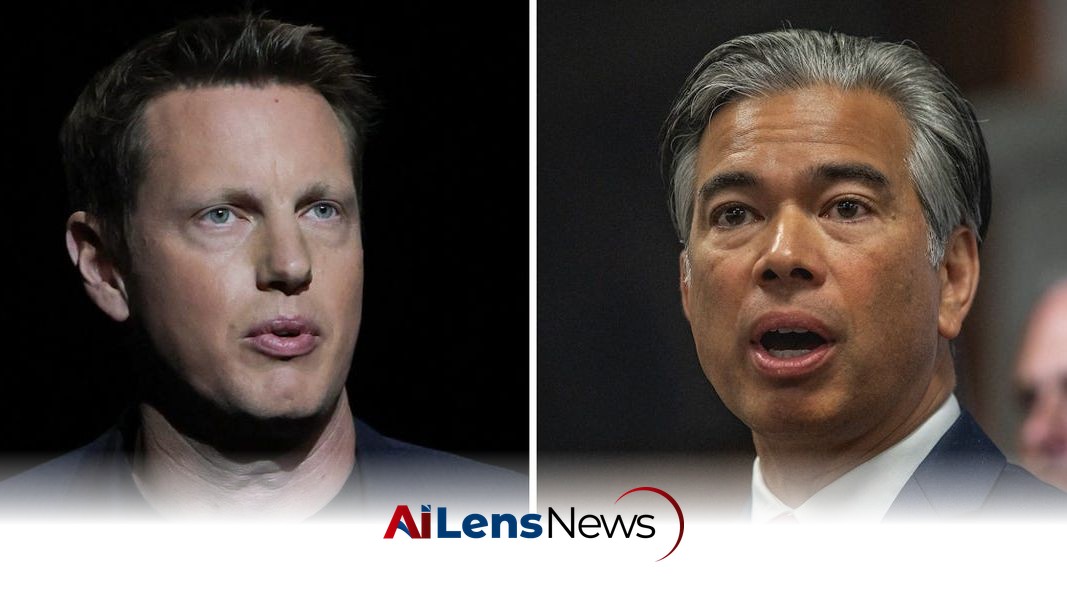


A temporary restraining order halts Paramount's merger with WBD following a lawsuit from California and 11 other states, with a preliminary injunction hearing set for August 3.
Washington DC, United States Jul 20, 2026 ALN: A judge has recently issued a temporary restraining order that pauses the acquisition of Warner Bros. Discovery (WBD) by Paramount Skydance, a move that has significant implications for the entertainment industry. This ruling comes in the wake of a lawsuit filed by California and 11 other states, which alleges that the merger would violate antitrust laws.
The temporary restraining order was granted by Judge Araceli Martinez-Olguin, who was appointed by President Joe Biden to the US District Court in California. This legal action halts the merger for an initial period of 14 days, providing time for the court to consider the broader implications of the proposed acquisition. A preliminary injunction, which could further delay the deal, is set to be discussed in a hearing scheduled for August 3. The outcome of this hearing could either uphold the restraining order or allow the merger to proceed, and there is the potential for either party to appeal the decision.
The lawsuit led by California Attorney General Rob Bonta reflects a growing concern among state officials regarding the consolidation of power within the entertainment industry. Bonta has characterized the Paramount-WBD deal as an "unlawful merger" that threatens to "lead to higher prices, lower quality, and less content for film and television." He argues that such consolidation would adversely affect various stakeholders, including movie theaters, cable distributors, and ultimately the viewing public.
One of the central arguments made by the states is that the merger would grant Paramount-WBD excessive control over three critical areas of media distribution: wide-release films in theaters, big-budget movies, and cable channels. James Weingarten, the attorney representing the states, emphasized during the temporary restraining order hearing that the merger presents a "structural presumption of unlawfulness" in these markets. He expressed concerns that the combined entity would wield "excessive bargaining leverage" over television distributors, thereby undermining competition.
In response to the lawsuit, Paramount has defended its proposed acquisition, labeling the legal challenge as a "fundamentally flawed application of the antitrust laws." The company has asserted that it will vigorously contest the claims made by the states. Jeffrey Kessler, the defense attorney for Paramount Skydance, argued that the barriers to entering the theatrical film distribution market are low, citing the success of independent films and lower-budget projects. Kessler contended that the market share figures presented by the states regarding cable television were misleading, downplaying the potential influence that a Paramount-WBD merger would have over this sector.
Paramount's leadership, including CEO David Ellison, has framed the acquisition as a strategic move necessary for competing against dominant technology firms like Netflix. They argue that the merger would create a stronger competitor in the rapidly evolving landscape of streaming and media distribution, which has been increasingly influenced by tech giants. Ellison's company has posited that the merger would enhance the ability to produce and distribute content, ultimately benefiting consumers and the industry as a whole.
However, Bonta has clarified that the focus of the lawsuit is not on the streaming market, dismissing Paramount's concerns about competition from tech companies as a "distraction and a deflection." This highlights a significant divide in perspectives regarding the future of media and entertainment, as traditional media companies grapple with the challenges posed by digital platforms. The rise of streaming services has indeed transformed the way consumers access content, leading to a seismic shift in the industry dynamics.
If the acquisition were to proceed, it would result in a media powerhouse that combines Paramount Pictures and Warner Bros. Studios, along with streaming services such as HBO Max, Paramount+, and Pluto TV. Additionally, the merger would encompass a wide array of television channels, including HBO, CBS, CNN, TBS, and Nickelodeon. The potential scale of this combined entity raises questions about market dynamics and the future landscape of content creation and distribution. The implications of such a merger extend to advertising, licensing, and content production strategies, which could reshape how media is consumed.
The implications of this legal battle extend beyond the immediate parties involved. The outcome could set a precedent for future mergers and acquisitions in the entertainment sector, particularly as companies increasingly seek to consolidate in response to competitive pressures from digital platforms. As the media landscape continues to evolve, regulators are faced with the challenge of balancing the interests of consumers, industry stakeholders, and the need for healthy competition. The scrutiny of such mergers is becoming increasingly common, as regulators aim to prevent monopolistic practices that could harm consumers.
In recent years, the entertainment industry has witnessed a wave of mergers and acquisitions, as companies strive to adapt to changing consumer preferences and technological advancements. The Paramount-WBD case exemplifies the complexities involved in such transactions, particularly when they intersect with antitrust concerns. The merger trend has been fueled by the need for traditional media companies to bolster their digital offerings and compete against tech giants that have disrupted traditional business models.
As the legal proceedings unfold, industry observers will be closely monitoring the developments, as they may have far-reaching consequences for the future of media and entertainment. The outcome of this case could influence how regulators approach similar mergers in the future, potentially leading to increased scrutiny of consolidation in the industry. This scrutiny is particularly relevant as the COVID-19 pandemic has accelerated changes in consumer behavior, leading to a surge in demand for streaming services and on-demand content.
As the hearing date approaches, both sides are preparing for a critical moment in this legal saga. Paramount is poised to make its case for the merger, emphasizing its potential benefits and the competitive pressures it faces. Conversely, the states will continue to argue for the preservation of competition within the industry, highlighting the risks associated with further consolidation. The legal arguments presented in this case will likely delve into economic theories regarding market competition, consumer welfare, and the potential for innovation.
The eventual ruling on the preliminary injunction will not only determine the fate of the Paramount-WBD deal but may also influence the broader discourse on antitrust regulation in the entertainment sector. As regulators and lawmakers grapple with the implications of media consolidation, the outcome of this case could provide valuable insights into the future of competition and consumer choice in a rapidly changing industry. The decision could lead to more stringent regulations or, conversely, a more lenient approach to mergers, depending on how the court interprets the existing antitrust laws in relation to the modern media landscape.
To learn more about the latest developments in Events & Award Shows, stay updated with our exclusive reports and analyses on AiLensNews.

