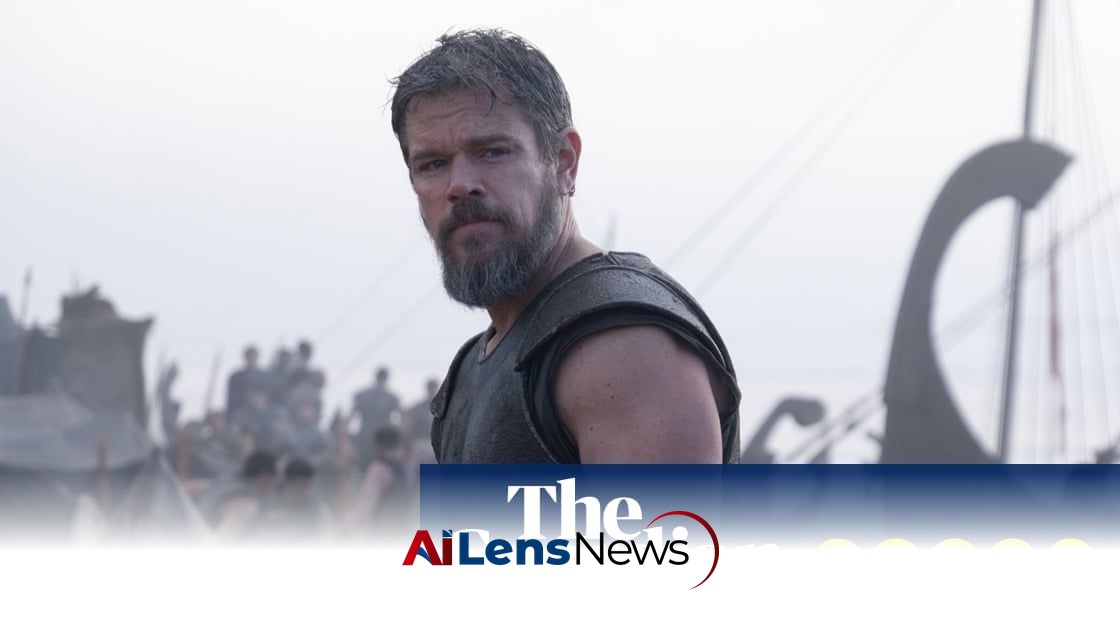


Christopher Nolan's adaptation of The Odyssey reinvents the Homeric tale, exploring the profound impacts of war through stunning visuals and a powerful narrative.
London, United Kingdom Jul 15, 2026 ALN: Christopher Nolan has long been celebrated for his ability to weave complex narratives that challenge viewers while remaining deeply engaging. In his latest film, The Odyssey, he takes on the monumental task of reinterpreting the ancient Homeric epic, transforming it into a cinematic exploration of war and its profound psychological aftermath. The film serves not only as a retelling of the classic tale but as a commentary on the enduring impact of trauma, particularly as it relates to soldiers returning home from conflict. This theme of postwar disillusionment resonates strongly in contemporary society, where many veterans struggle with the invisible wounds of war, such as PTSD.
The film opens with a striking portrayal of soldiers returning from battle, their physical presence starkly contrasted with their emotional and spiritual disarray. Nolan uses flashbacks and hallucinations to illustrate the harrowing psychological journey many veterans endure. The narrative structure reflects the fragmented nature of memory and trauma, emphasizing that while soldiers may return to their families, the scars of war often linger long after the physical battles have ended. The film poignantly highlights that the emotional odyssey can be just as treacherous as the physical journey, leaving families and loved ones grappling with the consequences of their absence.
Nolan’s ambition in The Odyssey is palpable. The film is characterized by its bold visual style and sweeping landscapes that evoke a sense of loneliness and isolation. Cinematographer Hoyte van Hoytema captures these themes through stunning IMAX visuals, steering clear of traditional depictions of the sea. Instead, he opts for a more nuanced palette that reflects the emotional turmoil of the characters. The battle sequences are not just spectacles of action; they are visceral experiences that immerse the audience in the chaos and confusion of war. Accompanied by a powerful score, the film’s sound design further enhances the emotional weight of each scene, drawing viewers into the characters’ experiences.
At the heart of the film is Matt Damon’s portrayal of Odysseus, a character who embodies both the heroic and tragic elements of the narrative. Damon’s performance captures the essence of a leader torn between duty and the haunting memories of war. His interactions with Penelope, played by Anne Hathaway, reveal a complex relationship strained by the weight of impending conflict. In a poignant moment, Odysseus advises Penelope to remarry should he not return, underscoring the grim reality of their situation. This conversation serves as a powerful reminder of the personal sacrifices made in the name of duty, as well as the emotional toll on those left behind.
The film’s portrayal of the war's true motivations is particularly striking. As Odysseus reveals to Penelope, the conflict with Troy is not merely a matter of honor or revenge for the abduction of Helen (Lupita Nyong’o) but rather a competition for control over vital trade routes. This revelation adds a layer of complexity to the narrative, prompting viewers to consider the often banal and commercial motivations behind warfare. The film invites reflection on the nature of conflict and the often-overlooked human cost that accompanies grand historical narratives.
The climax of the story unfolds with the introduction of the iconic Trojan Horse, a symbol of cunning and deception. Nolan’s interpretation of this moment is both visually striking and thematically rich. The horse, which is meant to signify victory, becomes a vessel for deeper moral questions. Odysseus’s decision to deceive his own comrade, Sinon (Elliot Page), in order to achieve victory weighs heavily on him, illustrating the moral complexities inherent in leadership and the burdens of guilt that accompany survival. This act of betrayal is emblematic of the broader themes of sacrifice and loss that permeate the film.
As the narrative progresses, the aftermath of the war becomes the focal point. The consequences of the Greeks' victory are far from celebratory; instead, they lead to a cycle of violence, loss, and grief. Agamemnon’s tragic return home, where he meets his fate at the hands of Clytemnestra (also played by Nyong’o), serves as a stark reminder of the fragility of life and the unpredictability of fate. Meanwhile, Odysseus and his men navigate their own harrowing journey, encountering mythical creatures and facing their inner demons. The film’s depiction of these encounters, including the Cyclops and the Sirens, is both imaginative and reflective of the characters’ psychological states, reinforcing the idea that their greatest battles are often fought within.
In parallel, Penelope’s plight is equally compelling. Left to fend for herself against a host of suitors, she embodies the struggles of those left behind. The character of Antinous, played by Robert Pattinson, adds a layer of tension as he represents the threat of violence and the chaos that ensues in Odysseus’s absence. The film portrays Penelope’s resilience in the face of adversity, highlighting her strength as she navigates the power dynamics of her situation. Her interactions with Odysseus’s blind manservant, Eumaeus (John Leguizamo), further emphasize the emotional depth of the narrative, showcasing the bonds formed in times of struggle.
The descent into the underworld is one of the film’s most haunting sequences. Nolan’s creative vision transforms this moment into a surreal experience, where the dead are depicted as shrouded figures reminiscent of the witches in Macbeth. This chilling portrayal serves to blur the lines between life and death, underscoring the notion that the past is inescapable. Odysseus’s conversations with the dead not only serve as a means of seeking guidance but also reflect the weight of his own choices and the legacy of those who have come before him. The film suggests that in seeking answers, Odysseus must confront the very essence of his existence and the consequences of his actions.
As the film approaches its conclusion, Odysseus’s return home is marked by a transformation that is both physical and symbolic. Disguised as a beggar, he embodies the themes of humility and sacrifice, paralleling the Christ-like journey of redemption. This metamorphosis signifies not just a return to his homeland but also a deeper understanding of his identity and purpose. The climactic confrontation with the suitors serves as a cathartic release, illustrating the themes of justice and retribution that resonate throughout the narrative.
Interestingly, one aspect of the original Odyssey that Nolan chooses to omit is the character of Autolycus, Odysseus’s grandfather, who plays a crucial role in shaping the hero’s identity. The name Odysseus itself—meaning "victim of enmity"—is laden with significance, suggesting a complex interplay of fate and agency. The absence of Autolycus may reflect Nolan’s focus on the themes of personal responsibility and the consequences of one’s actions, rather than the inherited traits of a lineage.
The result of Nolan’s artistic endeavor is a sprawling epic that does not offer easy answers or resolutions. Instead, The Odyssey presents a haunting exploration of the human experience, grappling with themes of loss, trauma, and the relentless pursuit of meaning in a chaotic world. The film challenges viewers to confront the complexities of existence, leaving them with a sense of unresolved tension and the grim determination to continue fighting in the face of adversity. It is a powerful reminder that the journey of self-discovery and reconciliation is often fraught with challenges, yet it is a path that must be traversed in order to find peace.
To learn more about the latest developments in Movies, stay updated with our exclusive reports and analyses on AiLensNews.

