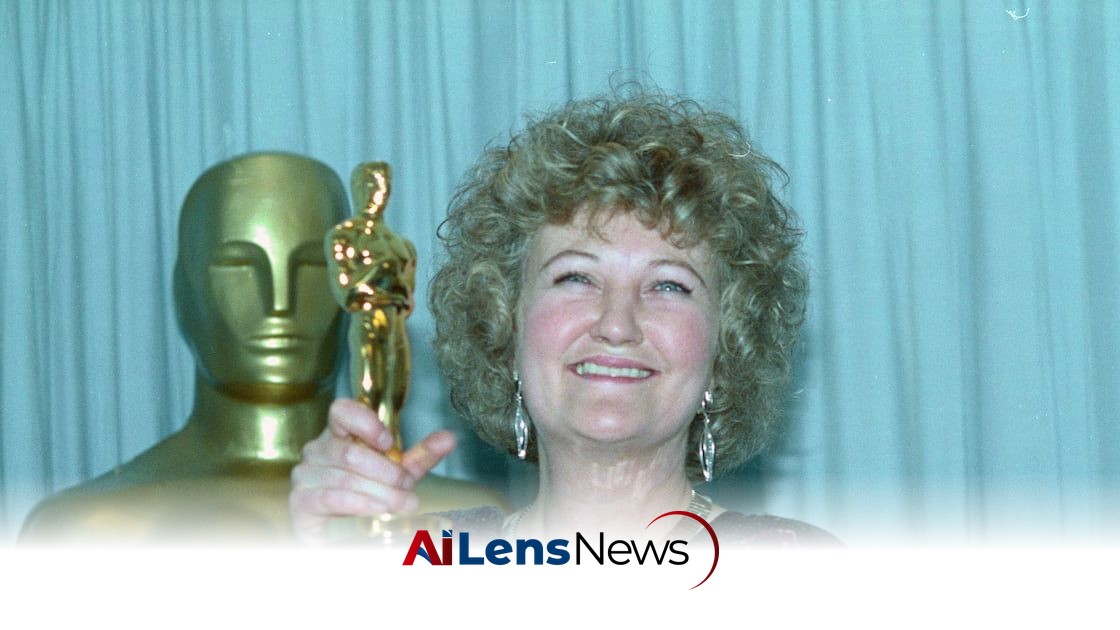


Brenda Fricker, the first Irish woman to win an Oscar, has died at 81, leaving behind a legacy of memorable performances in film and television.
London, United Kingdom Jul 17, 2026 ALN: Brenda Fricker, among the most respected Irish actors of her generation, has died at the age of 81, her agent has confirmed. Fricker's passing marks the end of an era for many who admired her work and her contributions to both Irish and international cinema. Her legacy is one that intertwines personal triumphs and struggles, reflecting the complexities of a life dedicated to the performing arts.
Fricker's career spanned several decades, during which she became a prominent figure in both film and television. She gained widespread recognition in 1990 when she became the first Irish woman to win an acting Oscar, taking home the best supporting actress prize for her poignant portrayal of Christy Brown’s mother in Jim Sheridan’s acclaimed film My Left Foot. This moment was not only a personal triumph for Fricker but also a significant milestone for Ireland, showcasing the country's growing influence in the arts and cinema during that period. The film itself, based on the life of Christy Brown, a man born with cerebral palsy who learned to write and paint with his left foot, resonated with audiences and critics alike, and Fricker's performance was instrumental in bringing the story to life.
Prior to her Oscar win, Fricker had already established herself as a familiar presence on television, particularly through her role as Megan Roach on the BBC medical soap Casualty. Her ability to connect with audiences through her performances made her a beloved figure in the industry. In addition to My Left Foot, her filmography includes key roles in productions such as Omagh, A Man of No Importance, and Sheridan’s The Field, all of which contributed to her reputation as a versatile and talented actress. Each of these roles showcased her depth and range, allowing her to inhabit characters that were both relatable and complex, further solidifying her status as a leading actress in both film and television.
Brenda Fricker was born and raised in Dublin, a city that greatly influenced her artistic sensibilities. Her mother, Bina, hailed from Kerry and was a teacher of languages at Stratford College in Rathgar, while her father, Desmond Fricker, worked in the Department of Agriculture and had a career as a journalist for The Irish Times. This background provided Fricker with a rich cultural and educational foundation, which she would later draw upon in her acting career. The literary and artistic environment of her upbringing fostered a love for storytelling that would become evident in her performances.
Before fully committing to acting, Fricker trained as a journalist, a profession that likely honed her skills in storytelling and character development. She began her theatrical journey at the Gate Theatre, which was then under the direction of the influential Micheál MacLiammóir. Her first film role came in 1964 with a version of W Somerset Maugham’s Of Human Bondage, setting the stage for a long and fruitful career in the performing arts. Following this, she appeared in popular television shows such as Coronation Street and Tolka Row, Ireland’s first soap opera, further solidifying her status as a household name. These early roles played a crucial part in her development as an actress, allowing her to refine her craft and build a loyal audience.
The recognition she received for her performance in My Left Foot propelled her career to new heights, leading to a series of roles in the United States. Fricker's talent was not limited to film; she also graced the stages of the Royal National Theatre in London and the Royal Court Theatre, showcasing her remarkable range as a performer. Her stage work was equally celebrated, with performances that highlighted her ability to convey deep emotion and connect with audiences on a profound level. This versatility made her a sought-after actress in various mediums, from theatre to film and television.
Fricker's personal life was marked by both joy and sorrow. She was married to Barry Davis from 1979 until 1988. The couple faced significant challenges, as Fricker became pregnant six times but tragically miscarried on each occasion. In reflecting on their relationship, she described Davis as “the man was amazing. Truly amazing,” highlighting the depth of their bond despite the hardships they faced together. This aspect of her life adds a layer of complexity to her public persona, illustrating the resilience she displayed not only in her career but also in her personal journey.
In her later years, Fricker opened up about her past in her memoir She Died Young: A Life in Fragments, where she revealed a painful history of sexual abuse. This candidness not only provided insight into her personal struggles but also resonated with many who have faced similar challenges, contributing to a broader conversation about trauma and healing in society. Her willingness to share her story was a brave move that highlighted the importance of speaking out and seeking support, encouraging others to confront their own experiences.
Fricker continued to work in the industry well into her later years, receiving acclaim for her performance in Tadhg O’Sullivan’s experimental film The Swallow last year. Her dedication to her craft remained evident, as she maintained a genuine love for acting. In an interview with The Irish Times in 2025, she remarked, “As an actor you’re not an artist, but you’re surrounded by arty people. That makes it a good place to be. I still just think of it as playing games.” This perspective reflects her enduring passion for her work and the joy she found in the collaborative nature of the arts. Her ability to maintain a playful attitude towards acting, even after decades in the industry, speaks to her love for the craft and the people involved in it.
Brenda Fricker's legacy is one of resilience, talent, and dedication to the craft of acting. She leaves behind a rich body of work that continues to inspire aspiring actors and entertain audiences around the world. Her contributions to film and television, particularly in representing Irish culture and narratives, will be remembered and cherished for generations to come. As news of her passing spreads, tributes from fans and colleagues alike are likely to pour in, celebrating a life well-lived and a career that broke barriers and paved the way for future generations of actors. Fricker’s influence on the industry is profound, and her work has opened doors for many Irish artists seeking to make their mark on the global stage.
In the context of contemporary cinema, Fricker's achievements serve as a reminder of the importance of representation and the power of storytelling. Her Oscar win not only highlighted her individual talent but also underscored the significance of Irish voices in global cinema. As the film industry continues to evolve, the impact of trailblazers like Brenda Fricker will undoubtedly influence the paths of many who follow in her footsteps. The narratives she brought to life on screen and stage contributed to a richer understanding of the human experience, showcasing the depth of Irish storytelling.
As we reflect on her life and career, it becomes clear that Brenda Fricker was more than just an actress; she was a symbol of perseverance and creativity, a beacon for those who dare to dream and pursue their passions against all odds. Her contributions to the arts will not only be remembered but celebrated, ensuring that her spirit lives on in the hearts of those she touched through her performances. Her journey serves as an inspiration for future generations, highlighting the power of art to transcend personal and cultural boundaries.
To learn more about the latest developments in Celebrities & Influencers, stay updated with our exclusive reports and analyses on AiLensNews.

