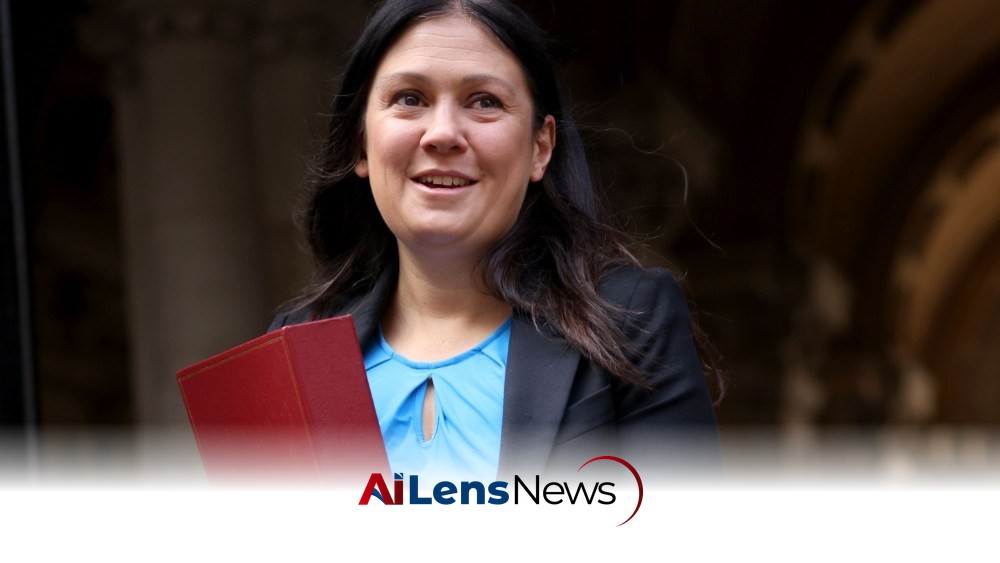


Lisa Nandy, the U.K. Culture Secretary, announces her departure from X, criticizing the platform for fostering abuse and misinformation.
New Delhi, India Jul 3, 2026 ALN: Lisa Nandy, the U.K.’s Culture Secretary, announced her departure from X, the platform formerly known as Twitter, citing concerns over abuse and misinformation. In her statement, she expressed that the platform, which was initially designed to promote free speech, has shifted to favor harmful content over constructive dialogue. This decision has garnered attention not only for its significance in the realm of social media but also for its implications on government engagement with digital platforms.
In what may be her final message on the platform, Nandy stated, “I’ve decided to leave this platform and my department will too. A platform originally designed for free speech and expression now favors abuse and misinformation over meaningful debate. It isn’t healthy for our democracy or our communities and I don’t want to support it.” This statement reflects a growing sentiment among public officials and organizations regarding the challenges posed by social media in maintaining a healthy democratic discourse.
Nandy’s resignation marks a significant moment as she becomes one of the highest-ranking officials in Prime Minister Keir Starmer’s government to exit X. The Department for Culture, Media and Sport (DCMS) will also cease its presence on the platform, following the Attorney General’s Office, which withdrew last month. The Attorney General previously criticized X for its descent into racism and misogyny. This pattern of institutional withdrawal raises concerns about the reliability and safety of social media platforms as tools for public engagement and communication.
The decision to leave X is indicative of a broader trend among government officials and institutions who are increasingly wary of the potential harms associated with social media. The DCMS has a crucial role in overseeing media and cultural policy in the U.K., and its withdrawal from X signals a significant shift in how government entities interact with digital platforms that have become central to public discourse.
Nandy has been vocal about her concerns regarding X's handling of user safety and the spread of false information. Her departure comes amid increasing regulatory scrutiny of the platform in the U.K. Media regulator Ofcom has initiated a formal investigation into X, particularly after reports surfaced about the misuse of the Grok chatbot to circulate illegal intimate images without consent. Ofcom has since requested information from X, and the case remains open. This investigation highlights the ongoing challenges that social media platforms face in ensuring user protection and combating misinformation.
The rise of misinformation on social media has been a pressing issue for governments worldwide, prompting calls for stricter regulations and accountability measures. Nandy's departure underscores the urgency of these concerns, as public officials grapple with the implications of unchecked online behavior for democracy and social cohesion.
The U.K.’s Information Commissioner’s Office and the European Commission are conducting parallel investigations into X. Ofcom has the authority to impose fines of up to £18 million ($24 million) or 10% of X's global revenue, whichever is higher, for violations. This regulatory pressure reflects a growing recognition of the need for oversight in the digital space, particularly as misinformation and harmful content continue to proliferate.
The implications of these investigations are significant. They not only highlight the potential for financial penalties against X but also set a precedent for how digital platforms may be held accountable for the content that circulates on their sites. As governments and regulatory bodies worldwide seek to create frameworks for online safety, the outcomes of these investigations could influence future legislation and policy decisions.
Nandy’s exit adds to a growing list of institutions distancing themselves from X since Elon Musk’s takeover and rebranding from Twitter. Notable organizations that have left include The Guardian, NPR, and the European Federation of Journalists, which represents over 320,000 journalists worldwide. These departures reflect a broader disillusionment with the platform's ability to foster a safe and constructive environment for discourse.
The exodus of reputable organizations raises questions about the future viability of X as a platform for news dissemination and public engagement. As institutions withdraw, the platform risks losing credibility and relevance, which could further exacerbate issues related to misinformation and user safety.
Moreover, the loss of institutional presence on X could lead to a vacuum in reliable information sources, leaving users vulnerable to misinformation and sensationalism. The implications of this trend are profound, as the role of social media in shaping public opinion and discourse continues to evolve.
Despite her departure from X, Nandy indicated that she will continue to engage with audiences on other platforms such as Facebook, Instagram, and LinkedIn. This shift highlights the importance of diversifying communication channels, especially for public figures and institutions that seek to maintain engagement with their constituents.
As the landscape of social media evolves, the implications of such high-profile exits raise questions about the future of platforms like X and their role in public discourse. The increasing scrutiny from regulators, coupled with the withdrawal of key institutions, suggests that platforms must adapt to meet the expectations of users and stakeholders. The challenge lies in balancing free expression with the need for safety and accountability, a task that has proven difficult in the rapidly changing digital environment.
In conclusion, Lisa Nandy’s resignation from X is more than just a personal decision; it reflects a broader crisis of confidence in social media platforms and their ability to foster healthy public dialogue. As government officials and institutions reevaluate their engagement with these platforms, the future of digital communication remains uncertain. The ongoing investigations and regulatory pressures will likely shape the evolution of social media, as stakeholders seek to address the complex challenges of misinformation, abuse, and user safety in an increasingly interconnected world.
To learn more about the latest developments in Celebrities & Influencers, stay updated with our exclusive reports and analyses on AiLensNews.

