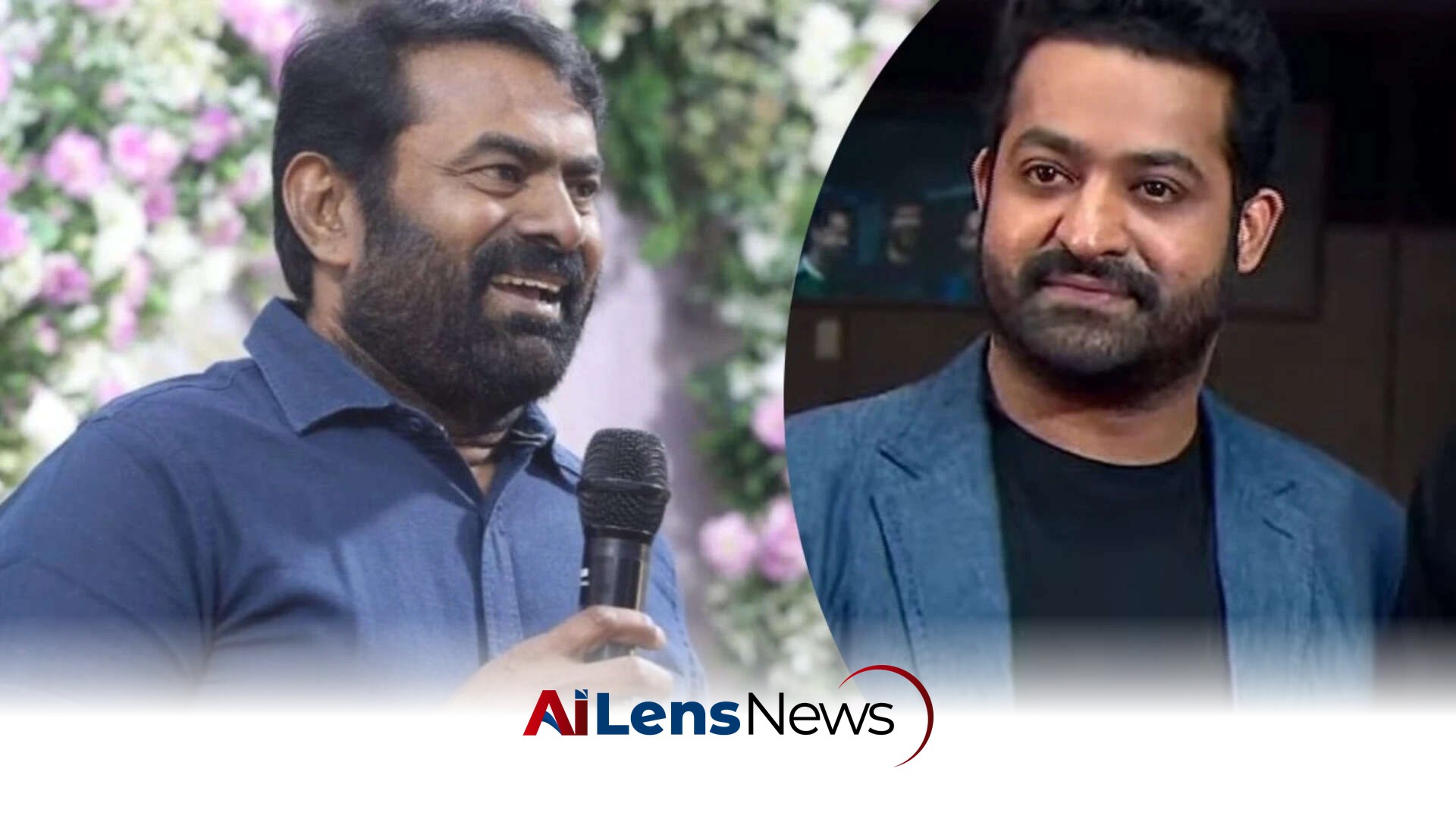


Seeman warns Jr NTR and producer Naga Vamsi about a controversial tagline in their film, asserting it disrespects Tamil identity and threatens protests.
New Delhi, India Jul 6, 2026 ALN: Naam Tamilar Katchi chief Seeman has issued a stern warning to Jr NTR and producer Naga Vamsi regarding a controversial tagline for their upcoming film. The tagline, which describes Lord Murugan as 'born in the North,' has sparked significant backlash. This controversy has brought to the forefront the ongoing discussions about cultural representation and the ways in which religious figures are portrayed in popular media, particularly within the context of Tamil culture.
Seeman condemned this description, asserting that it disrespects Tamil pride and identity. The portrayal of deities and religious figures in cinema is a sensitive subject in Tamil Nadu, where cultural pride runs deep. Lord Murugan, in particular, holds a significant place in the hearts of many Tamils, being not only a revered deity but also a symbol of Tamil identity itself. The tagline implying a Northern origin challenges the traditional narratives that are integral to Tamil culture and spirituality.
In a passionate statement, Seeman urged the filmmakers to immediately drop the narrative. He warned that failure to do so would lead to widespread protests across Tamil Nadu, as well as a refusal to screen the film in theaters. His comments resonate with a larger movement among various groups and individuals who feel that their cultural narratives are often misrepresented or overlooked in mainstream cinema. Seeman's warning is indicative of a growing trend where audiences are becoming more vocal about their cultural sensitivities, especially when it comes to representations of religious and historical figures.
Seeman's call to action reflects a broader sentiment among Tamil audiences who feel that their cultural identity is being undermined. The Tamil film industry has often been at the crossroads of tradition and modernity, with filmmakers navigating the complexities of storytelling that appeals to diverse audiences while remaining respectful of cultural sentiments. The backlash is not just about a tagline; it taps into deeper issues of identity, representation, and the historical context of Tamil culture.
Furthermore, the controversy surrounding the film underscores the delicate balance filmmakers must maintain when addressing cultural and religious themes. In recent years, there have been several instances in Tamil cinema where filmmakers have faced backlash for perceived insensitivity towards cultural narratives. This incident serves as a reminder that the power of storytelling carries with it a responsibility to honor the beliefs and sentiments of the audience.
The portrayal of Lord Murugan is particularly significant in Tamil culture, as he is often associated with various aspects of Tamil identity, including language, arts, and folklore. His worship is deeply embedded in the cultural fabric of Tamil Nadu, and he is celebrated in numerous festivals, literature, and traditional practices. Thus, any alteration or misrepresentation of his identity can evoke strong emotional responses from the community.
As the situation develops, it remains to be seen how the producers will respond to the mounting pressure from Seeman and the Tamil community. The film industry is known for its ability to adapt and respond to public sentiment, and it is possible that the producers may consider altering the tagline or addressing the concerns raised by Seeman to mitigate potential backlash. However, such changes could also lead to discussions about artistic freedom and the implications of altering creative content in response to public opinion.
The implications of this controversy extend beyond just the film in question. It highlights the ongoing dialogue about cultural pride and identity in Tamil Nadu, particularly in an era where regional identities are being increasingly asserted in the face of national narratives. The response from the Tamil community could set a precedent for how cultural narratives are treated in the future, not just in Tamil cinema but across the n film industry as a whole.
Moreover, the incident raises questions about the responsibilities of filmmakers in representing cultural and religious figures. While artistic expression is a fundamental aspect of cinema, it must be balanced with sensitivity towards the beliefs and values of the audience. This balance is increasingly important in a multicultural society like , where diverse religious and cultural identities coexist.
In conclusion, the ongoing debate over the film's tagline serves as a reminder of the significant impact that cultural narratives can have on public sentiment. As audiences become more engaged and vocal about their cultural identities, filmmakers will need to navigate these sensitive issues with care. The challenge lies in delivering a compelling cinematic experience while being mindful of the cultural and religious sentiments of the audience. The outcome of this controversy could very well influence the dynamics of the Tamil film industry and its relationship with its audience in the years to come.
As the film's release date approaches, all eyes will be on the producers and their next steps. Whether they choose to modify the tagline or stand firm in their creative choices, the ramifications of their decision will likely resonate throughout the industry and beyond. This incident may also inspire other filmmakers to consider the cultural implications of their work more thoughtfully, fostering a more inclusive and respectful cinematic landscape.
To learn more about the latest developments in Movies, stay updated with our exclusive reports and analyses on AiLensNews.

