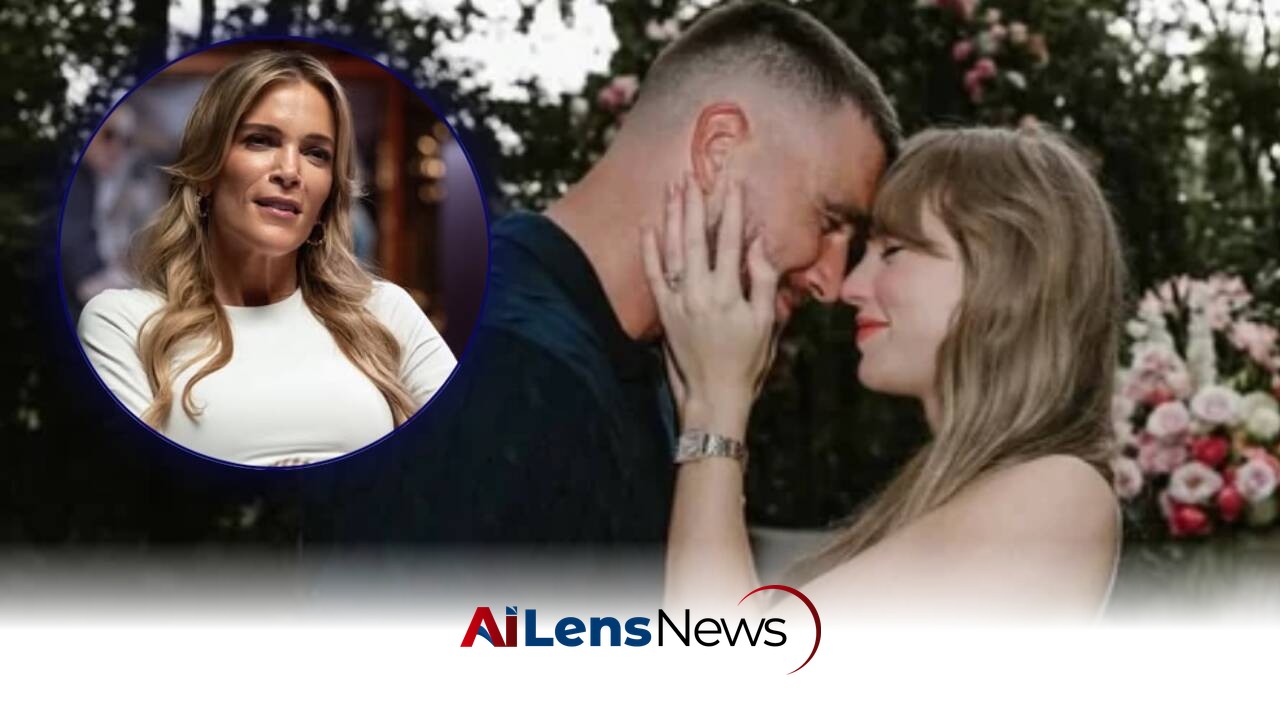


Political commentator Megyn Kelly has criticized Taylor Swift's choice of venue for her wedding to Travis Kelce, calling it 'gauche' and likening Swift to Meghan Markle.
New Delhi, India Jul 5, 2026 ALN: Taylor Swift and Travis Kelce's wedding on July 3, 2026, at Madison Square Garden has ignited a wave of discussion among fans and commentators alike. The choice of such a prominent venue has drawn mixed reactions, particularly from political commentator Megyn Kelly. The wedding is not just a personal milestone for the couple; it represents the intersection of celebrity culture, public fascination, and societal values.
Kelly expressed her disapproval of the venue, labeling it as 'on the nose' and 'gauche.' Her comments reflect a broader critique of celebrity culture and the public's fascination with high-profile events. In her analysis, Kelly drew parallels between Swift and Meghan Markle, suggesting that both figures share a penchant for seeking the spotlight. This comparison is significant as it highlights the scrutiny that public figures face, especially women, in terms of their choices and the implications of those choices on their public personas.
Celebrity weddings have long been a topic of interest and debate. They often serve as a reflection of societal norms and values, and when high-profile figures like Swift and Kelce choose to marry in a venue as iconic as Madison Square Garden, it raises questions about the appropriateness of such extravagant celebrations. Critics argue that these events often overshadow more pressing societal issues, while supporters maintain that they are a celebration of love and creativity. The juxtaposition of personal milestones against the backdrop of societal challenges is a recurring theme in discussions about celebrity culture.
The wedding ceremony was officiated by comedian Adam Sandler, adding a touch of humor to the otherwise glamorous affair. Sandler's involvement is an interesting choice, as he is known for his comedic style, which contrasts with the often serious nature of celebrity weddings. This choice may reflect Swift's desire to keep the event light-hearted and fun, aligning with her public persona as someone who values authenticity and joy in her life and work.
The event attracted a host of celebrity guests, including notable figures like Selena Gomez and Ed Sheeran, further emphasizing the star-studded nature of the occasion. The presence of such high-profile attendees not only underscores the couple's status in the industry but also serves to amplify the media coverage surrounding the event. Celebrity weddings often become a spectacle, drawing attention from fans and media alike, and this wedding is no exception.
As the wedding date approaches, it remains to be seen how public sentiment will evolve. Will the criticisms from figures like Kelly impact the way fans perceive Swift and her choices? Public figures often find themselves at the mercy of public opinion, and the backlash or support they receive can significantly influence their careers and personal lives. In Swift's case, she has cultivated a dedicated fan base that often rallies in her defense, suggesting that while criticisms may arise, they may not have the lasting impact some commentators anticipate.
The discourse surrounding Taylor Swift's wedding highlights the intersection of celebrity culture and public opinion. As fans and commentators weigh in, the event promises to be a focal point of discussion in the world. This conversation is not isolated to Swift and Kelce; it reflects broader societal trends regarding celebrity worship, the role of public figures in shaping cultural narratives, and the expectations placed upon them.
Moreover, the choice of Madison Square Garden as a venue is emblematic of the larger conversation about the commercialization of personal milestones. Weddings, once considered private affairs, have increasingly become public spectacles, often scrutinized under the lens of social media and celebrity culture. This shift raises important questions about privacy, authenticity, and the commercialization of love.
In the context of celebrity weddings, it is essential to consider the implications of such high-profile events on societal norms. While some may view these celebrations as mere , others argue that they set unrealistic standards for romance and relationships. The lavishness of celebrity weddings can create a disconnect between the lives of average individuals and those in the public eye, leading to feelings of inadequacy or envy among fans.
Furthermore, the media's role in amplifying these events cannot be understated. Coverage of celebrity weddings often prioritizes the spectacle over the substance, focusing on the glitz and glamour rather than the personal significance of the union. This phenomenon raises ethical questions about the responsibilities of media outlets in shaping public perceptions and narratives surrounding celebrity culture.
As the wedding unfolds, it will be interesting to observe how various stakeholders respond. Fans may express their excitement or discontent through social media platforms, while commentators like Kelly may continue to voice their opinions in the public sphere. The interplay between fan engagement and media commentary will likely shape the narrative surrounding the wedding, influencing how it is remembered in the long term.
In conclusion, the upcoming wedding of Taylor Swift and Travis Kelce at Madison Square Garden serves as a microcosm of the broader societal dynamics at play within celebrity culture. The event is not merely a celebration of love but a reflection of the complexities and contradictions inherent in the public's relationship with fame, privacy, and societal expectations. As discussions continue to evolve, the implications of this wedding will resonate beyond the event itself, contributing to ongoing dialogues about celebrity, culture, and the nature of public life.
To further understand the significance of this wedding, it is essential to consider the broader context of celebrity weddings in contemporary society. Over the last few decades, the landscape of celebrity culture has transformed dramatically, fueled by the rise of social media and the 24-hour news cycle. Unlike previous generations, where celebrity weddings were often kept private or given limited media coverage, today's events are meticulously documented and broadcasted to millions of followers worldwide.
This shift has led to a new era of celebrity weddings, characterized by lavish spending, elaborate themes, and extensive guest lists. The public's insatiable appetite for details surrounding these events often leads to a commodification of love, where the wedding becomes less about the couple's personal vows and more about the spectacle of the celebration itself. This phenomenon raises ethical questions about the nature of love and commitment in the age of social media, where public perception can some overshadow the intimate aspects of a relationship.
Additionally, the implications of such high-profile weddings extend beyond the couple themselves. They can influence trends in fashion, beauty, and lifestyle, with fans often seeking to emulate their favorite celebrities. As a result, wedding planners, designers, and brands closely monitor these events to capitalize on the trends set by celebrity couples. This creates a cyclical relationship between celebrity culture and consumerism, where each wedding can spark new trends and demands within the market.
Moreover, the scrutiny faced by celebrity couples often leads to increased pressure to conform to societal expectations regarding marriage, relationships, and public behavior. The public's fascination with celebrities can create unrealistic standards that many couples feel compelled to meet, leading to potential stress and anxiety. As a result, discussions around mental health and the pressures of fame have become increasingly relevant, as public figures navigate their personal lives under the watchful eye of the media.
In summary, the wedding of Taylor Swift and Travis Kelce is not just a personal celebration, but a reflection of the complexities of modern celebrity culture. It encapsulates the intersection of love, public scrutiny, and societal expectations, raising important questions about authenticity, privacy, and the commercialization of personal milestones. As the public continues to engage with this event, it will undoubtedly shape the ongoing conversation surrounding celebrity culture and its implications for society at large.
To learn more about the latest developments in Celebrities & Influencers, stay updated with our exclusive reports and analyses on AiLensNews.

