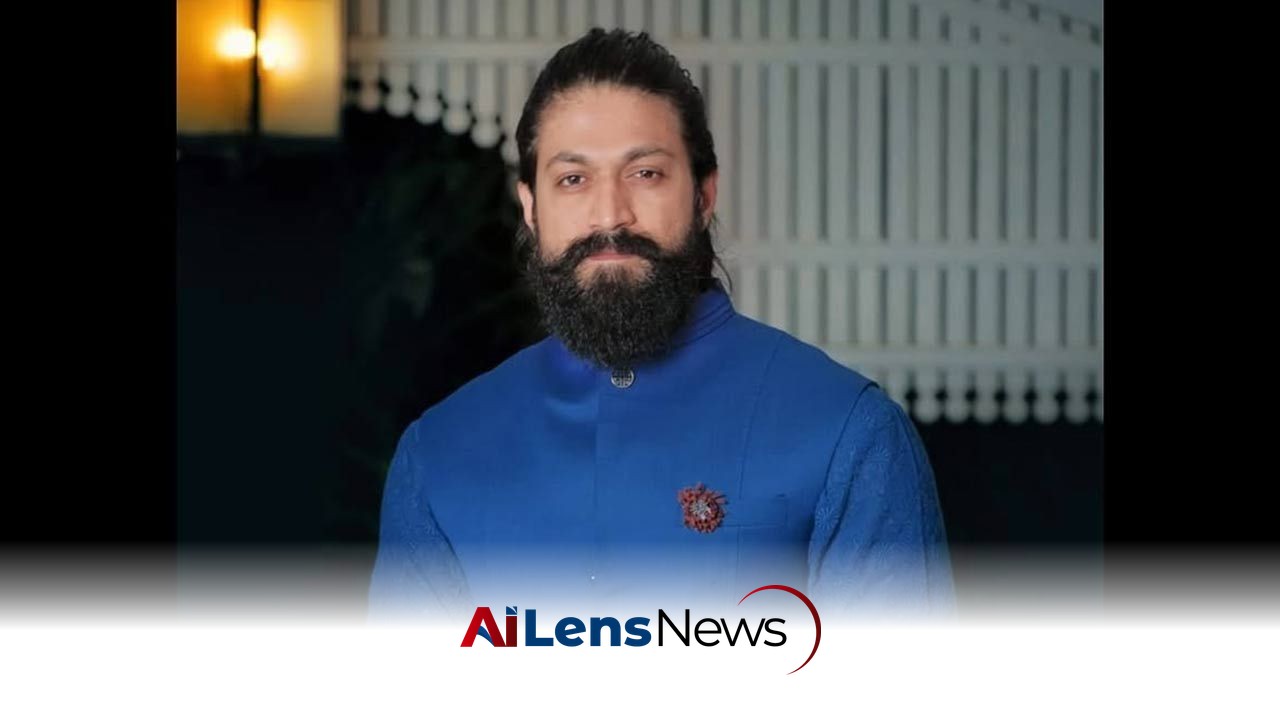


At San Diego Comic-Con, Yash emphasized that the 'right intent' drove the ambitious adaptation of Ramayana, set for a two-part release starting Diwali 2026.
New Delhi, India Jul 24, 2026 ALN: Mumbai: Star Yash, who is representing Ramayana at San Diego Comic-Con, has spoken about the effort that went into bringing the epic to the big screen and said it was the “right intent” that was the driving force behind the film.
“I think intent is the most important thing. You have the right intent and right team. When we have started with the right intent, everything will fall in place,” Yash said in a statement. This sentiment underscores a broader philosophy in filmmaking, particularly in adaptations of culturally significant narratives. The intention behind a film can significantly influence its authenticity and reception, especially when dealing with material that holds deep cultural and spiritual significance.
In the context of the Ramayana, a 24,000-verse epic poem that has been a cornerstone of Indian culture and spirituality for centuries, Yash's emphasis on intent is particularly relevant. The Ramayana is not merely a story; it is a reflection of dharma (duty/righteousness), the complexities of human emotions, and the moral dilemmas faced by its characters. As such, any adaptation requires a careful approach to ensure that these themes are not only preserved but also resonate with contemporary audiences. This is a delicate balance that filmmakers must navigate, as they seek to honor the source material while also making it accessible and engaging for modern viewers.
Yash added: “I think this story itself has got so much of aspects where we have started with the right intent and we started figuring out so many aspects of life while making this film. And technically, yes, it was demanding.” The complexity of the Ramayana as a narrative is profound, encompassing themes of duty, righteousness, and the moral dilemmas faced by its characters. This epic not only serves as a religious text for many but also as a source of moral guidance and philosophical inquiry. Yash’s acknowledgment of the story's depth reflects the filmmakers' commitment to honoring these themes while also presenting them in a manner that resonates with contemporary audiences.
“Like make-up to looks, there were so many challenges. But I think eventually, when you are trying to tell a story, that’s why we all are here. We love stories, and we give it all to bring that story most authentically.” This statement highlights the intricate work that goes into the production of a film, particularly one that seeks to adapt a story as revered as the Ramayana. The challenges of translating ancient texts into modern cinema are manifold, including maintaining fidelity to the source material while also appealing to a diverse audience. The use of special effects, set designs, and authentic costumes are crucial in creating a believable world that honors the original narrative.
Yash’s confidence in the film’s execution is indicative of the collaborative effort involved in such large-scale productions. The film is being helmed by Nitesh Tiwari, a director known for his ability to blend emotional storytelling with commercial success. Tiwari’s previous works, such as Dangal and Chhichhore, have demonstrated a knack for engaging audiences while tackling complex themes, making him an apt choice for this ambitious project. His ability to extract powerful performances from actors while navigating intricate storylines will be essential in bringing the Ramayana to life on screen.
Yash will be seen as demon king Ravana in Nitesh Tiwari’s upcoming two-part epic Ramayana. The ambitious adaptation features Ranbir Kapoor as Lord Rama, Sai Pallavi as Sita, and Rakul Preet Singh as Surpanakha. The casting choices reflect a strategic approach to attract a wide audience, as each actor carries a significant fan base and brings their unique interpretation to their respective roles. The portrayal of Ravana, a character often viewed through a dual lens of villainy and complexity, provides Yash with an opportunity to explore the nuances of a character who, despite being the antagonist, is revered in some interpretations of the epic.
The film is planned as a two-part release, with the first installment arriving during Diwali 2026, followed by the second part scheduled for Diwali 2027. This staggered release strategy not only builds anticipation but also allows for a more in-depth exploration of the narrative, which is rich in subplots and character development. The choice of Diwali, a festival that celebrates the victory of light over darkness, aligns perfectly with the themes of the Ramayana, making it a culturally significant time for the film’s release. The festival is deeply rooted in Indian tradition, and its association with the Ramayana further enhances the film's thematic relevance.
The grand trailer launch of Ramayana took place in Delhi on July 18. The star-studded event was attended by Ranbir Kapoor, Sai Pallavi, Ravi Dubey, director Nitesh Tiwari, producer Namit Malhotra, Kunal Kapoor, Rakul Preet Singh, Vivek Oberoi, Arun Govil, Ajinkya Deo, Shobhna, sitar maestro Rishab Rikhiram Sharma, Swami Ramdev, Ashwiny Iyer Tiwari, Karan Johar, Apoorva Mehta, among others. The presence of such luminaries at the launch signifies the importance of this project within the Indian film industry and the cultural landscape. It also highlights the collaborative nature of filmmaking, where various talents come together to create a singular vision. The event not only showcased the film's visual appeal but also served as a platform for discussions about its cultural implications and the responsibilities filmmakers bear when adapting such significant narratives.
In addition to his role in Ramayana, Yash will be seen in Toxic: A Fairy Tale for Grown-Ups, which is set to release in theatres on August 26. This upcoming project indicates Yash's versatility as an actor, showcasing his ability to traverse genres and themes. While Ramayana represents a significant cultural epic, Toxic seems to delve into more contemporary narratives, perhaps reflecting modern societal issues through a fantastical lens. This duality in Yash’s filmography may appeal to a broad spectrum of audiences, further solidifying his position as a leading figure in Indian cinema. The ability to switch between grand epics and modern tales demonstrates an actor's range and adaptability, qualities that are increasingly valued in the competitive film industry.
In conclusion, Yash's reflections on the making of Ramayana reveal not just the challenges of adapting a monumental text but also the dedication and intent that underpin such a project. The film's release strategy, star-studded cast, and the cultural significance of its narrative position it as a landmark production in Indian cinema. As audiences await its debut, the implications of this adaptation extend beyond entertainment, inviting discussions on cultural heritage, storytelling, and the evolving nature of epic narratives in modern media. The Ramayana, with its rich tapestry of characters and moral lessons, serves as a reminder of the enduring power of storytelling and its ability to shape cultural identities across generations.
To learn more about the latest developments in Events & Award Shows, stay updated with our exclusive reports and analyses on AiLensNews.

