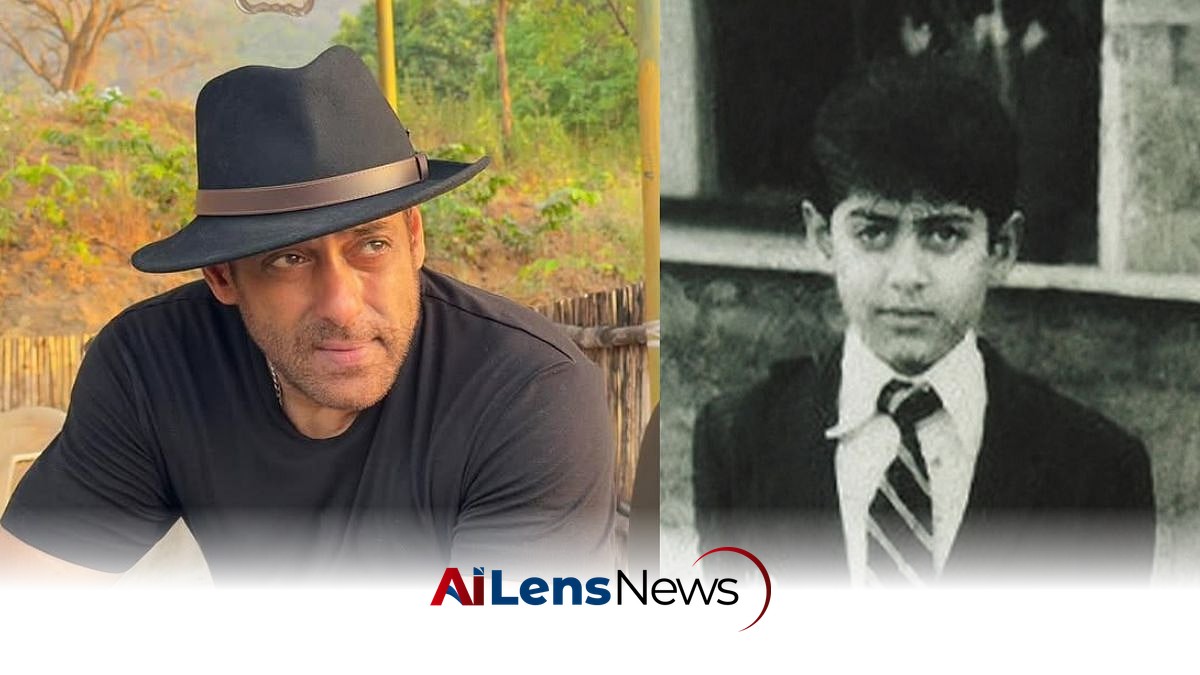


Salman Khan addresses the NEET paper leak protests, praising students for their courage and urging political neutrality in the movement.
New Delhi, India Jul 23, 2026 ALN: Salman Khan, a prominent figure in the Indian film industry, has recently voiced his support for the ongoing protests surrounding the National Eligibility cum Entrance Test (NEET) amid allegations of a paper leak. This incident has sparked significant unrest among students and their families, who are advocating for greater transparency and integrity within the educational system. The NEET is a crucial examination for aspiring medical students in India, determining their eligibility for admission to various medical colleges across the country. As such, any allegations of malpractice can have far-reaching implications for students' futures.
The NEET examination has been a pivotal part of the Indian educational landscape since its inception, designed to streamline the admission process for medical colleges and ensure that students are assessed fairly. However, the integrity of this examination has come under scrutiny due to reports of irregularities, including the recent allegations of a paper leak. Such incidents not only undermine the credibility of the examination but also erode public trust in the educational system as a whole. Students, who invest years of hard work and dedication in preparation for the NEET, feel particularly aggrieved when faced with the possibility that their chances for admission may be compromised by unethical practices.
In a heartfelt social media post, Salman shared a childhood photograph of himself in a school uniform, reflecting on his own educational journey. His message resonated with many, as he expressed sadness over the violent turn that the protests have taken, emphasizing the peaceful intentions of the demonstrators. He stated, "It was such a peaceful movement, feel so sad that it had to take a violent turn. My heart goes out to the students and their families who were hurt." This statement underscores the emotional toll that the protests have taken on students and their supporters, many of whom are simply seeking justice and accountability.
Salman referred to the alleged NEET paper leak as a "very serious issue," highlighting the gravity of the situation. His acknowledgment of the students' efforts to unite for a better educational system reflects a broader concern among many in society regarding the integrity of examinations and the educational framework in India. He expressed his gratitude for the solidarity displayed by students and their families, stating, "I am glad to know n see that the kids of our country have come together for a better educational system, and their parents supported them." This sentiment captures the essence of the protests, which are fueled by a collective desire for fairness and reform in the educational landscape.
In his message, Salman praised the students for their courage and determination, describing them as dedicated and sincere in their pursuit of education. He remarked, "I truly appreciate the stand they have taken, showing dedication, sincerity, and keenness to study hard n make their future and a greater, educated India." This recognition from a high-profile celebrity can serve to amplify the voices of the protesters, drawing more attention to their cause and potentially influencing public opinion and policy decisions.
However, amidst his support for the students, Salman also raised concerns about the political dimensions of the protests. He cautioned against allowing the movement to be co-opted by political agendas, stating, "This issue is between the students and the educational system, it should not be hijacked politically, the credit should only go to the students of our country." This perspective emphasizes the need for the protests to remain focused on their core objectives—reform and accountability—rather than becoming entangled in the complexities of political maneuvering. He expressed hope that the government would recognize the importance of these protests and provide the necessary support to enhance the educational system, suggesting that the situation could evolve into a "win-win" for students and the government alike.
Salman’s remarks come at a time when education has emerged as a critical topic of discussion in India. With a rapidly growing population and an increasing number of students vying for limited spots in prestigious institutions, the pressure on the educational system is immense. The NEET examination, in particular, has been under scrutiny for its rigorous standards and the high stakes involved. The actor's call for education to become a priority resonates with many who believe that a robust educational framework is essential for the country’s development and global standing.
In recent years, the Indian government has made efforts to reform the educational sector, focusing on increasing access to quality education and enhancing the standards of existing institutions. However, the implementation of these reforms has often been met with challenges, including bureaucratic hurdles, funding constraints, and resistance to change from entrenched interests. The NEET protests highlight the urgent need for a comprehensive review of the examination process and the overall educational system, as students demand a more transparent and equitable framework.
In his concluding remarks, Salman expressed pride in witnessing a shift in focus towards education, stating, "Education should be the next trend and fashion, and should get trendier n more fashionable yr by yr, itna k bahar se log come to India to study and India becomes an educational hub." This vision of India as a global educational destination reflects aspirations for the country to not only improve its domestic educational standards but also to attract international students. Such a transformation would require substantial investment in infrastructure, faculty, and resources, as well as a commitment to maintaining academic integrity.
Following Salman’s post, social media was abuzz with reactions from fans and followers. Many expressed their admiration for his stance on the issue, with comments flooding in that praised him for his courage to speak out. Terms like "Bhai with a spine" became popular among supporters, highlighting the respect and affection that fans have for Salman as a public figure willing to engage in social issues. The use of heart and fire emojis in the comments section signifies the passionate response from the community, indicating a shared sentiment towards the need for change in the educational system.
The protests surrounding the NEET paper leak are emblematic of larger systemic issues within India’s education sector, including allegations of corruption, lack of transparency, and the immense pressure placed on students. As the situation continues to unfold, the implications of these protests may resonate beyond the immediate context, potentially influencing policy changes and reform efforts aimed at creating a more equitable and effective educational environment. The involvement of influential figures like Salman Khan can serve as a catalyst for broader discussions about the future of education in India and the importance of ensuring that every student has access to a fair and just examination process.
As the protests gain momentum, it is essential for stakeholders—including government officials, educational institutions, and civil society—to engage in constructive dialogue aimed at resolving the issues at hand. The voices of students must be heard, and their demands for accountability and reform should be taken seriously. Only through a collaborative effort can the educational system in India be transformed to better serve its students and ensure that future generations have the opportunity to succeed based on merit rather than privilege.
In conclusion, Salman Khan's support for the NEET protesters highlights the intersection of celebrity influence and social activism in contemporary India. As public figures lend their voices to important causes, they have the potential to inspire change and mobilize communities around shared goals. The ongoing NEET protests serve as a reminder of the critical importance of integrity in education and the collective responsibility to ensure that all students have a fair chance to pursue their dreams.
To learn more about the latest developments in Events & Award Shows, stay updated with our exclusive reports and analyses on AiLensNews.

