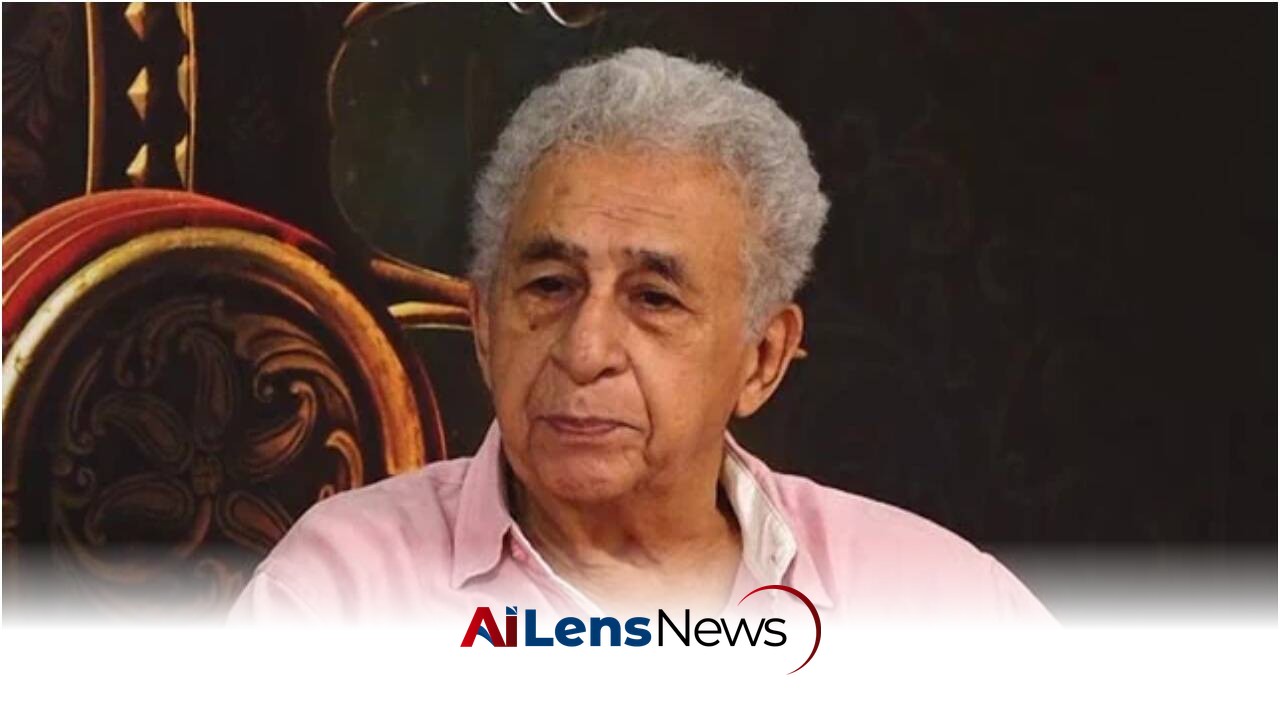


Naseeruddin Shah speaks out against the violence during the Chalo Sansad march, expressing support for students protesting the NEET paper leak.
New Delhi, India Jul 22, 2026 ALN: Naseeruddin Shah, a prominent figure in n cinema, has recently stepped into the spotlight to address the violence that erupted during the Chalo Sansad march at Jantar Mantar, a site known for its historical significance in n protests and demonstrations. The actor, renowned for his powerful performances in films and theatre, condemned the attackers during the protests, labeling them as "gundon," a term that translates to "goons" in English. His remarks come in solidarity with the students who have been vocal against the NEET paper leak, a contentious issue that has sparked widespread unrest across various states in .
The Jantar Mantar protests have become a focal point for discussions surrounding the National Eligibility cum Entrance Test (NEET), which is a standardized examination for students aspiring to enter medical colleges in . The NEET examination has been a subject of debate since its inception, primarily due to its high-stakes nature and the significant pressure it places on students. The recent allegations of a paper leak have intensified the frustrations of students and parents alike, leading to an outpouring of anger and demands for accountability from the authorities. Shah's decision to publicly support the protesters underscores the intersection of celebrity influence and social activism, particularly in matters concerning educational integrity and fairness.
The violence at Jantar Mantar has not only raised concerns about public safety but has also highlighted the broader societal tensions that exist regarding access to education and the perceived inequities within the examination system. The NEET examination process has faced criticism for its high-stakes nature, which many argue disproportionately affects students from marginalized backgrounds who may lack the resources to adequately prepare for such competitive assessments. This has led to calls for reforms that would make the educational system more inclusive and equitable.
Shah's comments come at a time when protests are not limited to the capital city of New Delhi but have also spread to other metropolitan areas, including Mumbai. In response to the escalating protests, local authorities have implemented restrictions on public gatherings, citing concerns over public order and safety. This has led to a complex situation where the right to protest is being weighed against the need for maintaining peace and security in urban areas. The balance between these two competing interests is a delicate one, often leading to tensions between the state and citizens.
The viral nature of Shah's remarks was further complicated by a misidentification incident wherein a video circulating on social media mistakenly portrayed him as being present at the Jantar Mantar protests. It was later clarified that the footage in question was actually from a screening event in Mumbai, raising important questions about the role of media in shaping public perception. This incident highlights how easily misinformation can spread, especially in the age of social media, and the potential consequences it can have on public figures and social movements. The rapid dissemination of information, both accurate and inaccurate, plays a significant role in shaping public discourse and can either bolster or undermine movements depending on how narratives are framed.
As the protests continue to gain momentum, the demands from students and activists have become increasingly clear: they seek accountability and transparency in the NEET examination process. The allegations of a paper leak have not only raised concerns about the integrity of the examination but have also fueled a broader conversation about educational reforms in . Activists argue that the current system is fraught with issues that need urgent addressing, including the lack of access to quality education, the pressures of competitive exams, and the need for systemic changes to ensure fairness and equity. This dialogue has brought to light the struggles faced by students from various backgrounds, emphasizing the need for a more just educational framework.
The implications of these protests extend beyond the immediate concerns regarding the NEET examination. They reflect a growing discontent among the youth in regarding various socio-economic issues, including unemployment, educational disparities, and the perceived inadequacies of the current political leadership to address these challenges. The involvement of public figures like Naseeruddin Shah can serve to amplify these voices, drawing attention to the urgent need for reform and change. Shah's stature as a respected artist lends weight to the protesters' demands, potentially influencing public opinion and policy discussions.
As the situation develops, the responses from both authorities and the public will play a crucial role in shaping the future of these protests. Policymakers will need to navigate the delicate balance between ensuring public safety and respecting the rights of citizens to assemble and voice their concerns. The outcome of these protests may set a precedent for how similar issues are handled in the future, particularly in relation to educational policies and the rights of students. The government’s actions in response to the protests could either quell the unrest or exacerbate it, depending on how they address the underlying grievances.
In conclusion, Naseeruddin Shah's condemnation of violence at the Jantar Mantar protests serves as a reminder of the significant role that public figures can play in social movements. His solidarity with the students protesting against the NEET paper leak echoes a larger call for accountability and reform within 's educational system. As the protests continue, the ongoing dialogue surrounding these issues will be critical in shaping the future landscape of education and social justice in the country. The resolution of these protests may not only impact the NEET examination process but could also lead to broader changes in educational policy and access to quality education for all students, particularly those from underprivileged backgrounds.
To learn more about the latest developments in Events & Award Shows, stay updated with our exclusive reports and analyses on AiLensNews.

