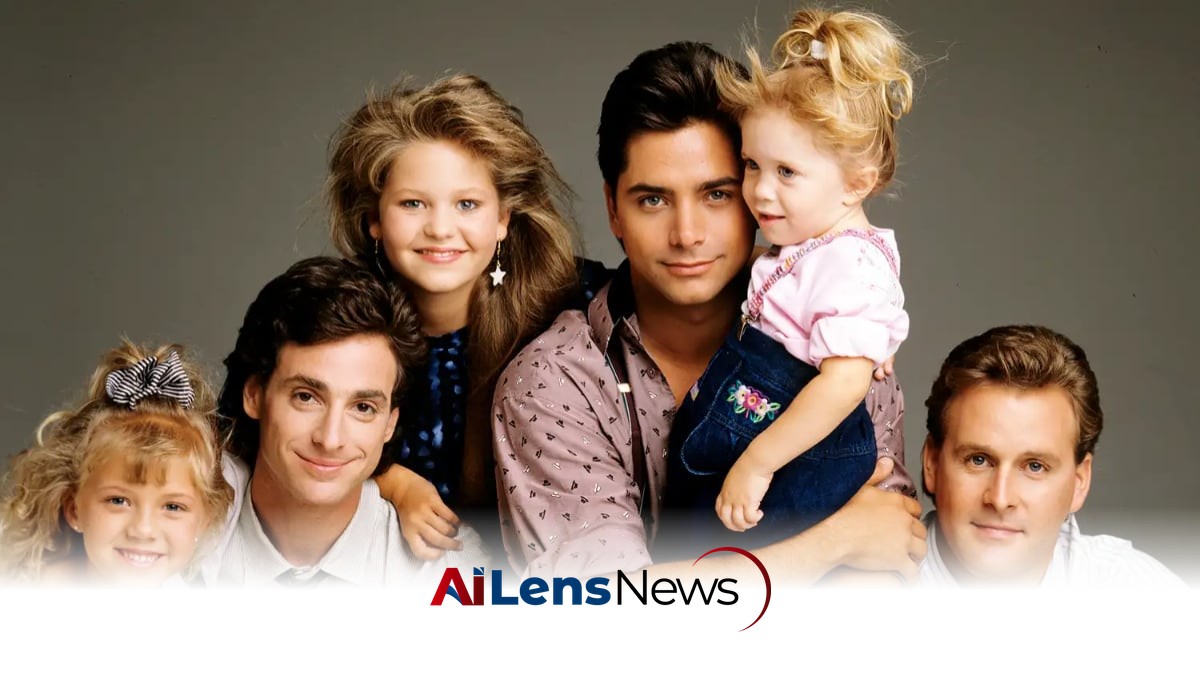


The cast of Full House shares insights on how Mary-Kate and Ashley Olsen made scene decisions during their time on the show.
Islamabad, Pakistan Jul 11, 2026 ALN: The showrunners of Full House occasionally faced double the trouble because Mary-Kate and Ashley Olsen shared the role of Michelle Tanner. On their podcast, How Rude, Tanneritos!, Andrea Barber and Jodie Sweetin candidly discussed how it was chosen which of the fraternal twins would star as the youngest Tanner daughter.
“When they were little, it was the ice cream scenes that they would always squabble over,” Sweetin reminisced, adding, “because they both wanted to do it, so they’d have to trade off, like, ‘You can do it this time, and you can do it next time.’” This playful rivalry between the twins not only highlights their sibling bond but also reflects the unique challenges of casting child actors in a television series. The use of twins in a single role is a common practice in the entertainment industry, particularly for young children who may not be able to work the long hours required on set. By splitting the role between Mary-Kate and Ashley, the production team was able to ensure that the character of Michelle Tanner was consistently portrayed while also adhering to labor laws that limit the working hours of child actors.
Certain scenes proved a little more difficult, such as the 1993 Full House family vacation at Disney World, which spanned two episodes. As part of the plot, the two youngest Tanner sisters, Stephanie and Michelle, dressed up as Disney princesses and were featured on floats in the theme park’s renowned parade. This particular storyline not only showcased the charm of the series but also served as a nostalgic nod to the magic of childhood and family vacations, a theme that resonated deeply with the show's audience. The depiction of family bonding during vacations is a relatable experience for many viewers, which likely contributed to the show's lasting appeal.
“I’m sure Adria [Later] made it fair,” Barber stated, referring to the on-set teacher who was often called “the Michelle wrangler.” “I’m sure there was something equivalent that she offered the other twin who didn’t ride on the float. I don’t know how they decided who got to go… maybe whoever was behaving well that day?” This anecdote offers a glimpse into the behind-the-scenes dynamics of child actors on set, emphasizing the importance of fairness and encouragement in a competitive environment. Adria Later’s role as the on-set teacher was crucial, not just for educational purposes but also for managing the emotional and psychological well-being of the young actors, particularly in an environment where performance expectations were high.
Sweetin, who got to dress as Cinderella for the scene alongside Michelle as Snow White, noted that it wasn’t that simple since the Olsen twins were just 6 years old at the time. “We had to have costumes created and things like that,” she explained. “So, you know, a decision had to be made somewhat in advance.” The logistics of costume design and the planning required for such elaborate scenes underscore the complexity involved in producing a family sitcom, particularly one that aimed to incorporate elements of fantasy and whimsy, such as a Disney parade. This attention to detail not only enhanced the visual appeal of the show but also enriched the storytelling, allowing for memorable moments that would linger in the minds of viewers long after the episodes aired.
Because of the massive size of the cast—which included the four Tanners, Danny’s girlfriend Vicky (Gail Edwards), D.J.’s boyfriend Steve (Scott Weinger), best friend Kimmy Gibbler (Barber), Joey (Dave Coulier), Uncle Jesse (John Stamos), Aunt Becky (Lori Loughlin), and their twins—the parade required several Disney-themed floats. This large ensemble cast not only contributed to the rich tapestry of the show but also created a sense of community and camaraderie among the actors. The collaborative effort involved in coordinating such scenes reflects the dedication of the cast and crew to deliver memorable moments that would resonate with viewers. The interplay between characters, enriched by their diverse personalities and relationships, added layers to the narrative, making it relatable to families across America.
More than thirty years later, the actresses’ recollections of who was where during filming were a little fuzzy. Barber recalled being on the Minnie Mouse float dressed like Carmen Miranda, a nod to The Three Caballeros, the 1944 live-action animated movie starring Aurora Miranda. This reference not only highlights the cultural significance of Disney in American entertainment but also illustrates the show's playful integration of pop culture references. Meanwhile, Sweetin couldn’t quite remember which twin was on the Disney princess float with her. “I wanna say it was Ashley,” she pondered. “No, maybe it was Mary-Kate. I’d have to go back and see.” (According to behind-the-scenes footage, it was Mary-Kate.) This uncertainty speaks to the passage of time and the way memories can blur, especially for those involved in a long-running series, further emphasizing the camaraderie that developed during their time together.
The only time Mary-Kate and Ashley appeared on screen together as separate characters was in the season 5 episode “The Devil Made Me Do It.” In the episode, there was no mistaking the two, as Ashley played “Bad Michelle” debating her punishment with Mary-Kate’s “Good Michelle” after the 5-year-old was reprimanded for messing with Uncle Jesse’s musical instruments. This episode is significant as it showcases the creative ways the showrunners utilized the unique situation of having twins to explore different facets of a single character, allowing for a playful narrative that engaged the audience. The portrayal of the two contrasting personalities not only entertained viewers but also provided a humorous take on childhood dilemmas, reinforcing the show's family-friendly ethos. This episode stands out as a testament to the innovative storytelling that characterized Full House and contributed to its legacy in television history.
The legacy of Full House continues to resonate with audiences today, as evidenced by the revival series, Fuller House, which brought back many of the original cast members and introduced a new generation to the Tanner family's adventures. The enduring popularity of the show can be attributed to its relatable themes of family, friendship, and the challenges of growing up, as well as the charm and charisma of its cast, including the Olsen twins. The revival not only reignited interest in the original series but also opened discussions about the evolving nature of family dynamics in contemporary society. As the entertainment landscape evolves, the experiences of Mary-Kate and Ashley Olsen on Full House serve as a reminder of the unique challenges and rewards of child stardom, and the importance of nurturing talent in a supportive environment. Furthermore, the show’s ability to adapt to changing cultural contexts while maintaining its core values underscores its significance in the annals of television history. The impact of Full House is felt not only in the realm of entertainment but also in the way it has shaped discussions around parenting, childhood, and the portrayal of family in media.
To learn more about the latest developments in TV Shows, stay updated with our exclusive reports and analyses on AiLensNews.

