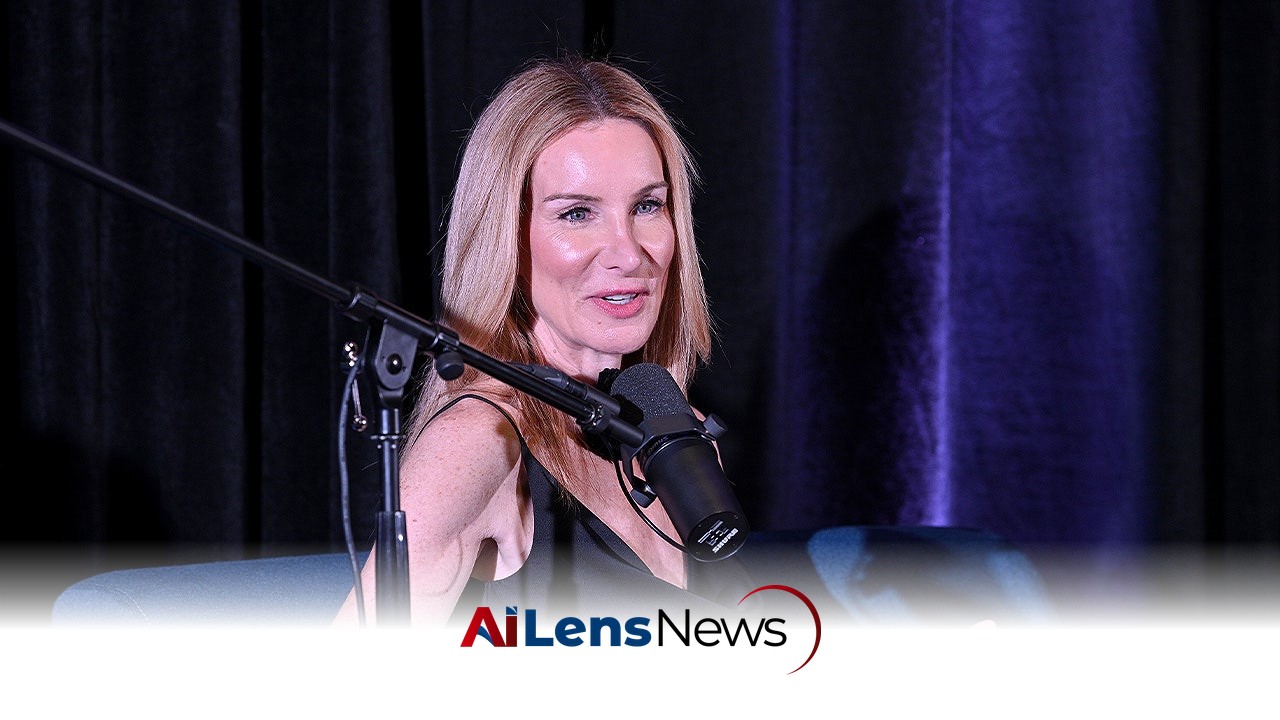


On the 'I've Had It' podcast, Jennifer Welch condemned homeschooling, calling it a significant issue and labeling it as 'MAGA on steroids.'
Washington DC, United States Jul 15, 2026 ALN: In a recent episode of the far-left podcast "I've Had It," co-host Jennifer Welch launched a scathing critique of homeschooling, dubbing it "trickle-down stupidity" and a "huge problem." Her remarks came during a discussion with co-host Angie Sullivan, where they expressed their disdain for parents who choose to educate their children at home. The conversation raised significant questions about the motivations behind homeschooling and the implications it may have for children's education and social development.
The context of this debate is rooted in a growing trend in the United States and other countries where more families are opting for homeschooling as an alternative to traditional public or private schooling. According to the National Center for Education Statistics, the number of homeschooled students in the U.S. has increased dramatically over the past two decades. Factors contributing to this trend include dissatisfaction with the public school system, concerns about safety, and a desire for a more tailored educational experience that aligns with specific family values or religious beliefs.
Welch's comments were sparked by a caller who lamented the presence of "morons attempting to homeschool their children" and suggested that some individuals should not have had children in the first place. Sullivan quickly echoed these sentiments, voicing her concerns about parents involved in Bible study who homeschool their kids. This perspective reflects a broader skepticism among some segments of society regarding the qualifications and motivations of homeschooling parents.
"I just think homeschooling is a bad idea, from soup to nuts," Sullivan stated. She elaborated, emphasizing that it is "f---ing weird" for parents to want their children around them all day, every day. Sullivan expressed a personal conviction that she would have gone to great lengths to ensure her children attended school, highlighting her distrust of parents who prefer constant proximity to their kids. This sentiment raises questions about the balance between parental involvement and the need for children to develop independence and social skills through interaction with peers.
Welch further criticized homeschooling parents, accusing them of attempting to "project a script onto their kids" and lacking the ability to foster critical thinking. She stated, "This is MAGA on steroids. This is the worst, worst, worst." Welch also suggested that homeschooling is part of America's "fundamental crazy Christian problem," equating it to child abuse. This assertion reflects a viewpoint that associates homeschooling with a lack of exposure to diverse ideas and critical thinking, which are often cultivated in traditional educational settings.
"It's a huge problem," Welch asserted. "I cannot stand these people. It's a pretty big red flag when somebody tells you they were homeschooled. I think it's such a selfish thing for parents to do." She also expressed her belief that pushing a singular religion onto a child before they are old enough to explore various beliefs constitutes child abuse. This perspective highlights a significant concern among critics of homeschooling: the potential for indoctrination and the limiting of a child's worldview.
In response to Welch and Sullivan's comments, education policy advocate Corey DeAngelis criticized their perspective. He argued that the real "weird" position is sending children to government schools for most of their formative years. DeAngelis stated, "It’s not weird to love your children and want them around. It’s weird to outsource them to strangers employed by the government while pretending it’s for their own good." This statement underscores a fundamental belief among many homeschooling advocates that parental involvement in education is crucial for a child's development and well-being.
DeAngelis highlighted the issues prevalent in the public school system, including bullying, violence, and indoctrination. These concerns resonate with many parents who have chosen homeschooling as a means to protect their children from negative influences and provide a safer learning environment. Furthermore, the rise of online education resources and communities has made it easier than ever for parents to take on the role of educators, providing them with the tools necessary to teach a wide range of subjects effectively.
DeAngelis further emphasized that homeschooling is not a radical concept, noting that parents teaching their children at home has been the norm for thousands of years. He criticized the factory-model government schooling system, which he believes is a failed experiment that has negatively impacted millions of children. This historical perspective on education suggests that homeschooling is not merely a modern trend but rather a return to a more traditional method of learning that prioritizes parental involvement.
The discussion on the "I've Had It" podcast has ignited a broader conversation about homeschooling, parental authority, and the values instilled in children. As more families opt for homeschooling, the debate surrounding its merits and drawbacks continues to evolve. Advocates for homeschooling argue that it allows for a personalized education that can be tailored to a child's unique learning style and interests, while critics raise concerns about the potential for isolation and lack of socialization.
Moreover, the implications of this debate extend beyond individual families to broader societal issues, including educational equity and access. As homeschooling becomes more prevalent, questions arise about how to ensure that all children, regardless of their background, have access to quality education. The growing popularity of homeschooling may also lead to discussions about the role of government in education, as well as the need for regulations that ensure homeschooling parents are providing a comprehensive and well-rounded education.
In conclusion, the conversation surrounding homeschooling is multifaceted and complex, encompassing issues of parental rights, educational quality, and the social development of children. As the landscape of education continues to shift, it is essential for all stakeholders—parents, educators, policymakers, and society at large—to engage in constructive dialogue about the best ways to support children's learning and growth in an increasingly diverse and interconnected world.
To learn more about the latest developments in Education News, stay updated with our exclusive reports and analyses on AiLensNews.

