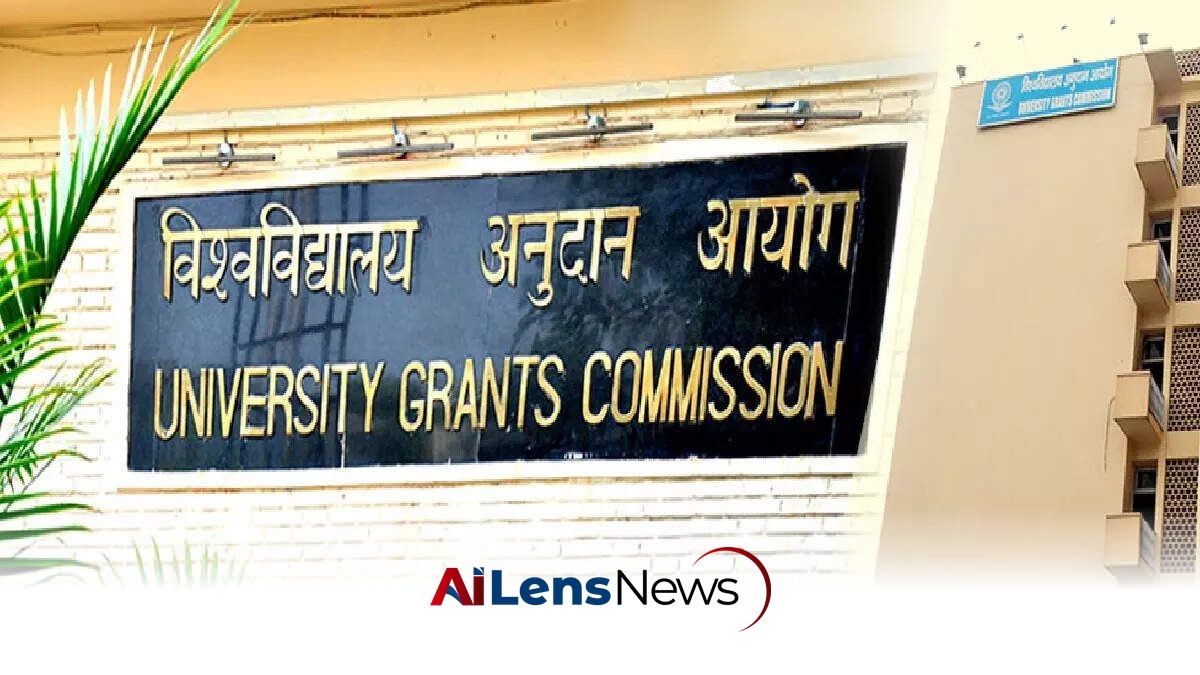


The UGC mandates universities to incorporate SWAYAM MOOCs into degree programs by July 2026, enhancing academic planning and flexibility for students.
New Delhi, India Jul 5, 2026 ALN: The University Grants Commission (UGC) has recently issued a directive mandating higher institutions in the country to integrate approved SWAYAM Massive Open Online Courses (MOOCs) into their degree programs starting from the July 2026 semester. This initiative is viewed as a significant development in the academic landscape, aiming to enhance the quality and accessibility of in the country. The integration of SWAYAM MOOCs is expected to not only modernize the curriculum but also provide students with a broader array of learning resources.
SWAYAM, an initiative by the Government of , was launched in 2017 with the objective of achieving the three cardinal principles of al policy, namely, access, equity, and quality. The platform offers a wide range of courses across various disciplines, catering to the diverse needs of learners. By making these courses available to students at no cost, SWAYAM aims to democratize , allowing individuals from different backgrounds to benefit from quality learning resources. This aligns with the government's broader goal of promoting inclusive and ensuring that higher is accessible to all, regardless of socio-economic status.
The UGC's directive to integrate SWAYAM MOOCs into university curricula is a strategic move to ensure that online learning becomes a fundamental component of higher rather than an optional supplement. This integration requires universities to map the content of these online courses with their existing syllabi, ensuring that they complement the traditional learning framework. Such alignment is crucial as it helps maintain academic rigor while providing students with additional resources to deepen their understanding of subjects. The expectation is that this will not only enhance the learning experience but also improve overall student outcomes, as students will have access to diverse methodologies and perspectives.
To facilitate this integration, universities are also required to ensure that students register for these SWAYAM courses before specified deadlines. This proactive approach not only encourages students to take advantage of the available online resources but also allows institutions to monitor participation and completion rates, which can be valuable for assessing the impact of online learning on student performance. Tracking these metrics will be essential for universities to evaluate the effectiveness of the SWAYAM courses and make informed decisions about future curriculum development.
The incorporation of SWAYAM courses is expected to enrich the academic experience for students. By offering a broader range of learning materials and interactive content, universities can create a more dynamic and engaging curriculum. This shift reflects the growing trend of online learning, which has gained significant traction in recent years, particularly in the wake of the COVID-19 pandemic, when many al institutions were forced to pivot to online modes of instruction. The pandemic has accelerated the adoption of digital tools, highlighting the need for institutions to adapt to changing al demands and student preferences.
Furthermore, the UGC's directive allows institutions to conduct examinations for these courses on campus. This flexibility is particularly beneficial for students who may prefer a structured environment for assessments rather than the entirely online format. By providing the option for in-person examinations, universities can create a hybrid model that combines the advantages of online learning with the benefits of traditional assessment methods. This hybrid approach may alleviate some of the anxiety students face regarding online assessments, particularly in high-stakes situations.
The integration of SWAYAM MOOCs into degree programs is also indicative of a broader trend towards the use of technology in . As digital tools and resources become increasingly prevalent, higher institutions are recognizing the importance of adapting to these changes. The move towards incorporating online courses can help institutions stay relevant and competitive in an evolving al landscape. Moreover, this shift can facilitate collaboration among institutions, as they may share resources and best practices related to online course offerings.
Moreover, this initiative aligns with global al trends where online learning has become a staple in many universities worldwide. The ability to access high-quality courses from renowned educators and institutions is a significant advantage for students, allowing them to learn at their own pace and convenience. This flexibility is especially important in today’s fast-paced world, where students often juggle multiple responsibilities, such as work, family, and academic commitments. The ability to tailor learning experiences to individual schedules can significantly enhance student engagement and retention.
In addition to enhancing the learning experience, the integration of SWAYAM MOOCs can also have implications for faculty development. Educators may need to adapt their teaching methods and engage with online content to facilitate a blended learning environment. This shift could lead to professional development opportunities for faculty members as they learn to incorporate digital tools into their teaching practices. Institutions may need to invest in training programs to support faculty in this transition, ensuring that they are well-equipped to leverage online resources effectively.
Overall, the UGC's directive marks a pivotal moment in the evolution of higher in . By emphasizing the importance of integrating technology and online resources into traditional learning frameworks, the UGC is setting the stage for a more inclusive and innovative al system. As institutions prepare for the July 2026 semester, the successful implementation of this initiative will require collaboration among various stakeholders, including university administrators, faculty, and students. Engaging all parties in the planning and execution phases will be critical for addressing potential challenges and maximizing the benefits of this integration.
In conclusion, the integration of SWAYAM MOOCs into university degree programs represents a significant step towards modernizing higher in . It reflects a commitment to enhancing the quality of and ensuring that students have access to a diverse range of learning opportunities. As the academic community embraces this change, it will be essential to monitor the outcomes and make necessary adjustments to optimize the benefits of online learning for all students. The UGC's initiative not only aims to enhance al quality but also seeks to prepare students for a rapidly changing job market where digital literacy and lifelong learning are increasingly important.
To learn more about the latest developments in Education News, stay updated with our exclusive reports and analyses on AiLensNews.

