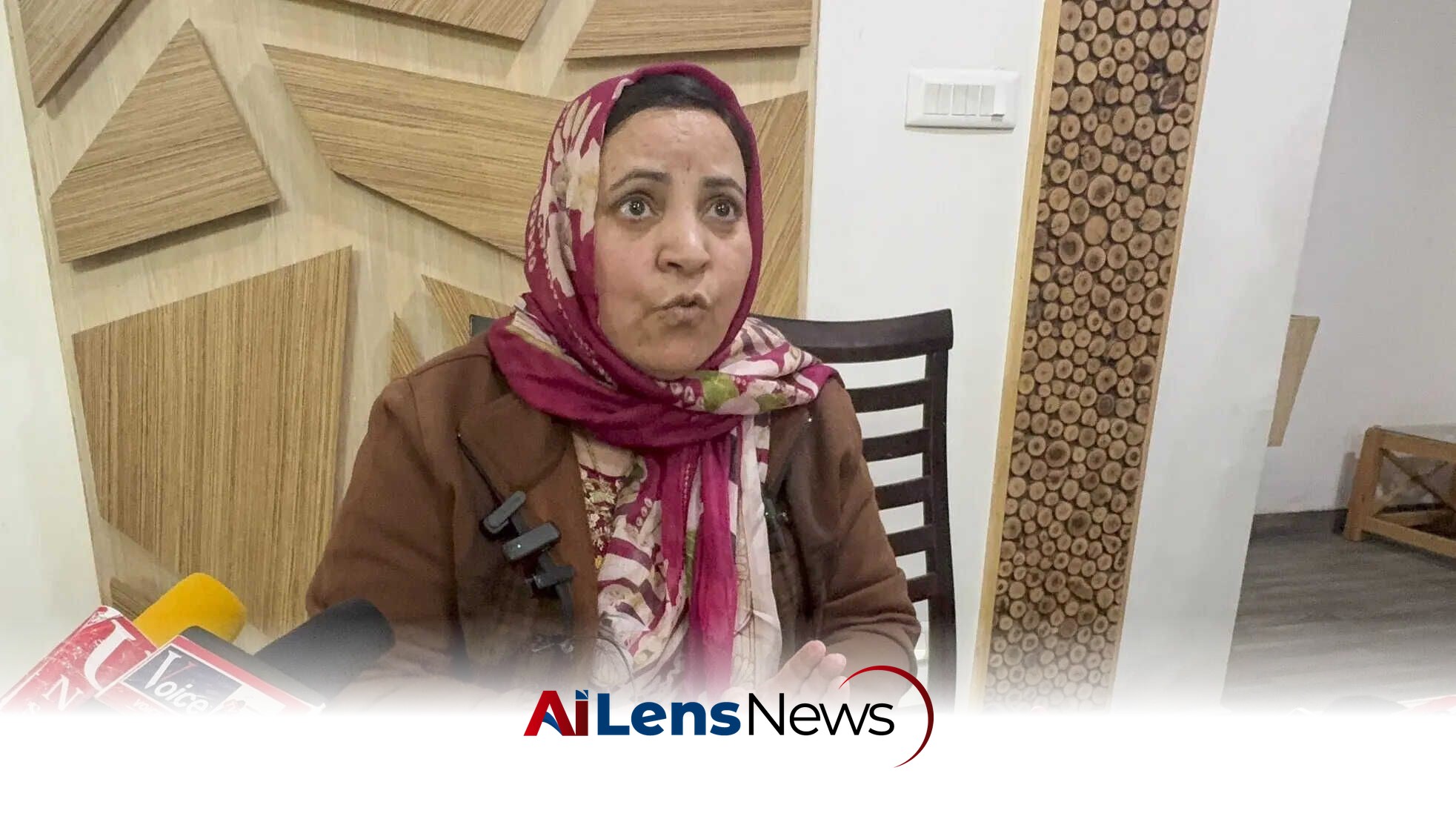


A viral video of a 12-year-old boy criticizing the delay in summer vacation announcements in Kashmir has led to action from the Child Welfare Committee, raising concerns about children's rights and social media exposure.
New Delhi, India Jul 4, 2026 ALN: A viral video featuring a 12-year-old boy from Kashmir has ignited a significant debate regarding children's rights and their presence on social media. In the video, the boy expresses his frustration over the delay in announcing summer vacation dates, questioning why officials seem disconnected from the realities faced by students. This seemingly simple question has resonated widely, bringing attention to the complexities of children's rights, their representation, and the responsibilities of adults in safeguarding their interests in the digital age.
The context surrounding this incident is crucial to understanding its implications. Kashmir, a region marked by its unique cultural, political, and social challenges, has seen various transformations in recent years, especially in terms of youth engagement. The system in Kashmir has faced numerous hurdles, including political unrest, natural disasters, and the ongoing impact of the COVID-19 pandemic. These factors have contributed to a sense of urgency and anxiety among students regarding their academic schedules, particularly in a region where traditional school calendars can be disrupted by external circumstances.
The Child Welfare Committee responded swiftly to the video's circulation, ordering its removal and filing a First Information Report (FIR) against those involved. The committee cited a lack of parental consent for the boy's appearance in the video as a primary reason for their actions. This response raises important questions about consent, particularly in the context of minors. It highlights the legal and ethical standards that govern the portrayal of children in media and the responsibilities of content creators to ensure the protection of young voices. The issue of consent for minors is particularly sensitive, as it involves navigating the rights of children against the backdrop of parental authority and societal norms.
In addition to the committee's response, Kashmir's chief cleric has raised concerns about the exposure of minors on social media platforms. He emphasized the need for protecting children from potential exploitation and the implications of their online presence. This perspective reflects a growing awareness of the risks associated with social media, especially for young individuals who may not fully comprehend the long-term consequences of their digital footprints. The cleric's comments resonate with a broader societal concern regarding the safety and well-being of children in an era where online interactions can lead to both positive and negative outcomes. The cleric's intervention also underscores the role of religious and community leaders in shaping public discourse around children's rights and welfare.
This incident has sparked a broader conversation about the rights of children in the digital age. Advocates for children's rights argue that while it is essential to protect minors, it is equally important to allow them a voice in matters that affect their lives. The boy's candid remarks reflect a growing sentiment among youth who feel unheard in discussions about their welfare. In many ways, this incident serves as a microcosm of a larger struggle between the desire for children's voices to be heard and the imperative to protect them from potential harm. The tension between these two objectives highlights the need for a balanced approach that prioritizes both safety and expression.
As the debate unfolds, it highlights the delicate balance between safeguarding children and allowing them to express their opinions. The actions taken by the Child Welfare Committee and the concerns raised by community leaders underscore the complexities of navigating children's rights in an increasingly digital world. On one hand, there is a pressing need to shield children from exploitation and harmful exposure; on the other hand, there is an equally important need to empower them, allowing their thoughts and feelings to be shared and considered in public discourse. This duality raises questions about the role of society in fostering environments where children can safely express their views without fear of repercussions.
The implications of this incident extend beyond the immediate concerns of the video itself. It prompts discussions about the role of social media in shaping public opinion and the responsibilities of those who share content featuring minors. As social media platforms continue to evolve, the question of how to protect children while also fostering their engagement in civic matters becomes increasingly pertinent. Advocates argue that children should be educated about their rights and the implications of their online presence, empowering them to navigate these challenges effectively. This could take the form of workshops, school programs, or community initiatives aimed at raising awareness about digital literacy and the importance of consent.
Moreover, the incident raises questions about the role of parents and guardians in monitoring their children's engagement with social media. Parental consent is a critical aspect of protecting minors, but it also necessitates a dialogue between parents and children about the nature of their online interactions. In a world where digital literacy is becoming as important as traditional literacy, parents must equip their children with the skills to understand and manage their online identities. This includes discussing the potential risks associated with sharing personal information online and the importance of maintaining privacy in a digital landscape that can often feel overwhelming.
In conclusion, the viral video has not only drawn attention to the specific issue of summer vacation announcements in Kashmir but has also opened up a vital dialogue about the rights of children and their ability to engage in discussions that impact their lives. As society continues to grapple with the challenges and opportunities presented by the digital landscape, it is essential to prioritize the voices of young individuals while ensuring their safety and well-being. This incident serves as a reminder of the need for a nuanced approach to children's rights, one that acknowledges their agency while also safeguarding them from potential risks. The ongoing conversation surrounding this video illustrates the importance of listening to youth voices and creating spaces where they can participate meaningfully in discussions that affect their futures.
To learn more about the latest developments in Education News, stay updated with our exclusive reports and analyses on AiLensNews.

