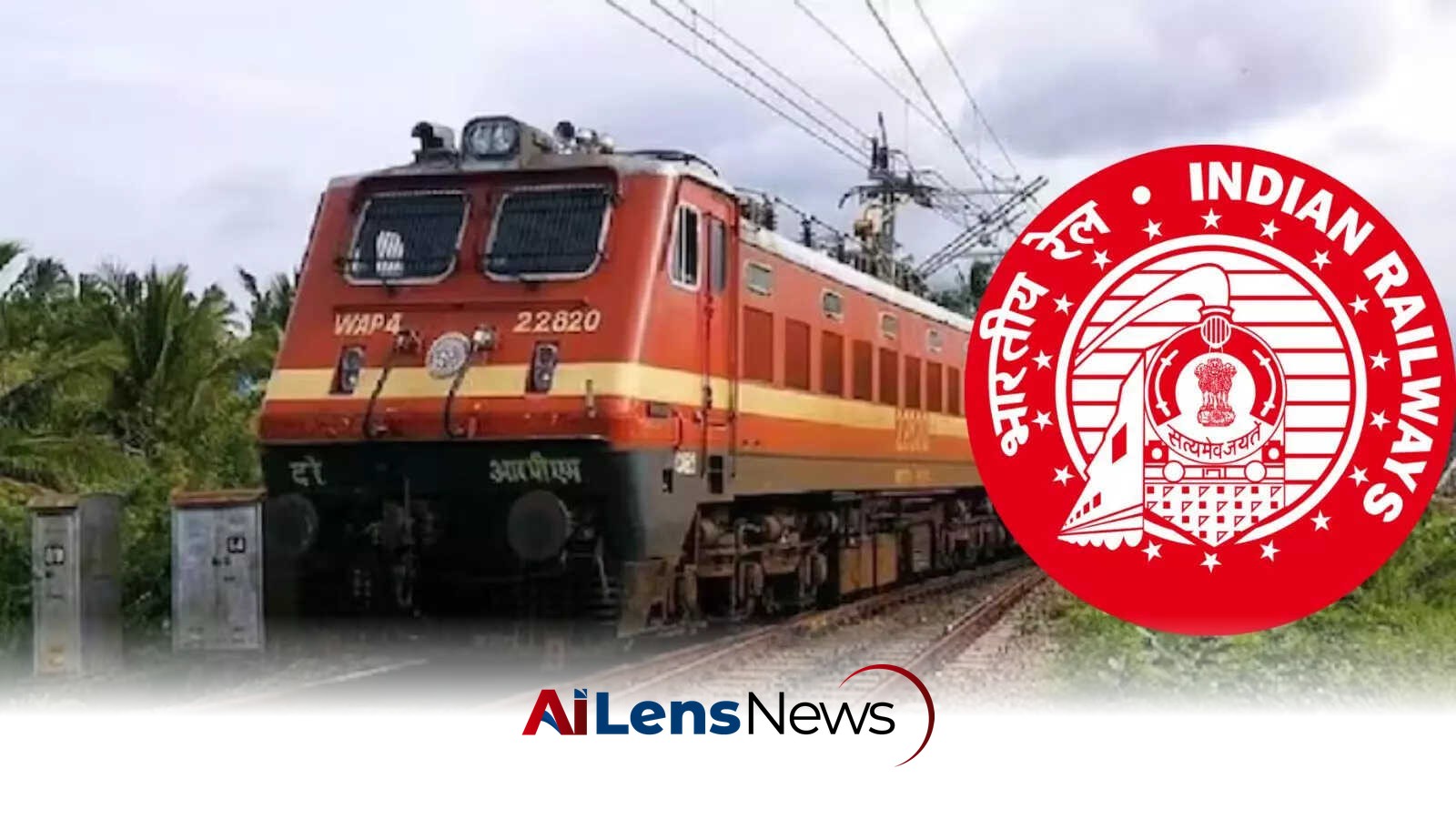


The RRB Group D results for 2026 are out, detailing the next steps for shortlisted candidates including PET and salary expectations.
New Delhi, India Jul 2, 2026 ALN: The Railway Recruitment Boards (RRBs) have officially announced the results for the Group D Computer-Based Test (CBT) conducted in 2026. This examination attracted a staggering 1.08 crore applicants competing for a total of 32,438 Level-1 posts within the n Railways. The sheer volume of applicants underscores the intense competition and the high demand for employment opportunities in one of the largest employers in the country. The significance of the n Railways extends beyond mere transportation; it is a vital artery of the national economy, facilitating the movement of goods and people across vast distances, thus linking various regions and contributing to economic development.
The n Railways is a crucial component of the nation's infrastructure, facilitating the movement of people and goods across vast distances. As such, the demand for positions within the Railways remains consistently high. The Group D posts include a variety of roles that are essential for the smooth functioning of railway operations, from track maintenance to catering services. Given the pivotal role of the Railways in the n economy and its impact on daily commuters, securing a position in this sector is seen as a prestigious and stable career choice. The wide array of responsibilities associated with Group D roles ensures that there are opportunities for individuals with diverse skill sets and backgrounds.
With the results now available, shortlisted candidates will move forward to the next phase of the selection process: the Physical Efficiency Test (PET). The PET is a critical assessment designed to evaluate the physical fitness of candidates, ensuring that they can meet the demanding physical requirements of the roles they are applying for. This test typically includes various physical tasks that simulate the responsibilities of the position, such as lifting heavy weights, running certain distances, or performing other physically demanding activities. The emphasis on physical fitness reflects the nature of many of the roles within the Railways, which often require candidates to be in good health and physically capable of handling the job's demands. The physical efficiency test is not merely a formality; it serves to ensure that candidates are adequately prepared for the rigors of railway operations where physical endurance and strength can be crucial for safety and efficiency.
Following the successful completion of the PET, candidates will enter the Document Verification stage. This step is of utmost importance, as it involves the thorough verification of all necessary documents to confirm the eligibility and qualifications of the candidates. Candidates are advised to meticulously prepare their documents, ensuring that all al certificates, identity proofs, and any other required paperwork are accurate and readily available. Incomplete or incorrect documentation can lead to disqualification, making this a critical step in the recruitment process. The Document Verification phase not only serves as a means of validating the credentials of candidates but also helps maintain the integrity of the recruitment process, ensuring that only qualified individuals are considered for employment.
Once candidates have successfully navigated the Document Verification stage, they will be required to undergo a Medical Examination. This examination is conducted to assess the overall health and medical fitness of candidates, ensuring they are capable of performing their duties without any health-related hindrances. The medical standards set by the n Railways are stringent, reflecting the need for employees to maintain high levels of health, especially in roles that may involve strenuous physical activity or work in challenging environments. The medical examination is a comprehensive assessment that includes tests for vision, hearing, and other health indicators, ensuring that candidates can withstand the demands of their positions while minimizing the risk of health-related issues that could affect their performance or safety on the job.
For candidates who successfully complete all these stages, the prospects are promising. The starting salary for these positions is set at ₹18,000 per month, as per the recommendations of the 7th Central Pay Commission. This salary is accompanied by additional allowances, which can significantly enhance overall compensation. The pay structure is designed to provide a competitive package that not only attracts candidates but also retains them in a sector known for its stability and growth potential. Moreover, the n Railways offers a range of benefits including job security, pension schemes, medical facilities, and various allowances that contribute to a holistic compensation package. The financial stability offered by these positions is particularly appealing to candidates from economically disadvantaged backgrounds, providing them with a pathway to improved living standards and job stability.
The implications of securing a position in the n Railways extend beyond financial benefits. Employment in the Railways often comes with job security, opportunities for career advancement, and various benefits such as pension schemes, medical facilities, and leave entitlements. For many candidates, especially those from economically disadvantaged backgrounds, these positions represent a pathway to improved living standards and job stability. The n Railways has a long history of providing employment to millions of people, and as it continues to expand and modernize, the demand for skilled workers is expected to grow, making it a favorable time for candidates entering the workforce.
As the recruitment process progresses, it is advisable for candidates to stay informed by regularly checking the official RRB websites. These platforms will provide updates regarding their scorecards, upcoming tests, and further instructions regarding the next steps in the recruitment process. Staying proactive and informed is crucial for candidates to prepare adequately for the upcoming tests and ensure a smooth transition through the various stages of selection. Additionally, candidates are encouraged to engage with fellow applicants and seek guidance from those who have previously navigated the recruitment process. This can provide valuable insights and tips that can enhance their preparation and boost their confidence.
In conclusion, the RRB Group D recruitment process is a multi-step journey that requires candidates to demonstrate not only their knowledge and skills through the CBT but also their physical fitness and compliance with necessary documentation. As candidates prepare for the PET, Document Verification, and Medical Examination, they must remain diligent and focused. Successfully navigating these stages can lead to a rewarding career in the n Railways, contributing to one of the largest and most vital transportation networks in the world. The journey ahead may be challenging, but for those who are determined and well-prepared, the rewards of a stable and fulfilling career in the n Railways await.
To learn more about the latest developments in Jobs & Careers, stay updated with our exclusive reports and analyses on AiLensNews.

