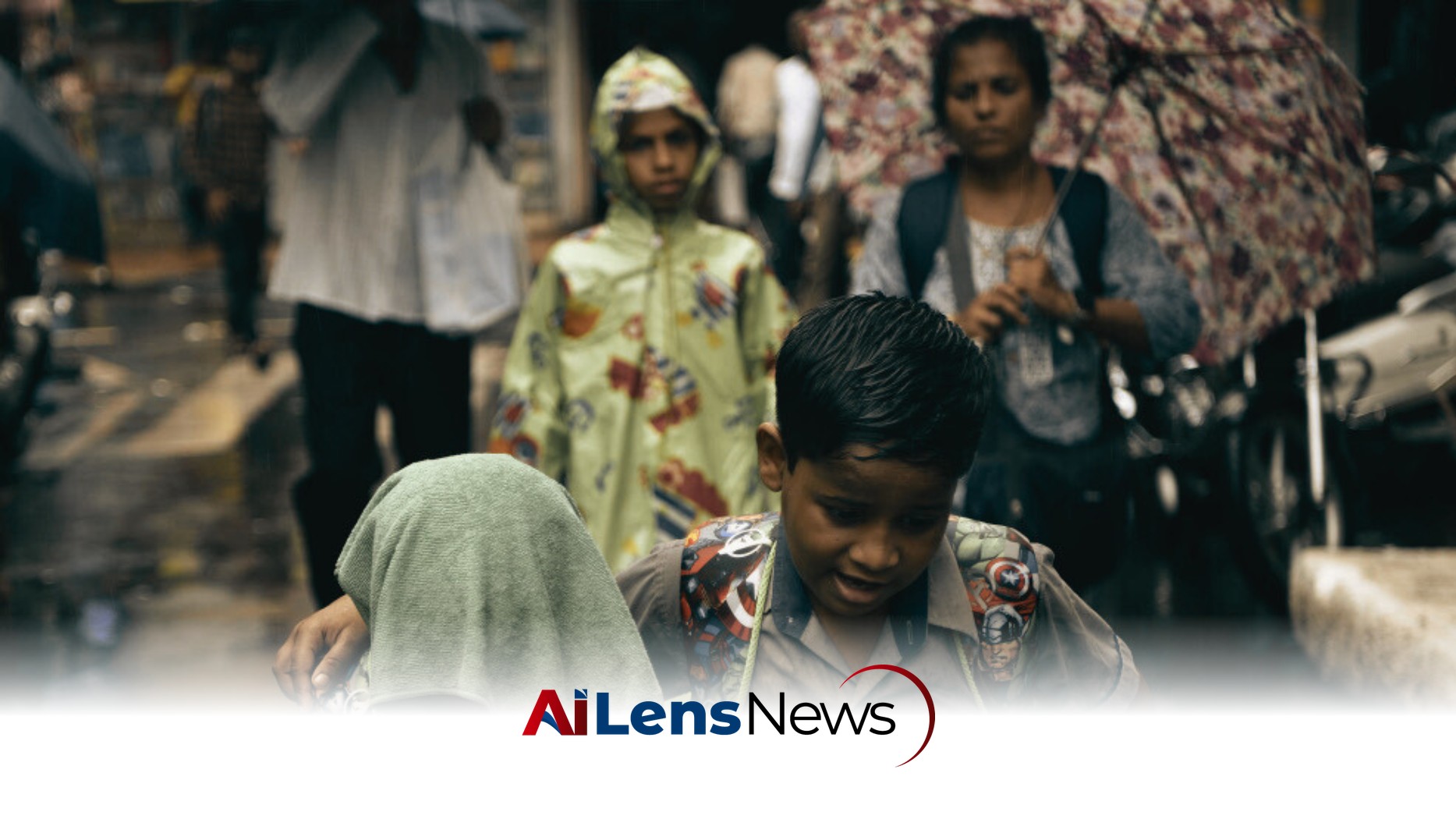


Mumbai schools and colleges are closed today due to heavy rainfall and an orange alert from the IMD, affecting various regions.
New Delhi, India Jul 7, 2026 ALN: Mumbai, the bustling metropolis and financial capital of , is no stranger to the challenges posed by the annual monsoon season. On July 7, 2026, schools and colleges across the city were closed as a result of heavy rainfall, which prompted the Brihanmumbai Municipal Corporation (BMC) to extend the holiday for all al institutions. This decision was made in light of an orange alert issued by the n Meteorological Department (IMD), indicating that the weather conditions were severe enough to warrant precautionary measures.
The closure of all al institutions, including government, private, and civic-run schools, underscores the seriousness with which local authorities are addressing the safety of students and staff during extreme weather events. The BMC's proactive approach reflects a growing recognition of the need to prioritize public safety in the face of increasingly unpredictable weather patterns, which have been exacerbated by climate change. The monsoons in Mumbai are notorious for their intensity, and the city has a long history of dealing with the consequences of heavy rainfall, including flooding and landslides.
Heavy rainfall in Mumbai often leads to significant impacts, such as flooding, traffic disruptions, and other hazards that can pose risks to the safety of children traveling to and from school. This year's monsoon season has already proven to be particularly challenging, with reports of significant rainfall not just in Mumbai but also in neighboring regions such as Thane, Navi Mumbai, Palghar, and Raigad. These areas have experienced similar school closures as authorities seek to mitigate risks associated with the adverse weather. The decision to keep schools closed is not taken lightly, as it affects the academic calendar and can disrupt the learning process for students. However, the safety of children is paramount, especially in a city that has faced devastating floods in the past.
Historically, Mumbai has experienced catastrophic flooding events, notably in 2005 when unprecedented rainfall led to widespread inundation, causing significant loss of life and property. This has instilled a sense of urgency among local authorities to prioritize safety measures during the monsoon season. The BMC's alert on July 7 serves as a reminder of the city's vulnerability to monsoon-related disasters, which can lead to loss of life and property if not managed properly. The proactive closure of schools reflects a shift in policy where the focus is increasingly on preventative measures rather than reactive solutions.
In recent years, Mumbai has witnessed a series of extreme weather events, including heavy rains that have resulted in significant flooding and infrastructure challenges. The monsoon season, which typically lasts from June to September, brings with it not just rain but also the risk of landslides, waterlogging, and other natural calamities. Such conditions create hazardous situations for school-going children, prompting the need for timely interventions by local authorities. The BMC's decision to close schools is part of a broader strategy to address these challenges, emphasizing the importance of community safety and resilience.
In light of the current weather situation, parents and guardians have been advised to stay informed about further announcements regarding school operations. The BMC and al authorities are likely to monitor the weather closely and will provide updates as conditions evolve. This level of communication is crucial to ensuring that families are prepared and can make informed decisions regarding their children's safety. The reliance on timely updates from local authorities reflects a growing awareness of the need for transparency and proactive communication during emergencies.
As the monsoon season progresses, it is essential for residents of Mumbai and surrounding areas to remain vigilant. Local authorities have issued safety guidelines that residents are encouraged to follow, which include avoiding travel during heavy rainfall, staying indoors as much as possible, and being cautious of potential flooding in low-lying areas. Such measures can help minimize risks associated with the unpredictable nature of the monsoon. Furthermore, community engagement and awareness campaigns can play a vital role in ensuring that residents are equipped with the knowledge needed to navigate these challenging conditions.
The implications of the current weather conditions extend beyond just the immediate safety of students. The closure of al institutions can have broader effects on the academic calendar, potentially leading to adjustments in exam schedules, curriculum delivery, and overall academic outcomes for students. This is particularly concerning for students who may already be facing challenges due to previous disruptions, such as those experienced during the COVID-19 pandemic. The cumulative effect of such disruptions may have long-term consequences on students' al trajectories and mental well-being.
Furthermore, the economic impact of heavy rainfall and associated school closures can be significant. Parents who rely on their children attending school may face challenges in balancing work commitments with the need to care for their children at home. The added burden of childcare during unexpected school closures can lead to increased stress for families. Additionally, businesses that cater to school-related activities, such as transportation services and school supplies, may also experience financial strain during periods of extended closures. The ripple effects of these closures can extend to local economies, highlighting the interconnectedness of and economic stability.
Ultimately, the situation highlights the need for effective disaster preparedness and response strategies in urban areas prone to extreme weather. As climate change continues to influence weather patterns globally, cities like Mumbai must invest in resilient infrastructure, improve drainage systems, and enhance emergency response capabilities to better manage the risks associated with heavy rainfall and flooding. The BMC's efforts to address these challenges will require collaboration with various stakeholders, including government agencies, non-profit organizations, and community groups, to develop comprehensive strategies that prioritize safety and resilience.
As the city grapples with the challenges posed by the monsoon, the collaboration between government authorities, al institutions, and communities will be vital in ensuring the safety and well-being of residents. The ongoing dialogue about weather preparedness and response will likely shape future policies aimed at safeguarding the population during extreme weather events. Schools, in particular, can serve as vital hubs for disseminating information and resources related to disaster preparedness, fostering a culture of resilience among students and their families.
In conclusion, the closure of schools and colleges in Mumbai on July 7, 2026, due to heavy rainfall and an orange alert from the IMD serves as a critical reminder of the need for vigilance and preparedness in the face of changing weather patterns. As the city navigates the complexities of the monsoon season, the focus remains on prioritizing safety while also considering the broader implications for , community well-being, and economic stability. The proactive measures taken by local authorities reflect a commitment to safeguarding the lives of residents, particularly the most vulnerable populations, as they face the challenges posed by climate change and extreme weather events.
To learn more about the latest developments in Education News, stay updated with our exclusive reports and analyses on AiLensNews.

