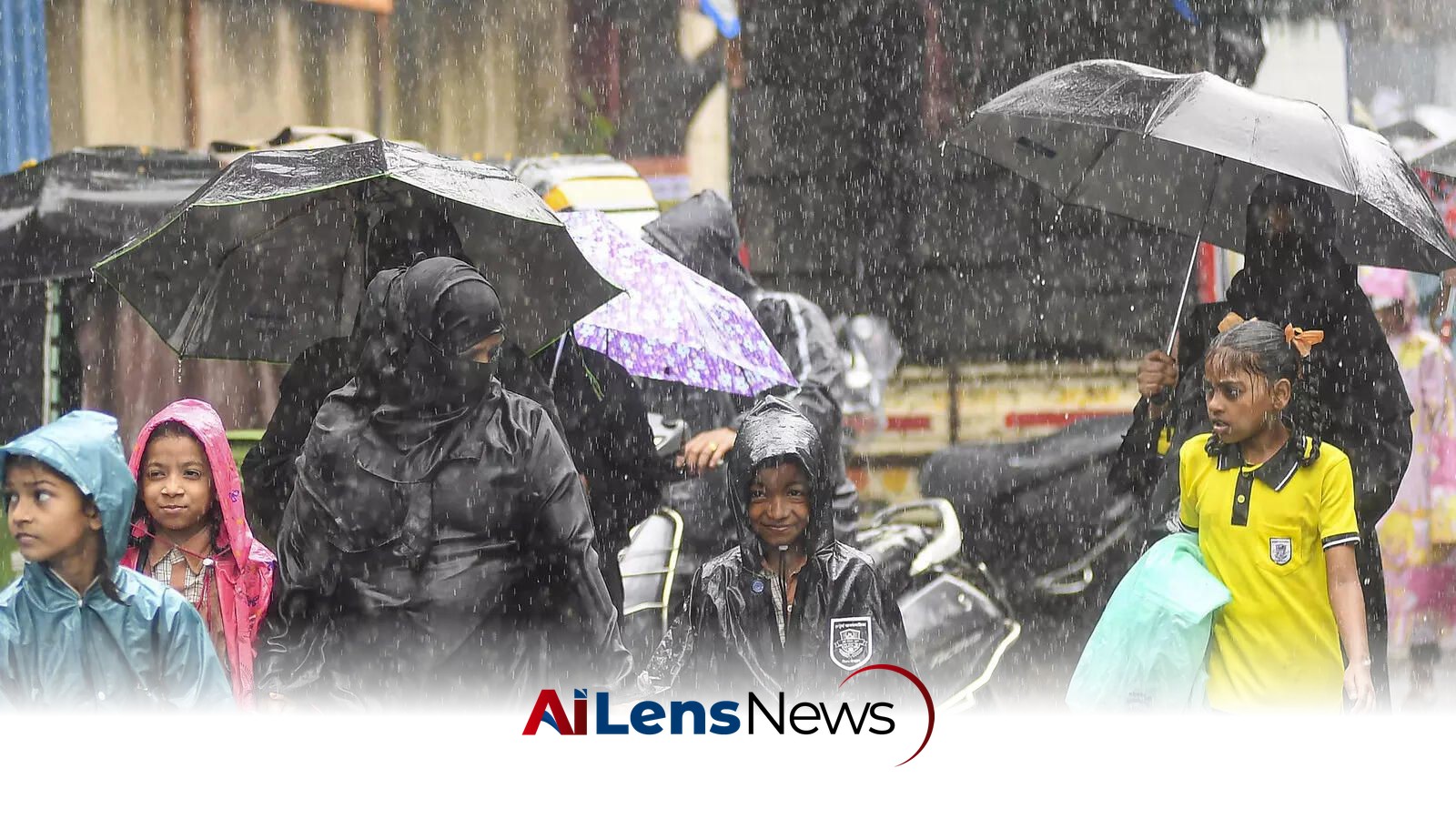


Mumbai schools and colleges are closed for the afternoon session due to a red alert for heavy rainfall, urging residents to stay indoors.
New Delhi, India Jul 4, 2026 ALN: Mumbai is currently facing a significant weather event as the n Meteorological Department (IMD) has issued a red alert for the city, forecasting extremely heavy rainfall for Saturday, July 4. This alert comes as part of the monsoon season, which typically spans from June to September in , bringing with it the potential for severe weather conditions, including heavy downpours, flooding, and strong winds. The monsoon season is critical for replenishing water supplies and supporting agriculture, but it also poses risks that necessitate preparedness and caution.
In response to the anticipated severe weather, schools and colleges across Mumbai have taken precautionary measures by closing for the afternoon session, prioritizing the safety of students and staff. al institutions often act swiftly to ensure the welfare of their students during extreme weather events, recognizing the vulnerabilities associated with travel and outdoor activities during heavy rains. The decision to close schools and colleges reflects a broader commitment to public safety in the face of unpredictable weather patterns.
The IMD has specifically warned residents to prepare for intense showers that may be accompanied by gusty winds reaching speeds of up to 60 kilometers per hour. Such wind speeds can pose risks not only to individuals but also to infrastructure, including the possibility of fallen trees and damaged power lines. The IMD's warnings serve as a crucial reminder of the potential dangers associated with severe weather, emphasizing the need for residents to remain vigilant. Additionally, a high tide warning has been issued, which raises concerns about coastal flooding in various low-lying areas of the city, a common issue during the monsoon season. The combination of heavy rainfall and high tides can exacerbate flooding, leading to significant disruptions in daily life.
In light of these warnings, local authorities are advising residents to stay indoors and avoid unnecessary travel during this period of adverse weather. This recommendation is particularly important given that Mumbai is a densely populated city where travel can be complicated during heavy rains. Roads can quickly become waterlogged, and public transportation systems may face delays or cancellations. The Mumbai local train network, which is a lifeline for millions of commuters, often experiences disruptions during monsoon rains due to flooding on tracks and other related issues. Residents are encouraged to monitor official updates from the IMD and local government agencies to stay informed about the evolving weather situation and follow any advisories issued for their safety.
As the city braces for the impact of the heavy rains, it is essential for community members to look out for vulnerable individuals, including the elderly and those with health issues. These groups may require additional assistance during extreme weather events. Community solidarity can play a crucial role in ensuring that everyone remains safe and supported during challenging . Neighborhood groups and local organizations often mobilize during such events to provide support, distribute supplies, and check on those who may be isolated or in need of help.
Moreover, the implications of such heavy rainfall extend beyond immediate safety concerns. Mumbai, known for its bustling economy and vibrant culture, can face significant disruptions in various sectors due to adverse weather. The monsoon season is critical for agriculture, but excessive rainfall can lead to crop damage and affect food supply chains. Farmers in the surrounding regions depend on the monsoon for irrigation, but too much rain can wash away crops and lead to soil erosion, impacting food security and local economies. In urban areas, heavy rains can cause waterlogging, leading to traffic jams and delays in public transportation, which can impact the daily commute for millions of residents.
Businesses may also experience interruptions, particularly those in sectors that rely on outdoor operations or logistics. Retailers, delivery services, and construction companies may find their operations hampered by the weather, leading to financial implications. The construction sector is particularly vulnerable, as heavy rains can halt work and lead to project delays. Additionally, the tourism sector, which is vital to Mumbai's economy, may see a decline in visitors during periods of heavy rain, as travelers may choose to postpone their plans to avoid adverse weather conditions. Hotels and local attractions often report decreased foot traffic during monsoon downpours, affecting revenue streams and employment in the hospitality industry.
Furthermore, the city's infrastructure is often tested during the monsoon season. Mumbai has faced challenges in managing drainage and flood control in the past, leading to significant flooding in various neighborhoods. The local government has been working on improving drainage systems and flood management strategies, but heavy rainfall can still overwhelm these systems, resulting in waterlogging and other related issues. In recent years, the government has invested in upgrading stormwater drains and improving urban planning to better accommodate the challenges posed by heavy rains. However, many areas still struggle with inadequate drainage, highlighting the need for continued investment in infrastructure.
The situation underscores the importance of ongoing infrastructure development and urban planning to mitigate the effects of extreme weather events. As urban areas expand and populations grow, the strain on existing infrastructure increases, necessitating innovative solutions to manage stormwater and prevent flooding. This includes not only physical infrastructure improvements but also community engagement in disaster preparedness and response initiatives.
In addition to the immediate impact of the weather, there are longer-term implications for climate resilience in Mumbai. As climate change continues to influence weather patterns, cities like Mumbai must adapt to the increasing frequency and intensity of extreme weather events. This includes investing in sustainable infrastructure, improving emergency response systems, and enhancing community awareness and preparedness for severe weather conditions. Climate resilience strategies may involve integrating green infrastructure, such as rain gardens and permeable pavements, to improve water absorption and reduce runoff during heavy rains.
In conclusion, as Mumbai navigates this period of heavy rainfall under a red alert from the IMD, the focus remains on safety and preparedness. Residents are urged to stay informed, heed local advisories, and support one another during this challenging time. The implications of such weather events extend beyond immediate safety concerns, affecting various aspects of life in the city, from transportation and business operations to community resilience and climate adaptation efforts. As the city continues to grapple with the challenges posed by the monsoon season, proactive measures and community solidarity will be key in ensuring the safety and well-being of all residents. The collective response to such weather events can foster a sense of unity and resilience within the community, ultimately contributing to a stronger, more prepared city in the face of future challenges.
To learn more about the latest developments in Education News, stay updated with our exclusive reports and analyses on AiLensNews.

