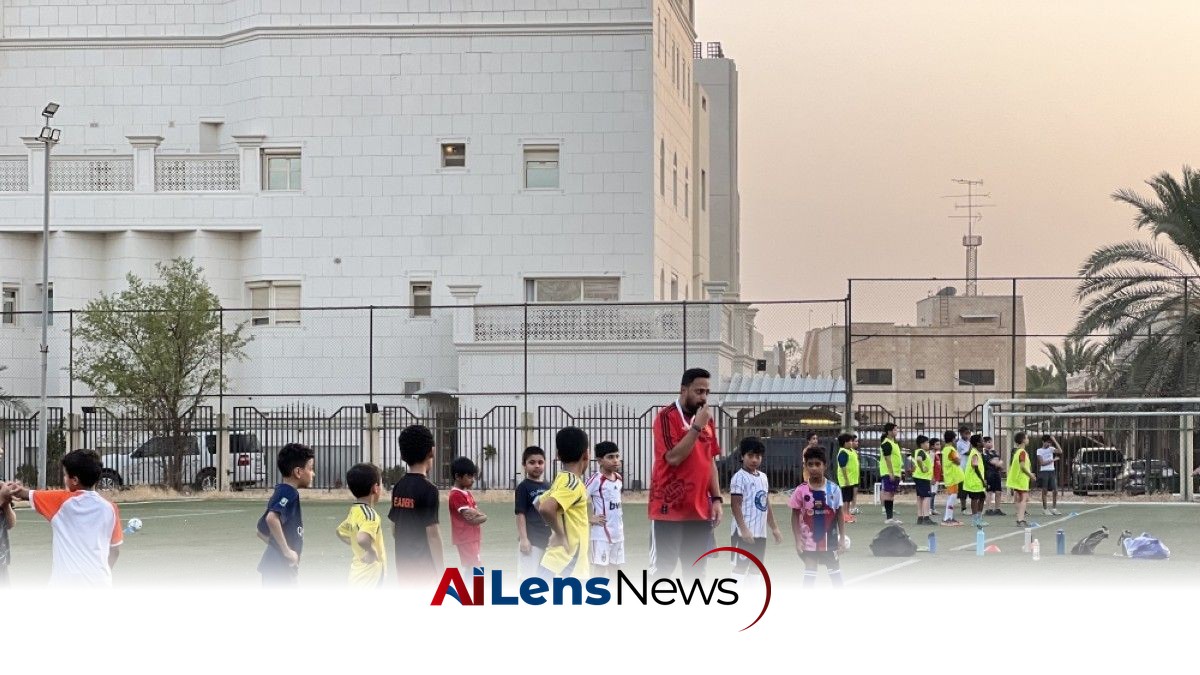


The Ministry of Education's summer clubs in Kuwait have surpassed enrollment expectations, with a diverse range of activities aimed at student development.
Kuwait City, Kuwait Jul 24, 2026 ALN: Turnout at the Ministry of Education’s summer school clubs has exceeded expectations this season, with clubs recording enrollments ranging from 100 to 250 students, according to officials and club heads. Registration for the free program remains open until Aug 31 for Kuwaiti and expatriate students from public, private, religious, and special education schools at the primary, middle, and secondary levels. Students can register online through their Microsoft Teams accounts or in person at participating club locations.
“The summer clubs returned stronger than ever, with new centers opening and eligibility expanded to include more categories of students,” Mariam Al-Enezi, Director General of the General Administration of Support Services at the Ministry of Education, told Kuwait Times. She added that the clubs will continue operating during winter through evening programs, with expanded offerings including new courses such as artificial intelligence to equip students with future-ready skills. Kuwaiti social activist Asrar Hayat, who attended summer clubs as a student, described their return as “a revival of schools’ broader role in society,” arguing that the clubs offer much more than recreational activities.
A new era
“A school is not only a place for education and exams; it is also a space that serves the wider community,” she said. “These clubs represent a national investment in people. Human capital is a country’s greatest asset. Resources may change in value or eventually run out, but it is talented, innovative, and skilled people who build a nation’s future.” Hayat said the initiative deserves public support as Kuwait embraces new approaches to education and youth development. “We are entering a new era, and we should support public initiatives and give them opportunities to develop,” she said. “Developing these summer programs is everyone’s responsibility. Parents should give feedback and help improve the system.”
For Umm Badr, whose son attended government summer clubs last year, the decision to enroll him again this summer was an easy one. What initially attracted her to the initiative was its affiliation with the Ministry of Education, which gave her greater reassurance and confidence in the level of care provided. “I feel there is more attention and care because they are affiliated with the Ministry of Education,” she said. “When there was a recent siren warning, they immediately contacted parents and asked us not to bring our children. That made me feel they genuinely care about children’s safety and are not only focused on financial aspects.” While she also enrolls her children in private activities such as swimming, Umm Badr said the government clubs stand out because of the attention and supervision they provide.
Constant evaluation
She added that the ministry’s health requirements before joining the sports club also increased her confidence in the program. “They make sure children complete medical checkups before joining the activities. That level of attention is not always the same elsewhere.” Although she hopes facilities such as swimming pools will eventually open, Umm Badr believes the clubs continue to fill an important need during the long summer break.
Al-Enezi said the ministry continues to improve the program based on parents’ feedback, which can be submitted through the Sahel app or directly to club administrators. Suggestions are reviewed regularly and shared with clubs whenever they can be implemented. One of the most significant improvements introduced this year came in response to parents’ requests. The ministry expanded the number of clubs in large educational districts such as Jahra and Ahmadi, increasing them from one boys’ club and one girls’ club to three clubs each, allowing more students to participate.
Distributed across 27 locations in different educational districts, the 2026 edition of the summer clubs offers students a wide range of activities, including two newly introduced specialized clubs. The Practical Studies Club provides hands-on training in recycling, decoration, woodworking, and basic electrical work, while the Sea Scout Camp Club teaches camping techniques, knot tying, rowing, diving, and other marine activities designed to build teamwork, leadership, and self-reliance.
Students can also choose from sports clubs offering football, basketball, volleyball, handball, and bowling; debate clubs supervised by the Arabic Language Department to strengthen public speaking and critical thinking; robotics clubs focused on robot design and programming; and dedicated clubs for students with disabilities, offering activities tailored to their cognitive and developmental abilities.
Nurturing talents
During a visit to one of the summer clubs, Dr Abbas Ali Alfaili, head of the Capital Summer Club for sports, said the initiative plays a key role in identifying and developing young athletic talent. The sports club has attracted more than 150 students this season, he said. “The club serves as a nursery for students’ talents, identifying promising athletes and developing their skills until they are ready to move to the next level,” Alfaili told the Kuwait Times. “Outstanding students can then be selected by the Kuwait School Sports Federation before progressing to sports clubs across Kuwait.” In the past, teachers would go into neighborhoods and open spaces looking for talented children playing football or other sports. Today, the return of the summer clubs brings those opportunities together in one place, making it much easier to identify and nurture promising athletes, he added.
Abdul Redha bin Nakhi, head of the robotics club, said the club has attracted around 107 students this season, with participants typically needing around three weeks to complete a robotics project before presenting their work in a local competition between boys’ and girls’ clubs. “The purpose is to give students experience in competitions because our main goal is to prepare them for participation in competitions outside Kuwait,” he said. He added that robotics helps students develop independence and confidence by encouraging them to solve problems themselves.
Develop personalities
“In robotics, there is no single way to build a robot. Students experiment, make mistakes, and solve problems themselves,” he said. “When students see an idea that they created is actually working, it gives them a strong sense of achievement. Seeing them come back shows me they benefited from the experience.” He explained that trainers give students space to experiment and be creative while ensuring they remain supervised. Unlike a fixed academic curriculum, students are not pressured to complete a specific project immediately and can move between activities based on their interests. “The school environment can sometimes be more structured and strict, while here the idea is that students come to enjoy themselves and learn at the same time,” bin Nakhi told the Kuwait Times.
Alfaili echoed these sentiments, noting that the value of the clubs extends beyond sports development, highlighting their role in building social connections among students from different backgrounds. He said the clubs aim to provide a wide range of benefits, including sports development, educational growth, technical skills, cultural activities, independence, and leadership skills. “We want students to learn how to become leaders, not only on the field but also in their daily lives,” he said. Alfaili said that their long-term goal is to restore summer clubs to the level of popularity they enjoyed in the past.
Restoring clubs’ popularity
“Our vision is that within five years, these summer clubs will return to their previous status because they existed before and were very popular,” he said. Summer clubs were once a popular choice for families during the long school break, offering children structured activities and opportunities to develop their skills. However, their presence declined after being paused for a period, creating space for private camps and other alternatives to grow in popularity. After returning last year, the clubs were temporarily paused again due to regional circumstances before resuming this summer.
He described the development of the clubs as a three-part process: having the facilities, attracting students, and providing effective programs. He also believes attracting physical education teachers and specialists to participate in the program is important. Bin Nakhi echoed the need for further expansion, noting that increasing the number of robotics clubs remains a priority, particularly as transportation challenges can prevent some students from participating. Alfaili added that the return of the Kuwait School Sports Federation will be crucial in ensuring continuity beyond the summer months, allowing students to continue developing their skills throughout the year.
To learn more about the latest developments in Education News, stay updated with our exclusive reports and analyses on AiLensNews.

