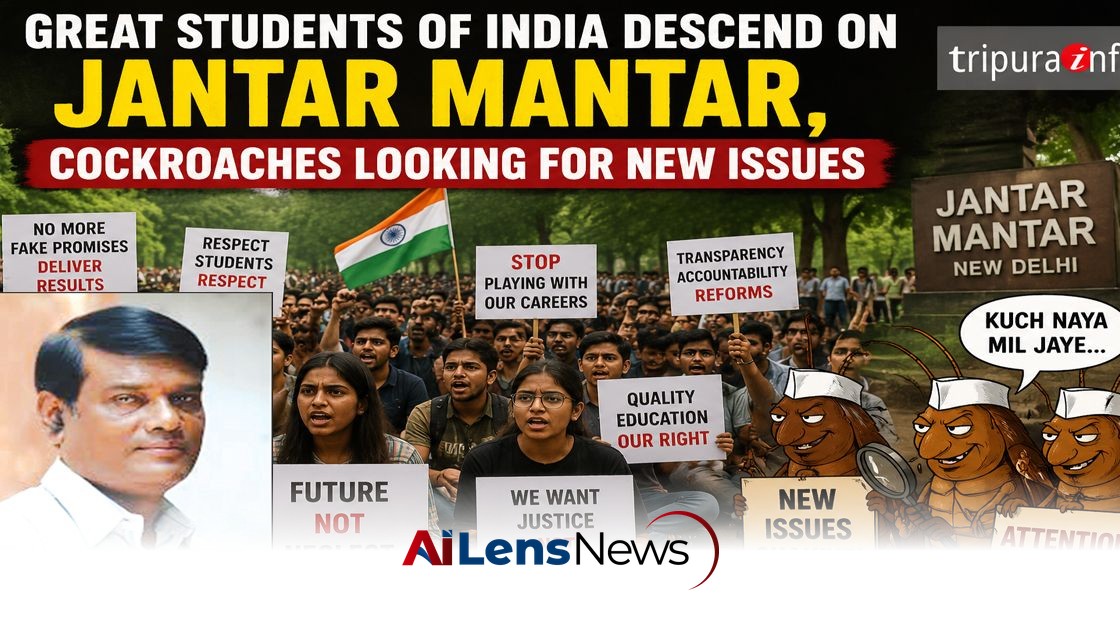


Students from across India gathered at Jantar Mantar to voice their concerns about educational reforms and quality. The event highlighted the need for urgent attention to student issues.
New Delhi, India Jul 25, 2026 ALN: On March 5, a significant gathering of students from various parts of India took place at Jantar Mantar, New Delhi, as part of the 11th edition of the ‘Raisina Dialogue’. This event aimed to address pressing educational issues and advocate for reforms that resonate with the youth's aspirations. Jantar Mantar, a historic site known for its role in various protests and movements, became a focal point for students who are increasingly vocal about their educational rights and needs.
The rally was marked by vibrant slogans and banners, with students expressing their demands for better educational policies. Among the key issues raised were the need for quality education, transparency in educational institutions, and a call for the government to prioritize student welfare. The students represented a diverse array of backgrounds, highlighting the universal nature of educational challenges faced across the country.
The atmosphere was charged with enthusiasm as students chanted slogans and shared their experiences, showcasing a united front in their quest for educational reform. The event served as a platform for students to articulate their concerns and demand action from policymakers. It also provided a space for students to connect with one another, fostering a sense of solidarity and shared purpose. The presence of various student organizations and activist groups underscored the collective effort to push for change, emphasizing that the movement for educational reform is gaining momentum across the nation.
The gathering at Jantar Mantar occurred against the backdrop of ongoing debates about the state of education in India. The country has made significant strides in expanding access to education over the past few decades, but challenges remain. Issues such as high dropout rates, particularly among marginalized communities, and the quality of education in rural versus urban areas continue to plague the system. The concerns raised by students at the rally reflect broader societal issues, including economic inequality and social justice, which are intricately linked to educational access and quality.
Moreover, the COVID-19 pandemic has exacerbated existing educational challenges, leading to a shift towards online learning that many students found inadequate. The digital divide has become more pronounced, with students from lower-income families lacking access to the necessary technology and internet connectivity to engage in remote learning effectively. This situation has prompted calls for more inclusive educational policies that account for the diverse needs of the student population.
As students continue to advocate for their rights and needs, it is essential for the government and educational authorities to listen and respond effectively to their demands. The rally at Jantar Mantar serves as a reminder of the power of youth activism in shaping policy discussions and driving change. The engagement of students in the political process is crucial, as they represent the future leaders and innovators of the country. Their voices must be heard and valued in discussions about educational reform.
In conclusion, the gathering at Jantar Mantar was not just a protest; it was a clarion call for change in the educational landscape of India. The students' demands for quality education, transparency, and a focus on their futures reflect a growing awareness of their rights and responsibilities as citizens. As India navigates the complexities of its educational challenges, the insights and experiences shared by students at this rally could play a pivotal role in shaping a more equitable and effective educational system for generations to come.
To learn more about the latest developments in Education News, stay updated with our exclusive reports and analyses on AiLensNews.

