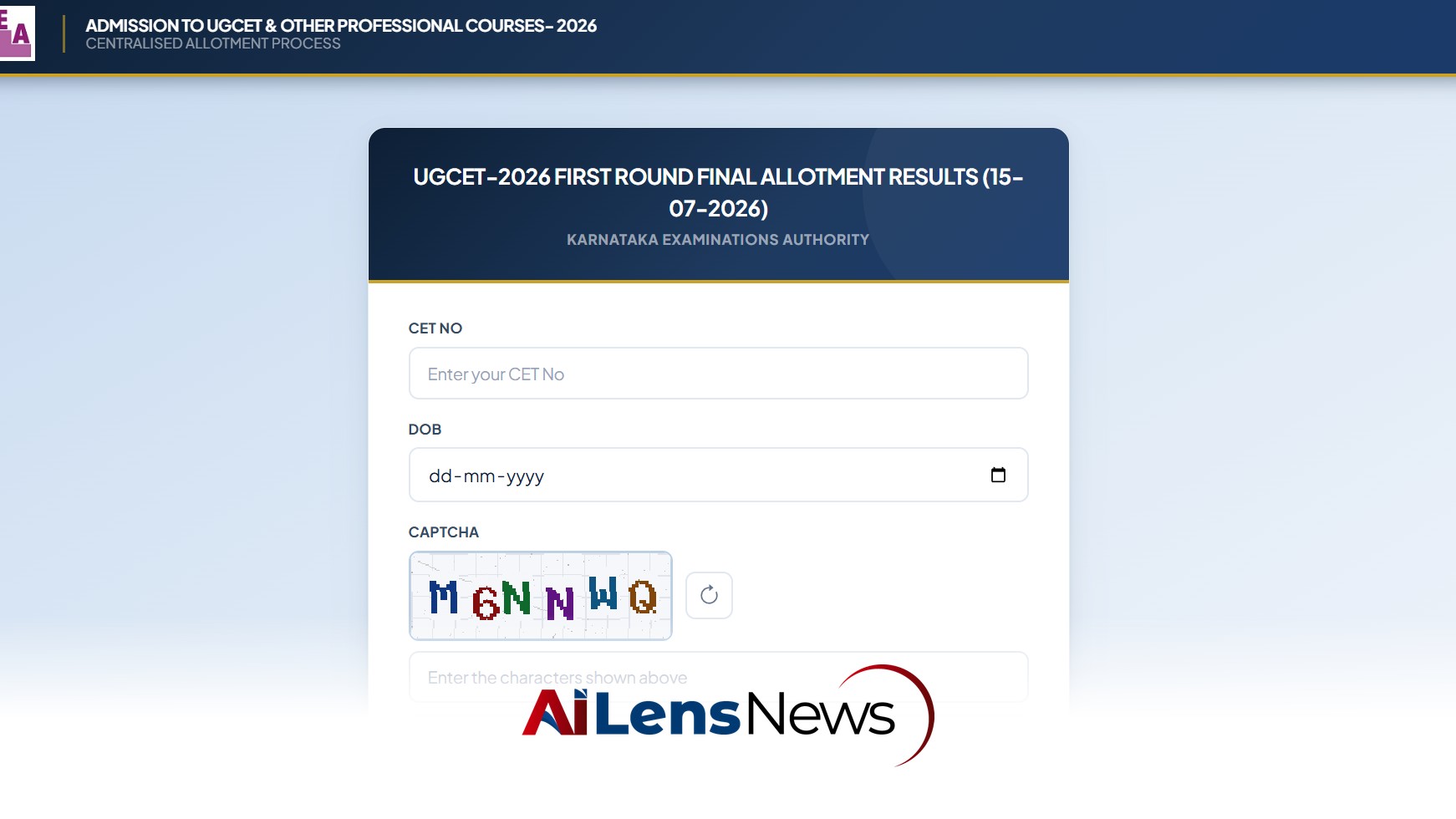


The Karnataka Examinations Authority has announced the final seat allotment results for KCET 2026. Candidates can check their status online.
New Delhi, India Jul 15, 2026 ALN: The Karnataka Examinations Authority (KEA) has officially released the KCET 2026 Round 1 final seat allotment results. This announcement is crucial for candidates who participated in the Karnataka Common Entrance Test (KCET) as it determines their admission into various professional courses. The KCET serves as a significant milestone in the academic journey of thousands of students across Karnataka, providing them with opportunities to pursue higher in fields that align with their career aspirations.
KCET is an important examination in Karnataka that facilitates entry into undergraduate programs in engineering, agriculture, pharmacy, and other professional courses across the state. The examination is a gateway for thousands of students aiming to secure a place in reputable institutions. The release of the final seat allotment results marks a pivotal moment in the admission process, as it not only reflects the performance of the candidates but also their choices and preferences during the counselling process. The KCET is not merely an examination but a comprehensive process that significantly impacts the al landscape of Karnataka.
Candidates can easily check their allotment status by visiting the official KEA website. To access their results, they will need to log in using their credentials. The allotment results are determined based on several factors, including merit, reservation category, and the choices filled during counselling. The merit list is primarily based on the scores achieved in the KCET, which are then compared against the cutoff marks set by various institutions for different courses. This merit-based system aims to ensure that the most qualified candidates are granted admission to their chosen programs, thereby fostering a competitive academic environment.
The reservation category plays a significant role in the allotment process. In Karnataka, a certain percentage of seats are reserved for different categories, including Scheduled Castes (SC), Scheduled Tribes (ST), Other Backward Classes (OBC), and economically weaker sections (EWS). These reservations are in place to ensure that students from various backgrounds have access to higher opportunities, promoting inclusivity and diversity in the academic environment. The reservation policy is a critical aspect of the al framework in , aimed at addressing historical injustices and providing equitable access to quality for all segments of society.
The choices filled during counselling also significantly influence the allotment results. Candidates are advised to carefully consider their options when filling out their preferences, as this can greatly impact their chances of securing a seat in their desired course and institution. The KCET counselling process involves multiple rounds, and candidates are often encouraged to stay updated on the latest information regarding seat availability and changes in allotment trends. This dynamic nature of the counselling process requires students to remain proactive and informed, as their decisions can have lasting implications on their academic and professional futures.
It is essential for selected candidates to download their allotment order promptly. This document is crucial, as it serves as proof of their admission and is required for further processes such as document verification and fee payment. Additionally, they must ensure that they pay the required admission fee within the stipulated time frame to secure their seat. The admission fee varies depending on the course and institution, and timely payment is necessary to avoid losing the allotted seat. This financial aspect of the admission process underscores the importance of planning and organization for students and their families, as they navigate the complexities of higher financing.
This process marks a significant step in the admissions journey for many students, as it sets the stage for their future academic pursuits. For many, this is a culmination of years of hard work and dedication, and securing a seat in a preferred course can greatly influence their career trajectories. The stakes are high, and students are often anxious about the outcome of the allotment process. This anxiety is compounded by the competitive nature of the KCET and the limited number of seats available in popular programs, making the results even more consequential for aspiring candidates.
Following the release of the seat allotment results, many students and their families are likely to engage in discussions about the next steps. Those who have received their allotment will need to prepare for the upcoming academic year, including arranging for accommodation, purchasing textbooks, and familiarizing themselves with the curriculum of their chosen courses. For those who did not receive a seat in the first round, there may still be opportunities in subsequent rounds of counselling, which could offer them a chance to secure admission in their desired program. This possibility of multiple rounds can alleviate some of the pressure on candidates, as it provides additional chances to secure a seat in their preferred course.
The KCET process is designed not only to streamline admissions but also to ensure that students receive a fair chance at securing a place in higher . The authority conducts the examination and the subsequent counselling process with the aim of maintaining transparency and fairness. Students are encouraged to reach out to the KEA for any clarifications or assistance regarding their allotment results or the admission process. The KEA's commitment to transparency is vital in fostering trust among students and parents, as it reassures them of the integrity of the admission process.
As the academic year approaches, institutions will begin to prepare for the influx of new students. This includes orientation programs, academic advising, and other resources to help incoming students transition smoothly into their new environment. Institutions also focus on creating a supportive atmosphere that fosters academic success and personal growth. The role of al institutions in this transition period cannot be overstated, as they are responsible for equipping students with the tools and resources necessary to thrive in their chosen fields of study.
In conclusion, the release of the KCET 2026 Round 1 final seat allotment results is a significant milestone for many aspiring students in Karnataka. It not only reflects their academic efforts but also sets the foundation for their future endeavors. As students navigate this critical phase, it is essential for them to stay informed, adhere to timelines, and engage with their respective institutions to ensure a successful start to their academic journey. The implications of this process extend beyond mere admission; they shape the al landscape and influence the career paths of countless individuals, making it a pivotal moment in the lives of students and their families.
To learn more about the latest developments in Education News, stay updated with our exclusive reports and analyses on AiLensNews.

