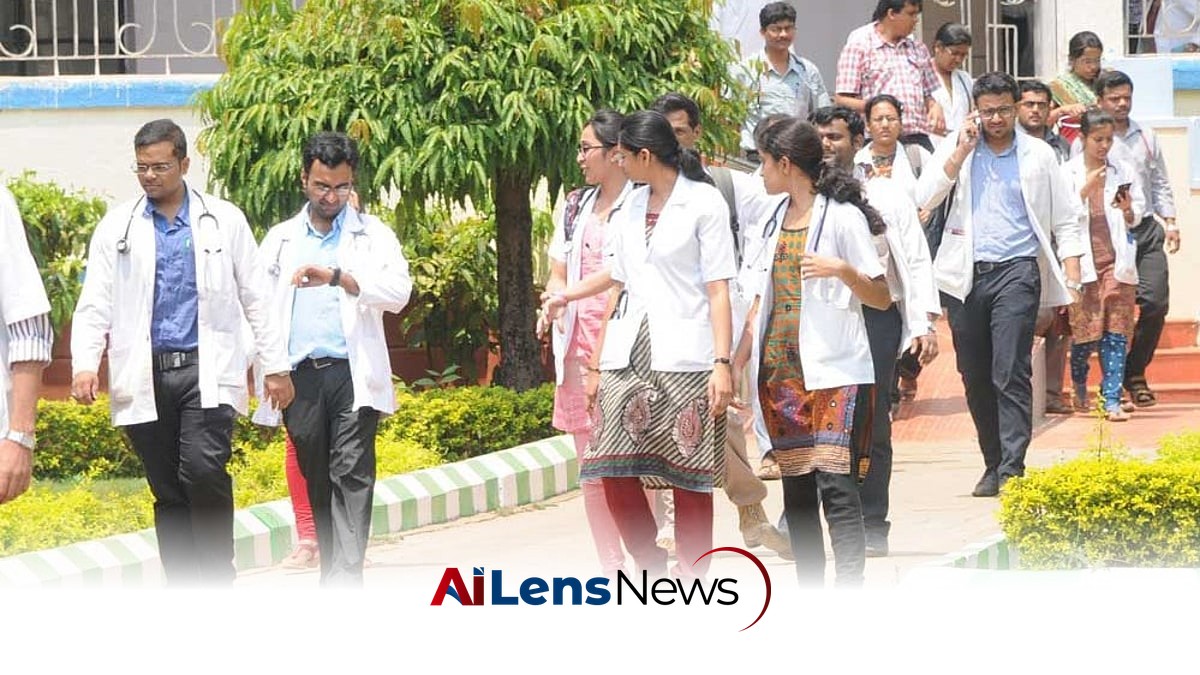


India's MBBS intake rises to 1,36,939 for 2026-27, with Karnataka adding the most seats. Private colleges drive the expansion amid regulatory changes.
New Delhi, India Jul 16, 2026 ALN: The National Medical Commission (NMC) has announced a significant increase in the number of MBBS seats available for the academic year 2026-27, approving an additional 9,911 undergraduate medical seats across India. This expansion brings the total MBBS intake in the country to 1,36,939 seats, marking a notable shift in the landscape of medical education in India.
As the demand for medical professionals continues to rise, driven by an increasing population and the growing complexity of healthcare needs, the expansion of MBBS seats is a crucial step towards addressing the shortage of qualified doctors in the country. The NMC's decision reflects a broader strategy to enhance medical education and healthcare accessibility across India.
While the increase in MBBS seats is a positive development, the data released by the NMC indicates that the majority of this growth has occurred in private medical colleges. This trend raises important questions about the accessibility and affordability of medical education in India, as private institutions often charge significantly higher tuition fees compared to their government counterparts.
Karnataka leads in MBBS seat count
Karnataka has emerged as a frontrunner in this expansion, adding the highest number of MBBS seats in the country. According to the NMC's latest seat matrix, Karnataka now boasts a total of 15,395 MBBS seats distributed across 75 medical colleges. This includes an increase of 150 seats in government medical colleges and a substantial addition of 1,150 seats in private colleges, making it the state with the most significant increase in MBBS seats this year.
Of the total MBBS seats in Karnataka, 4,400 are available in 24 government medical colleges, while 10,995 seats, or more than two-thirds of the state's total intake, are offered by 51 private medical colleges. This reliance on private institutions highlights the shifting dynamics of medical education in the state, where nearly 71 percent of MBBS seats are now provided by the private sector.
Uttar Pradesh and Maharashtra: A Different Perspective
While Karnataka leads in terms of MBBS seat intake, Uttar Pradesh and Maharashtra continue to dominate in the sheer number of medical colleges. Uttar Pradesh holds the record for the highest number of medical colleges in the country, with 88 institutions, followed closely by Maharashtra with 84, Tamil Nadu with 78, and Karnataka with 75. Despite having fewer colleges, Karnataka's strategic focus on expanding MBBS seats has allowed it to surpass these states in terms of total intake. Following Karnataka, Uttar Pradesh has 14,000 MBBS seats, Tamil Nadu has 13,999, and Maharashtra has 13,099.
This scenario illustrates a complex landscape where the number of colleges does not necessarily correlate with the number of available seats. Karnataka's proactive approach in expanding its MBBS offerings has positioned it as a leader in medical education, despite its lower number of colleges compared to Uttar Pradesh and Maharashtra.
Private sector continues to drive expansion
A closer examination of the national data reveals that the recent expansion of MBBS seats has been overwhelmingly driven by the private sector. Out of the 9,911 additional seats approved this year, 2,111 have been added in government medical colleges, while a staggering 7,800 seats have been introduced in private institutions. This disparity highlights the growing role of private colleges in shaping the future of medical education in India.
Moreover, of the 23 newly established medical colleges included in this year's seat matrix, 21 are private institutions, with only two being government-run. This trend raises concerns about the potential implications for public health and medical education quality, as the private sector often prioritizes profit over accessible education.
Currently, India has 441 government medical colleges offering a total of 63,296 seats and 382 private medical colleges providing 73,643 seats. Collectively, these institutions form a network of 823 medical colleges with a combined intake of 1,36,939 MBBS seats. The data underscores a significant shift towards private medical education, with private colleges now accounting for more than half of all MBBS seats in the country.
State-wise seat additions
In addition to Karnataka's substantial increase, several other states have recorded notable additions to their MBBS intake. Tamil Nadu, for example, has gained 950 additional MBBS seats for the upcoming academic year, bringing its total to 13,999. Rajasthan has also made strides, adding 900 undergraduate medical seats to reach a total of 8,080. Uttar Pradesh and Telangana have each increased their seat counts by 800, now boasting 14,000 and 10,250 MBBS seats, respectively.
This rapid increase in MBBS seats can be attributed in part to the regulatory changes introduced under the Graduate Medical Education Regulations (GMER), 2023. Previously, medical colleges could only apply for an increase in MBBS seats after their first batch had completed approximately four-and-a-half to five years of study. The new regulations have removed this requirement, allowing colleges to seek an increase in intake from the second year onwards, provided they meet the necessary infrastructure, faculty, and hospital requirements set forth by the NMC.
Implications for NEET aspirants
The expanded seat matrix comes at a crucial time, as it precedes the counseling process for the National Eligibility cum Entrance Test - Undergraduate (NEET-UG) 2026. This increase in available seats is expected to improve admission opportunities for aspiring medical students, potentially reducing competition and increasing the chances of securing a seat in medical college.
However, it is important to note that the majority of the new seats have been concentrated in private colleges, where tuition fees are generally much higher than those in government institutions. While the overall rise in seats may alleviate some competition, the issue of affordability remains a significant challenge for many aspiring medical students. The increased financial burden associated with private medical education may deter capable candidates who cannot afford the high tuition fees, thereby perpetuating inequalities in access to medical education.
In conclusion, the expansion of MBBS seats in India for the academic year 2026-27 represents a critical step towards addressing the growing demand for medical professionals. However, the predominant role of private institutions in this expansion raises important questions about accessibility, affordability, and the future of medical education in the country. As India continues to navigate these challenges, the implications for aspiring medical students and the healthcare system as a whole will be significant.
To learn more about the latest developments in Education News, stay updated with our exclusive reports and analyses on AiLensNews.

