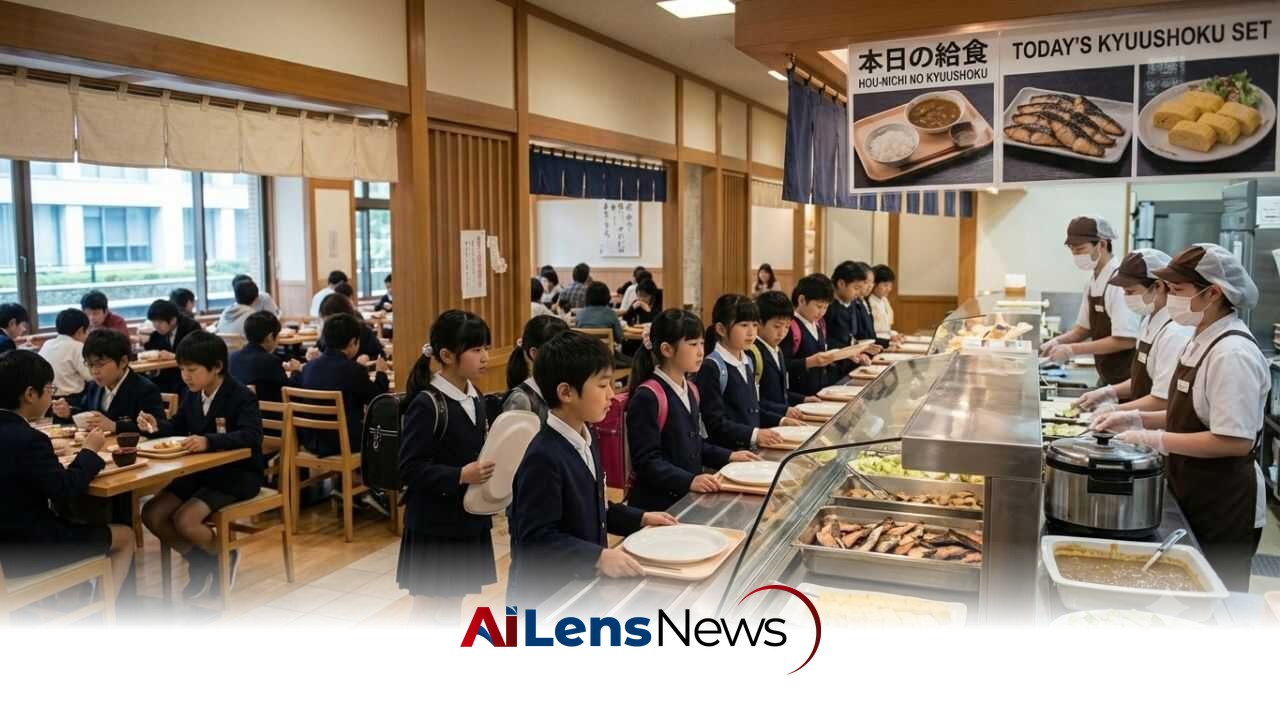


Explore how school lunches around the world reflect diverse cultures and nutritional approaches, from Japan's classroom dining to the US's taco offerings.
New Delhi, India Jul 2, 2026 ALN: School lunches worldwide reveal diverse approaches to student nutrition and cultural values. Each nation's system offers a unique glimpse into its priorities, showcasing how food on a child's plate reflects broader societal values. The way children are fed in schools not only impacts their physical health but also shapes their social interactions, cultural understanding, and even academic performance. This article explores various global school lunch systems, highlighting their unique features, benefits, and challenges.
Japan: Classroom Dining and Learning
In Japan, school lunches are more than just a meal; they are an integral part of the al experience. Known as "kyushoku," these lunches are carefully planned to provide balanced nutrition. Students participate in the preparation and serving of their meals, fostering a sense of responsibility and community. This practice not only teaches children about the importance of nutrition but also instills values of teamwork and respect for food. The meals typically include rice, fish, seasonal vegetables, and dairy, emphasizing nutrition and local ingredients. The Japanese government has established guidelines to ensure that school lunches are nutritionally adequate, which has contributed to some of the lowest rates of childhood obesity in the world.
Moreover, the Japanese school lunch system is designed to be al. During lunch, students often engage in conversations about the food they are eating, discussing its origins and health benefits. This approach encourages children to develop a positive relationship with food, promoting lifelong healthy eating habits. The cultural significance of food in Japan is deeply rooted, and the school lunch system reflects this ethos by treating meals as an opportunity for learning rather than just sustenance.
United States: A Melting Pot of Options
In the United States, school lunches vary widely from state to state and even district to district. The diversity of the American population is mirrored in its school lunch offerings, which can range from traditional favorites like pizza and burgers to more health-conscious choices such as salads and whole grains. The National School Lunch Program (NSLP), established in 1946, provides federal assistance to schools to ensure that students receive nutritious meals. However, the program has faced criticism over the years for allowing unhealthy options to remain prevalent.
In recent years, there has been a growing trend towards healthier options in school lunches, driven by increased awareness of childhood obesity and related health issues. The introduction of updated government guidelines has aimed to improve nutritional standards, requiring schools to offer more fruits, vegetables, and whole grains while limiting sodium and saturated fats. Many schools are also incorporating local produce into their menus, supporting local farmers and providing fresher options for students.
Despite these positive changes, challenges remain. Many schools still struggle with budget constraints, leading to a reliance on processed foods that may be easier to prepare and serve. Additionally, there is a significant disparity in the quality of school lunches across different regions, often reflecting socioeconomic factors. Some districts are making strides towards improvement by partnering with nutritionists and local farms, while others lag behind.
Australia: The Packed Lunch Culture
Australia's school lunch scene is characterized by packed lunches, with parents often preparing meals at home. The typical Australian lunchbox may include sandwiches, fruits, yogurt, and snacks, allowing for a degree of personalization. However, this system raises concerns about nutritional balance, as not all parents may have the knowledge or resources to prepare healthy meals. In response, schools are increasingly promoting healthy eating initiatives to guide parents in making better choices for their children.
In many Australian schools, programs are in place to educate students about nutrition and healthy eating habits. These initiatives often include cooking classes, gardening programs, and workshops aimed at teaching children how to prepare nutritious meals. The Australian government has also launched campaigns to encourage healthier eating in schools, emphasizing the importance of fruits and vegetables in children's diets.
Moreover, the packed lunch culture fosters a sense of individuality and creativity in meal preparation. However, it can also lead to social dynamics where children compare their lunches, potentially leading to feelings of inadequacy or peer pressure. As such, schools are working to create inclusive environments that promote healthy eating without stigmatizing those who may have less desirable lunch options.
France: A Culinary Tradition
French school lunches are known for their emphasis on quality and variety. Meals are often served in a multi-course format, including a starter, main dish, cheese, and dessert. This approach not only nourishes students but also educates them about culinary traditions and the importance of enjoying food. The French system places a strong emphasis on teaching children about food culture, and school lunches are a vital component of this .
The French government has implemented strict regulations regarding school meals, ensuring that they meet high nutritional standards. This includes a focus on fresh, seasonal ingredients and a commitment to reducing processed foods. The goal is to instill a love for good food and healthy eating from a young age. Additionally, French schools often prioritize communal dining experiences, where students eat together in a relaxed atmosphere, fostering social interaction and a sense of community.
However, challenges remain in maintaining these standards, particularly in the face of budget constraints and changing dietary preferences. Some schools have begun to adapt their menus to accommodate vegetarian and vegan diets, reflecting the evolving landscape of food choices in France and beyond.
: Diverse Regional Offerings
In , school lunches can vary significantly based on regional cuisines and cultural practices. Meals are often homemade and reflect local agricultural practices, with a focus on staple foods such as rice, lentils, and vegetables. The Mid-Day Meal Scheme, launched by the n government in 1995, aims to provide nutritious meals to children in government schools, promoting both health and . This program has been instrumental in improving attendance rates and reducing malnutrition among school-aged children.
The diversity of ’s culinary landscape means that school lunches can include a wide range of dishes, from rice and dal in the south to chapatis and sabzi in the north. The meals are often prepared with an emphasis on local ingredients, promoting sustainability and supporting local farmers. However, challenges such as food safety, nutritional adequacy, and resource allocation remain critical issues that need to be addressed.
The Mid-Day Meal Scheme has been praised for its role in providing essential nutrition to millions of children, but it has also faced criticism regarding the quality of food served and the need for better implementation at the state and local levels. Efforts are ongoing to enhance the program, including training for cooks and nutritionists to ensure meals are not only sufficient in quantity but also in quality.
Conclusion
Across the globe, school lunches serve as a reflection of cultural values and priorities. Whether through government-backed meals, classroom dining experiences, or packed lunches, each system highlights the importance of nutrition in shaping the future of children. Understanding these varied lunchtime realities can offer insights into how societies prioritize health and . As countries continue to evolve their approaches to school meals, the lessons learned from different systems can inform best practices and contribute to a healthier, more equitable future for students worldwide.
To learn more about the latest developments in Education News, stay updated with our exclusive reports and analyses on AiLensNews.

