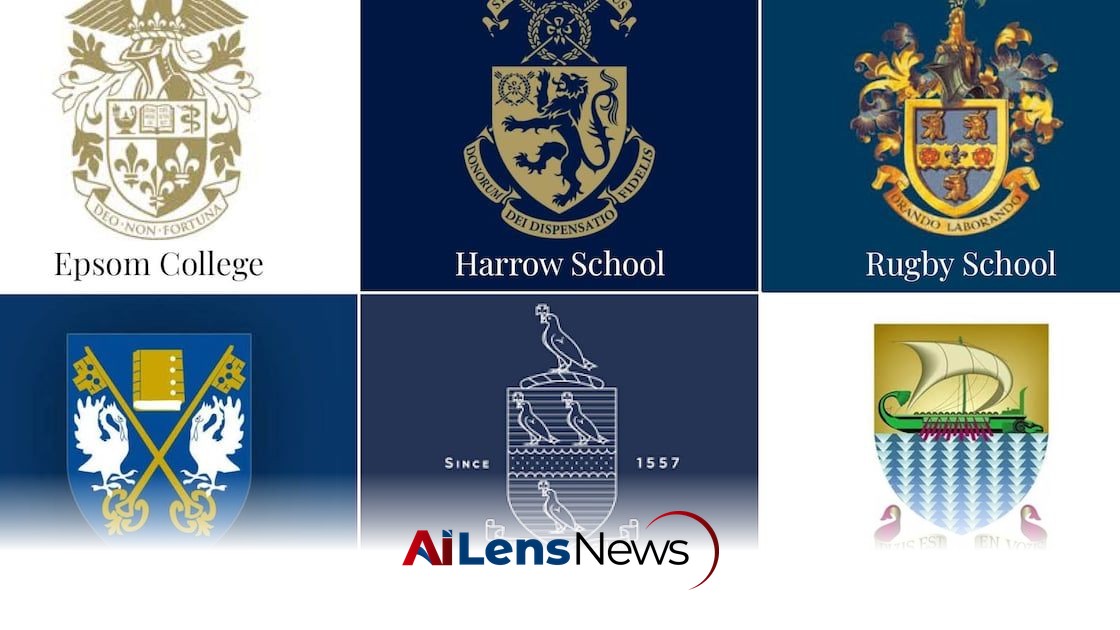


A surge in British private schools is transforming the educational landscape in the UAE, catering to a growing demand among local parents.
Riyadh, Saudi Arabia Jul 12, 2026 ALN: As British private schools face challenges at home, many are turning their attention to the UAE, where demand for quality education is on the rise. Epsom College, for instance, is set to expand its presence in the Gulf region, with plans to open several more branches in addition to the two already announced in the UAE.
Confirmed plans include a mixed-gender K-12 campus in Abu Dhabi, scheduled to open in September 2028, followed by a Dubai branch two years later. Each branch is expected to accommodate between 2,000 and 2,500 pupils, reflecting the UAE's growing population and the consequent demand for school places. This expansion is indicative of a larger trend where British educational institutions are increasingly looking beyond their traditional markets to establish a foothold in regions experiencing rapid growth.
The expansion is being carried out in partnership with Nema Education, which is one of several investors backing the establishment of British-linked schools in the region. This initiative comes at a time when the UAE's population is projected to continue increasing, further fueling the need for educational facilities. The UAE has become a hub for expatriates, with a diverse population that includes a significant number of British nationals, making the establishment of British schools a logical step to cater to this demographic.
Among the notable institutions set to open in the UAE is a branch of Rugby School, renowned as the birthplace of rugby, which will collaborate with Aldar Education for its Dubai campus. Additionally, Queen Elizabeth’s School is set to open next month in Dubai Sports City, while Harrow Dubai, operated by Taaleem Holdings, is scheduled to launch next year. These schools are not just expanding educational options but are also bringing unique cultural and sporting traditions to the UAE.
Harrow Abu Dhabi will also break new ground by offering boarding facilities, a first for the UAE. This move is particularly significant as it caters to the needs of families who may prefer a boarding school environment for their children. Other prestigious schools, such as Gordonstoun, attended by King Charles III, and King’s College School Wimbledon, are also planning to establish branches in the region, with openings anticipated in 2027. These institutions are known for their rigorous academic programs and holistic approach to education, which may appeal to parents seeking comprehensive development for their children.
The recent surge in British private schools represents a significant shift in the educational landscape. Historically, institutions like Repton Dubai and Brighton College were among the first to establish a foothold in the UAE, with Brighton College opening its Abu Dhabi branch in 2011 and expanding to Al Ain and Dubai in subsequent years. The presence of these schools has paved the way for newer institutions to enter the market, thereby increasing competition and educational standards.
Dr. Mark Abell, a lawyer advising UK private schools on international expansion, noted that the market in Dubai and Abu Dhabi reached saturation in the early 2010s, leading some institutions to struggle with differentiation. However, with improving regional economic conditions, demand for quality education has surged, prompting this new wave of school openings. The UAE's strategic location and its status as a global business hub have attracted expatriates from around the world, further necessitating the need for high-quality educational options.
Yigit Saf, a partner at Arthur D Little in the UAE, highlighted that the rapid growth of Dubai is a key driver for K-12 education demand. He pointed out that approximately 30 to 35 percent of students in the UAE are enrolled in British-based curriculums, creating a ready market for these schools. This statistic underscores the popularity of the British education system among expatriate families, who often seek familiar curriculums that align with their home country's educational standards.
Nema Education is among several investors looking to capitalize on the anticipated demand for school places in the UAE, driven by ambitious population growth plans. The Dubai Urban Master Plan 2040 predicts the emirate’s population will reach 7.8 million by the end of the next decade, nearly double the current figure. This projection signals a pressing need for additional educational infrastructure to accommodate the influx of new residents.
Mark Lascelles, head of Epsom College in Surrey, expressed renewed confidence in expanding into the UAE, emphasizing the potential for British schools to thrive in this evolving educational landscape. The establishment of these schools is not just about filling seats; it’s about providing a quality education that meets the expectations of parents and students alike.
In conclusion, the influx of British private schools into the UAE not only meets the growing demand for quality education but also reflects a broader trend of international educational institutions seeking opportunities in emerging markets. As these schools establish themselves, they will likely play a pivotal role in shaping the future of education in the region. The implications of this trend extend beyond mere numbers; they encompass cultural exchange, the introduction of new pedagogical methods, and the enhancement of educational standards across the board. The UAE's commitment to becoming a global education hub positions it well to benefit from these developments, potentially attracting even more international schools in the future.
While the expansion of British private schools into the UAE presents numerous opportunities, it also comes with its set of challenges. One significant challenge is the need to maintain educational quality while scaling operations. As schools expand rapidly, they must ensure that their teaching standards and curriculum delivery remain consistent across all branches. This is particularly important for prestigious institutions that have built their reputations on academic excellence.
Additionally, the competition among schools can lead to a dilution of educational quality if institutions prioritize enrollment numbers over student outcomes. Parents are increasingly discerning, looking for schools that not only adhere to the British curriculum but also offer unique value propositions such as extracurricular activities, pastoral care, and individual attention to students. Schools will need to differentiate themselves through innovative programs and a strong community ethos to attract and retain students.
Moreover, as more British schools enter the market, they will need to navigate the regulatory landscape of the UAE’s education sector. The UAE's Ministry of Education has specific guidelines and standards that schools must adhere to, which can vary between emirates. Understanding and complying with these regulations will be crucial for the successful establishment and operation of new schools.
The influx of British private schools into the UAE is likely to have a profound impact on the local education sector. With the introduction of new schools, there will be an increase in competition, which can lead to improvements in the quality of education across the board. Local schools may feel pressured to enhance their offerings, leading to a more dynamic educational environment that benefits all students.
This competitive landscape can also foster innovation in teaching methodologies and curriculum design, as schools strive to differentiate themselves. The presence of international schools may encourage local institutions to adopt best practices from around the world, incorporating diverse educational philosophies that cater to a multicultural student body.
Furthermore, the establishment of British schools can contribute to the professional development of educators in the region. As these institutions often bring experienced staff from the UK, local teachers may have opportunities to collaborate and learn from their international counterparts, enhancing their skills and teaching practices.
Beyond academic considerations, the arrival of British private schools in the UAE also facilitates cultural exchange and community integration. These schools often emphasize not only academic achievement but also the importance of cultural awareness and social responsibility. By incorporating local customs and traditions into their curricula, they can help foster a sense of belonging among expatriate students while promoting understanding and respect for the UAE's rich heritage.
Moreover, British schools often engage in community service initiatives, encouraging students to contribute positively to their local environments. This aspect of education helps students develop a sense of citizenship and responsibility, which is essential in today’s interconnected world. As these schools establish strong ties with local communities, they can play a crucial role in bridging cultural divides and fostering goodwill.
In summary, the expansion of British private schools into the UAE is a multifaceted development with significant implications for the educational landscape, the local community, and the broader cultural exchange. As these institutions establish themselves, they will not only cater to the educational needs of a growing expatriate population but also contribute to the overall enhancement of educational standards and community integration in the region.
To learn more about the latest developments in Education News, stay updated with our exclusive reports and analyses on AiLensNews.

