

ENWO president Yingphe Konyak highlights the exploitation of children in Naga households, urging societal action to protect their rights and education.
Kohima, India Jul 11, 2026 ALN: The issue of child labour, particularly in the context of education, has become a pressing concern in many parts of the world, including the Naga region of India. The recent remarks by Yingphe Konyak, President of the Eastern Women Organisation (ENWO), shed light on the troubling reality faced by many children in Naga households. During a sensitization programme held in Mokokchung, Konyak emphasized the exploitation of children who are often brought into homes under the guise of education but are instead subjected to domestic labour.
This alarming trend raises significant questions about the treatment of vulnerable children and the responsibilities of families who take in these young individuals. Konyak's keynote address highlighted that many children arrive in urban areas with aspirations for education, believing they will be treated with care and respect. However, the stark reality is that these children frequently find themselves deprived of the educational opportunities they were promised and instead are forced into labour.
In her address, Konyak poignantly stated, "Children are not sent to your homes to become labourers. They come with dreams and vision, hoping to study and become someone in society." This statement encapsulates the essence of the issue at hand. Many families may not fully understand the impact of their actions on these children's futures. By treating them as mere workers rather than nurturing them as individuals with potential, they are perpetuating a cycle of exploitation that can have long-lasting effects on the children involved.
The Naga region, particularly Mokokchung, is known to accommodate a significant number of students from Eastern . Konyak urged families to reflect on their roles and responsibilities towards these children, emphasizing that they should be treated with the same care and dignity as one's own children. This call to action highlights the need for a collective societal effort to ensure that children are not only protected but also empowered to pursue their dreams.
Furthermore, Konyak's remarks about unequal treatment within households resonate with broader societal issues. The example she provided, where one child receives warm rice while another is given cold rice, serves as a metaphor for the disparities that exist within families. Such unequal treatment can lead to feelings of inferiority and neglect among the children who are supposed to be cared for. This inequality can have detrimental effects on their self-esteem and overall development.
In addition to family dynamics, Konyak called for a broader societal response to the protection of children. She emphasized that the responsibility of safeguarding children should not fall solely on government agencies. Instead, she urged churches, community organizations, and village councils to take proactive roles in addressing issues related to child welfare. This call for community involvement is crucial, as it recognizes that collective action is necessary to combat the systemic issues that lead to child exploitation.
Moreover, Konyak expressed her concern over the increasing incidence of sexual violence and abuse against children, which was once rare in Naga society. She questioned whether advancements in education and technology have truly translated into moral progress. This concern is particularly relevant in a society where traditional values are being challenged by modern influences. The rise in violent crimes against children signals a need for a re-examination of societal norms and values, as well as the mechanisms in place to protect the most vulnerable members of the community.
Konyak's call for civil society organizations to expand their focus beyond issues like alcohol and drug abuse to include education and healthcare is also significant. She highlighted the need to address the root causes of child exploitation and to advocate for better healthcare facilities, particularly for women and children. The lack of adequate healthcare services can have dire consequences, including maternal mortality and preventable diseases that disproportionately affect vulnerable populations.
On the topic of women's empowerment, Konyak pointed out that despite visible progress in urban areas, gender inequality remains deeply entrenched in society. She argued that discrimination often begins at home, where traditional gender roles are reinforced. The notion that girls should be taught to compromise while boys are encouraged to lead perpetuates a cycle of inequality that can hinder women's progress in society. This observation underscores the need for a cultural shift in how gender roles are perceived and enacted within families.
In her closing remarks, Konyak urged mothers to encourage their daughters to pursue education and leadership roles. She emphasized that lasting social change must begin at home, where values of respect and equality can be instilled in the next generation. By fostering an environment where girls are empowered to stand up for their rights and pursue their dreams, families can contribute to a more equitable society.
The sensitization programme also featured technical presentations from various resource persons who addressed critical issues related to child protection and women's empowerment. These presentations provided valuable insights into government schemes aimed at supporting women and children, as well as the legal frameworks in place to combat gender-based violence and child marriage. The discussions emphasized the importance of community involvement in reporting abuse and providing support to those in need.
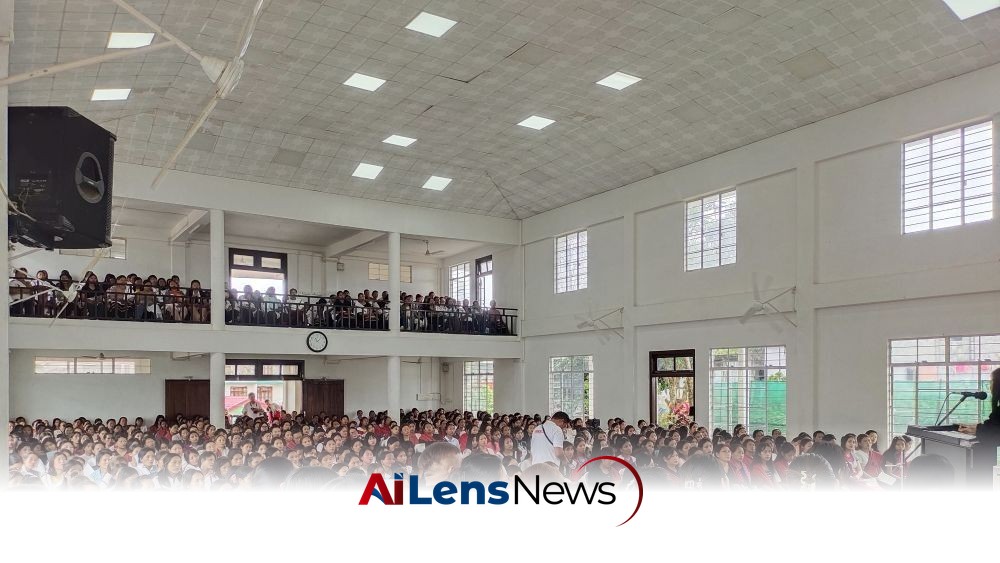
Overall, the programme was well-attended, with over 700 participants engaging in discussions about the challenges facing children and women in the Naga region. The collective effort of organizations like ENWO, SANKALP, and the District Child Protection Unit highlights the importance of collaboration in addressing these pressing social issues. As the community grapples with the complexities of child labour and gender inequality, it is clear that a multifaceted approach is needed to create lasting change.
In conclusion, the remarks made by Yingphe Konyak serve as a crucial reminder of the responsibilities that families and communities have towards children. By prioritizing education and protecting the rights of the most vulnerable, society can work towards a future where every child has the opportunity to realize their dreams and contribute positively to their communities.
To learn more about the latest developments in Education News, stay updated with our exclusive reports and analyses on AiLensNews.

