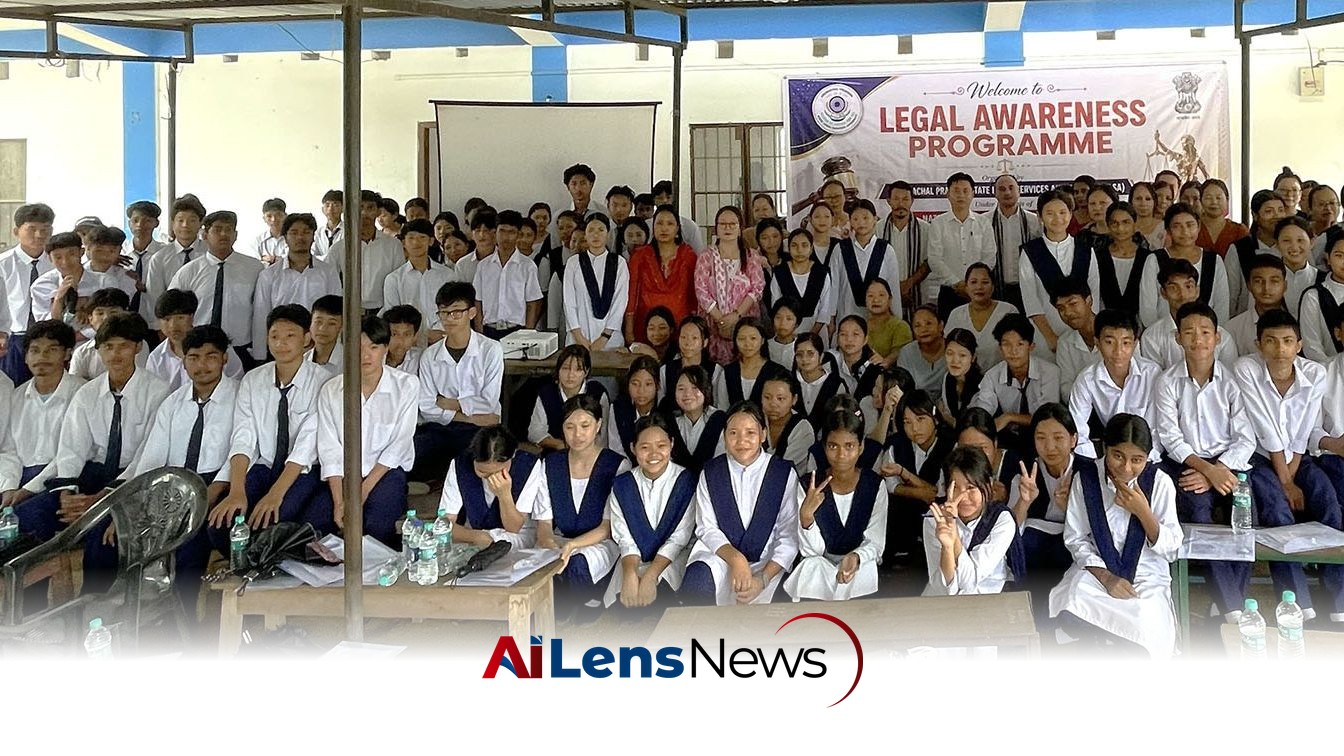


A legal awareness program organized by APSLSA in Naharlagun benefited over 150 students and teachers, covering key legal topics and rights.
Itanagar, India Jul 11, 2026 ALN: Over 150 students and teachers from the Police Colony Government Secondary School, along with Ward 2 cooperator Tai Taksing, participated in a legal awareness program organized by the State Legal Services Authority (APSLSA) on Friday. This event is part of a broader initiative aimed at promoting legal literacy among young individuals and the community at large, ensuring that they are informed about their rights and the legal frameworks that protect them.
The APSLSA, which operates under the larger umbrella of the National Legal Services Authority (NALSA), has a mission to provide free legal services to marginalized and disadvantaged sections of society. Legal awareness programs, such as the one held in Naharlagun, play a crucial role in achieving this mission. They serve not only to educate attendees about existing laws but also to empower them to utilize these laws effectively in their lives. This empowerment is particularly important in a society where many individuals may not have easy access to legal information or resources.
The program featured presentations by APSLSA advocates Iken Ado and Terji Gamlin, who conducted technical sessions on several important legal topics. These included the Protection of Children from Sexual Offences (POSCO) Act, the Right to Education Act, the Juvenile Justice Act, prevention of child marriage, anti-human trafficking laws, and drug abuse prevention. Each of these topics is vital in addressing contemporary social issues that affect children and young adults, providing them with the knowledge necessary to navigate potential legal challenges. The inclusion of these subjects reflects a comprehensive approach to legal education, recognizing the interconnectedness of various legal issues.
The Protection of Children from Sexual Offences (POSCO) Act, for instance, is a significant piece of legislation aimed at safeguarding children from sexual abuse and exploitation. By educating students about this act, the APSLSA aims to equip them with the understanding needed to recognize abuse and seek help. The act is a crucial tool in protecting vulnerable children and ensuring that those who perpetrate such crimes are held accountable. Similarly, the Right to Education Act ensures that every child has access to quality education, which is essential for their development and future opportunities. This act not only mandates free and compulsory education for children but also emphasizes the importance of quality in education, which can have long-term effects on a child's life trajectory.
Furthermore, the Juvenile Justice Act addresses the treatment of minors in conflict with the law, emphasizing rehabilitation over punishment. This act is particularly important in fostering a more compassionate approach to juvenile delinquency, recognizing that young individuals often require guidance rather than condemnation. The discussions around the prevention of child marriage and anti-human trafficking laws are equally critical, as these issues continue to plague many communities, undermining the rights and futures of young people. Child marriage, for instance, not only violates the rights of children but also has detrimental effects on their health, education, and overall well-being.
In addition to these legislative frameworks, the advocates discussed various initiatives under NALSA, such as ASHA, SAATHI, DAWN, the Legal Service Management System (LSMS), and the provision of free legal aid services. Each of these initiatives is designed to enhance access to legal resources and support for individuals who may not otherwise have the means to seek legal assistance. For example, the ASHA initiative focuses on providing legal aid to women and children, recognizing their unique vulnerabilities and the need for targeted support. Meanwhile, SAATHI aims to support marginalized communities in understanding and asserting their legal rights, thereby fostering a more equitable society.
The Legal Service Management System (LSMS) represents a modern approach to managing legal aid services, ensuring that assistance is provided efficiently and effectively to those in need. This system streamlines the process of accessing legal aid, making it easier for individuals to receive the help they require. The mention of the NALSA toll-free helpline (15100) is particularly significant, as it offers immediate access to legal advice and assistance, breaking down barriers that individuals might face when seeking help. This helpline serves as a vital resource, especially for those who may be hesitant to approach legal professionals due to fear, stigma, or lack of knowledge about their rights.
The program was coordinated by APSLSA member-secretary Tadu Tamang, who played a key role in organizing the event and ensuring that it met its objectives. The session concluded with an interactive segment, allowing students to ask questions directly to the advocates. This engagement is crucial, as it not only clarifies doubts but also encourages students to think critically about legal issues that may affect them personally or within their communities. Such interactions foster a sense of agency among the youth, empowering them to voice their concerns and seek solutions.
Adv. Inao Janan Singpho described the session as informative, reflecting the positive impact of the program on the attendees. This feedback underscores the importance of such initiatives in fostering a culture of legal awareness and empowerment among young people. By encouraging questions and discussions, the program helps demystify legal concepts and makes the law more accessible to those who might feel intimidated or overwhelmed by it. This approach not only enhances understanding but also inspires a generation to engage with legal matters proactively.
This initiative by APSLSA aims to enhance legal literacy among students and the community, empowering them with knowledge about their rights and the legal resources available to them. The implications of such programs extend beyond mere awareness; they can lead to more informed citizens who are capable of advocating for themselves and others. In an era where legal issues can significantly impact one's life, equipping young individuals with the necessary knowledge is a proactive step toward building a more just and equitable society. Knowledge of legal rights is fundamental in fostering a sense of justice and accountability, which is essential for the development of a healthy democracy.
In conclusion, the legal awareness program held in Naharlagun is a commendable effort by the APSLSA to bridge the knowledge gap regarding legal rights and resources among students and teachers. As more such programs are implemented across various regions, it is hoped that they will contribute to a more informed populace that understands the importance of legal frameworks in safeguarding their rights and well-being. The ongoing commitment of organizations like APSLSA and NALSA to promote legal literacy is essential in creating a society where individuals are empowered to navigate the complexities of the law with confidence. As legal literacy continues to grow, it is anticipated that communities will become more resilient and capable of addressing their legal challenges effectively.
To learn more about the latest developments in Education News, stay updated with our exclusive reports and analyses on AiLensNews.

