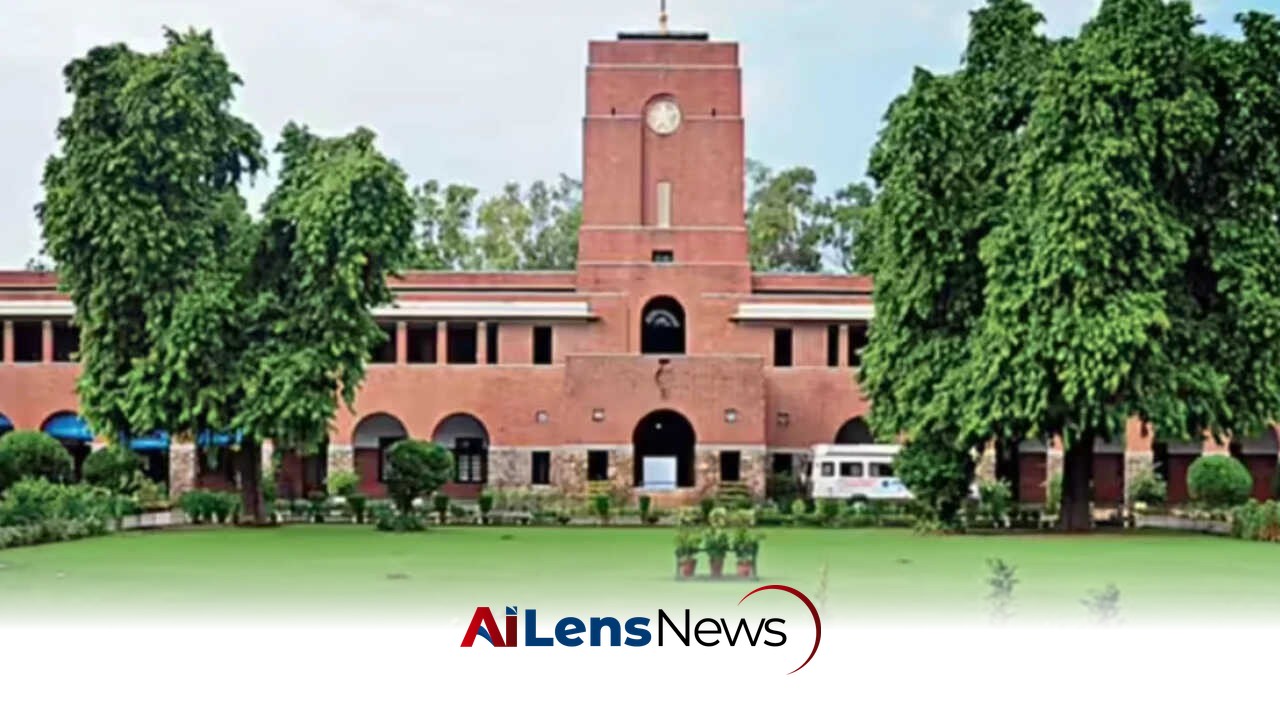


Delhi University has launched its inaugural one-year postgraduate programmes, offering 14,600 seats across 46 new courses. Registration ends July 11.
New Delhi, India Jul 9, 2026 ALN: Delhi University has opened admissions for its first-ever one-year postgraduate programmes, marking a significant shift in its academic framework. The introduction of these programmes aims to cater to the evolving needs of students, reflecting broader changes in global al trends and workforce demands. This initiative is particularly timely as the job market increasingly values not just higher but also the ability to adapt and acquire new skills quickly. In a world where technological advancements and market dynamics are constantly changing, al institutions must respond proactively to ensure that their graduates are well-prepared for the challenges ahead.
The university is offering a total of 46 new one-year PG courses specifically designed for graduates who have completed a four-year undergraduate degree. This is noteworthy as traditionally, many postgraduate programmes in have followed a two-year structure, which has been the norm for decades. The decision to introduce one-year courses is likely influenced by various factors, including the need for more specialized knowledge in rapidly changing industries, the desire for al institutions to remain competitive, and the increasing number of students looking to enter the workforce sooner. As industries evolve, the demand for professionals equipped with the latest skills and knowledge becomes paramount, necessitating a shift in how al programmes are structured.
In addition to these new offerings, Delhi University continues to provide 74 existing two-year programmes for students seeking a more traditional postgraduate experience. This dual approach allows the university to cater to a broader range of student preferences and career aspirations. Students who prefer a more in-depth learning experience can still opt for the longer programmes, while those looking for expediency can take advantage of the new one-year courses. This flexibility is essential in accommodating diverse student needs, as individuals come from various academic backgrounds and have different career goals.
With nearly 14,600 seats available, this initiative represents a substantial opportunity for students looking to further their in a shorter timeframe. The new one-year courses are expected to attract a diverse group of candidates eager to enhance their qualifications and skills. This diversity is crucial as it enriches classroom discussions and fosters a collaborative learning environment, benefiting all students involved. Furthermore, the increased number of seats indicates that the university is prepared to accommodate a large influx of applicants, potentially leading to a more competitive admission process. The rise in applications could also enhance the quality of , as a competitive environment often drives institutions to improve their offerings and support systems.
Interested candidates can complete the online registration process by July 11. It is advisable for applicants to prepare their documents and ensure they meet the eligibility criteria before applying. The online registration process is designed to be user-friendly, reflecting the university's commitment to leveraging technology to facilitate access to . This move is particularly important in the current digital age, where online learning and virtual interactions have become commonplace. By streamlining the application process, Delhi University is making it easier for prospective students to engage with their al offerings, thereby increasing accessibility to higher .
This move by Delhi University is seen as a response to the increasing demand for flexible and accelerated postgraduate , allowing students to enter the workforce sooner while still obtaining advanced qualifications. The labour market is evolving rapidly, with many industries seeking candidates who can demonstrate both knowledge and practical skills. One-year programmes are often more aligned with this need, as they can be tailored to meet the specific requirements of various sectors. For example, fields such as information technology, business management, and healthcare are constantly changing, and professionals in these areas must stay updated with the latest trends and practices.
Moreover, the introduction of these programmes aligns with global trends where many universities around the world are offering accelerated degrees. Countries such as the United States and the United Kingdom have long provided one-year master's degrees, particularly in fields like business and law. By adopting a similar model, Delhi University not only enhances its appeal to prospective students but also positions itself as a progressive institution that is responsive to global al standards. This alignment with international practices could also facilitate student exchange programs and collaborations with foreign universities, further enriching the academic environment at Delhi University.
The implications of this shift extend beyond individual career trajectories. By increasing access to postgraduate and offering a variety of programme lengths, Delhi University is contributing to the overall upliftment of al standards in the region. This initiative could potentially lead to a more skilled workforce, which is essential for economic growth and development. A more educated populace can drive innovation, enhance productivity, and contribute to a more competitive economy. Additionally, the availability of diverse al pathways can encourage lifelong learning, as individuals may seek to upskill or reskill throughout their careers.
In summary, the launch of these one-year postgraduate programmes at Delhi University not only expands the academic offerings but also aligns with contemporary al trends, providing students with more options to pursue their career goals. As the landscape of higher continues to evolve, the university's willingness to adapt and innovate will be crucial in meeting the needs of future generations of students. The ability to offer various programme lengths and formats reflects an understanding of the diverse needs of today's learners, who may balance with work and personal commitments.
As students consider their postgraduate options, they will likely weigh the benefits of shorter programmes against the depth of knowledge offered by traditional two-year courses. This decision-making process will be influenced by various factors, including individual career goals, financial considerations, and personal circumstances. The university's new offerings are a significant development in the higher system, and their impact will likely be felt for years to come. The introduction of one-year postgraduate programmes could also inspire other institutions in the country to reevaluate their course structures, leading to a broader transformation in al practices across .
To learn more about the latest developments in Higher Education, stay updated with our exclusive reports and analyses on AiLensNews.

