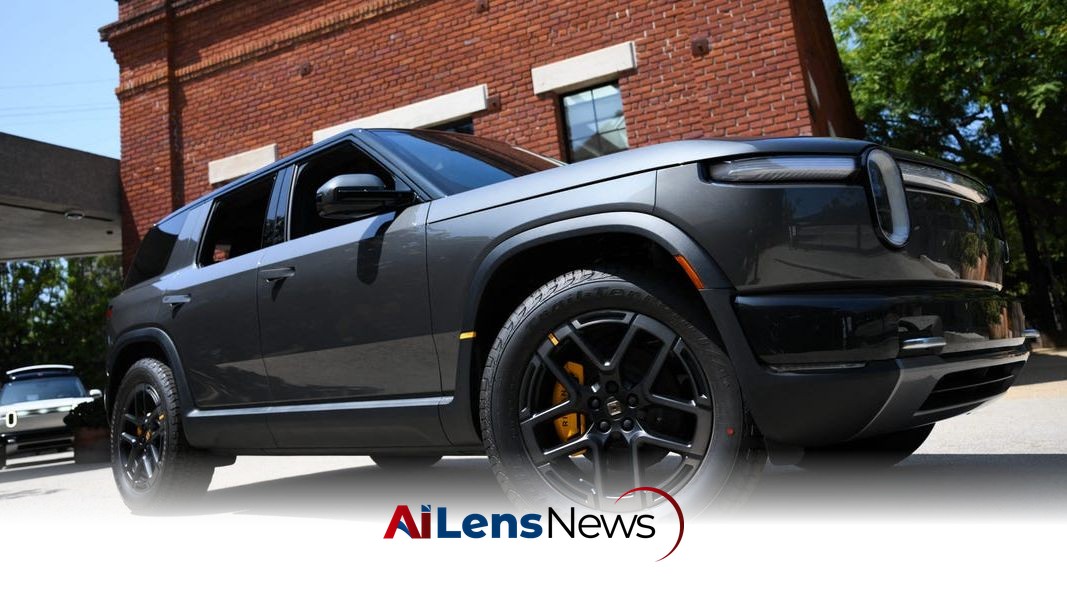


California's new EV incentive program, signed by Gov. Gavin Newsom, offers first-time buyers a $3,500 rebate while exempting local manufacturers from price caps.
Washington DC, United States Jul 14, 2026 ALN: California has long been at the forefront of electric vehicle (EV) adoption in the United States, driven by a combination of progressive policies, environmental awareness, and a robust automotive industry. The state's commitment to reducing greenhouse gas emissions and promoting clean energy has led to a series of initiatives aimed at increasing the number of EVs on the road. In line with this commitment, California is set to launch an innovative incentive program aimed at boosting EV sales, particularly benefiting local manufacturers like Rivian and Lucid. Governor Gavin Newsom has signed the new bill, SB 168, which provides first-time EV buyers with a rebate of $3,500 for new vehicles and $1,750 for used ones at the point of sale.
The initiative, named MyFirstEV, is anticipated to kick off this summer, although the exact start date has yet to be announced. A representative from the California Air Resources Board (CARB), which will oversee the program, mentioned that details regarding participating automakers are expected to be revealed next month. This program is part of California's broader strategy to transition to a zero-emission vehicle fleet by 2035, which aligns with the state's ambitious climate goals.
Under the new legislation, there are specific price caps for EVs to qualify for the incentives. New vehicles must have a manufacturer's suggested retail price (MSRP) of no more than $50,000, while used vehicles are capped at $25,000. However, a significant exemption exists for EV manufacturers based in California that exclusively produce zero-emission vehicles, allowing companies like Rivian and Lucid to participate in the program without being restricted by these price limits. This exemption is particularly noteworthy as it underscores California's intention to support local businesses and promote the production of zero-emission vehicles within the state.
Rivian, headquartered in Irvine, and Lucid, based in Newark, both offer vehicles that exceed the established price caps. For instance, Rivian's R1T truck starts at nearly $80,000, while Lucid's Air sedan begins at around $71,000. A spokesperson for Lucid expressed enthusiasm about the program, stating, "We see this as a meaningful opportunity to help make advanced electric vehicles more accessible to California buyers," and praised the inclusion of the exemption. This sentiment reflects a broader trend in the automotive industry, where manufacturers are increasingly recognizing the importance of affordability and accessibility in promoting EV adoption.
In contrast, Tesla, which manufactures the Model 3 and Model Y at its Fremont facility and has an engineering headquarters in Palo Alto, will not benefit from the exemption due to its corporate headquarters relocation to Austin in 2021. As a result, Tesla will be subject to the price caps unless it opts to offer lower-priced versions of its vehicles that fall below the $50,000 threshold. This situation highlights the competitive landscape of the EV market in California, where local manufacturers may have an advantage over larger companies that have chosen to relocate their headquarters outside the state.
The California governor's office has positioned this new program as a replacement for the federal EV tax credit initiative, which was rolled back during the Trump administration. Previously, EV buyers could receive up to $7,500 in incentives under the now-defunct federal program. This shift reflects a growing trend among states to take the lead in environmental policy, especially in the wake of federal rollbacks. Governor Newsom criticized the previous administration, stating, "Donald Trump is doing everything in his power to pollute our air and surrender the clean car industry to China on a silver platter. California is putting its foot on the accelerator." This statement illustrates the political context surrounding the new initiative, as California seeks to reclaim its role as a leader in clean energy and sustainable transportation.
The MyFirstEV program is not just about financial incentives; it also represents a strategic effort to reshape the automotive landscape in California. By favoring local manufacturers, the state aims to stimulate economic growth, create jobs, and foster innovation within its borders. Rivian and Lucid, both relatively new entrants to the automotive market, stand to gain significantly from this initiative as they continue to develop their product offerings and expand their market presence.
As the program unfolds, it remains to be seen how it will impact the EV market in California and whether other manufacturers will seek to adapt their offerings to qualify for the incentives. The exemption for local manufacturers may prompt other companies to consider establishing operations in California or shifting their production strategies to align with the state's regulations. This could lead to increased competition among automakers as they vie for a share of the growing EV market.
Moreover, the MyFirstEV program could serve as a model for other states looking to promote electric vehicle adoption. As concerns about climate change and air quality continue to rise, more jurisdictions may look to implement similar incentive programs to encourage residents to choose electric vehicles over traditional gasoline-powered cars. The implications of California's initiative extend beyond its borders, potentially influencing national policy discussions on EV incentives and environmental regulations.
In conclusion, California's MyFirstEV program represents a significant step forward in the state's efforts to promote electric vehicle adoption and support local manufacturers like Rivian and Lucid. By offering financial incentives to first-time buyers and exempting certain local manufacturers from price caps, the program aims to make electric vehicles more accessible to consumers while fostering economic growth within the state. As the program is implemented, its impact on the EV market will be closely monitored, and its success could pave the way for similar initiatives across the country, reinforcing the importance of local production and sustainable transportation solutions.
To learn more about the latest developments in Inflation & Prices, stay updated with our exclusive reports and analyses on AiLensNews.

