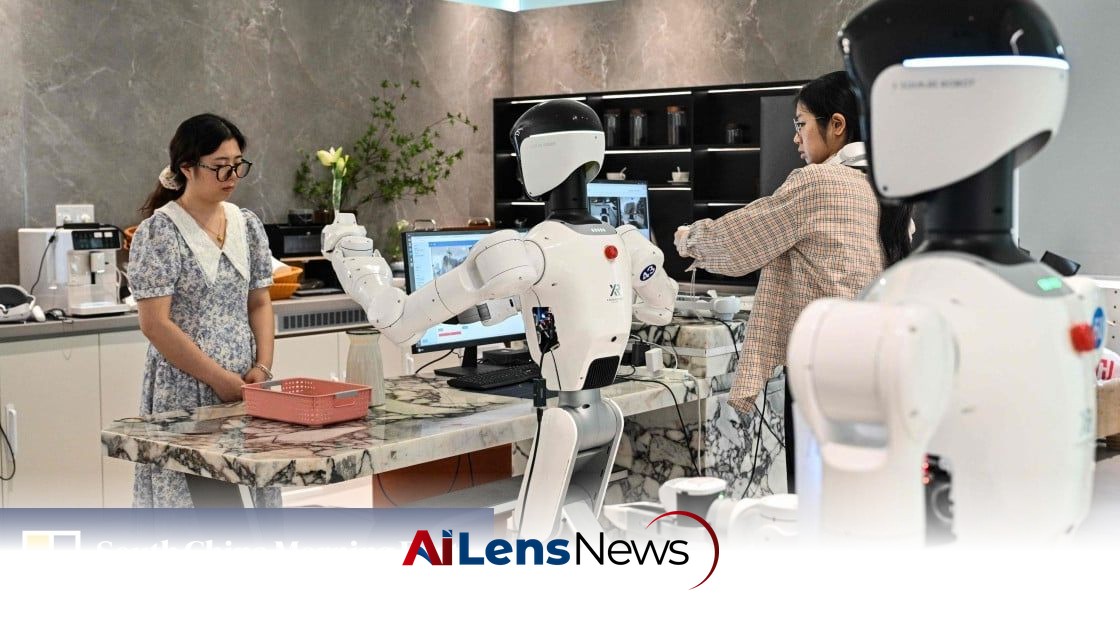


China's latest five-year plan focuses on wage reform to protect workers from AI disruptions, emphasizing collective bargaining and minimum wage adjustments.
London, United Kingdom Jul 13, 2026 ALN: China's recent efforts to reform its wage-distribution system reflect a growing recognition of the challenges posed by the rise of artificial intelligence (AI) and its potential to exacerbate income inequality. As one of the world's largest economies, China is at a critical juncture where the integration of advanced technologies into the workforce can lead to significant shifts in employment patterns, wage structures, and overall economic stability.
The blueprint released by the Ministry of Human Resources and Social Security is part of a broader strategy aimed at cushioning the domestic job market against the disruptive impacts of AI over the next five years. This initiative is not merely a response to technological advancements but also a proactive measure to address systemic issues within the labor market, particularly the widening income gap between different regions and demographics.
One of the key components of the new wage reform strategy is the promotion of collective wage bargaining within the private sector. This approach seeks to empower workers and ensure that wage negotiations are more equitable, allowing employees to have a say in their compensation based on collective agreements rather than individual negotiations that can often favor employers. By fostering a culture of collective bargaining, the government aims to create a more balanced power dynamic between employers and employees, ultimately leading to fairer wage distribution.
In addition to encouraging collective bargaining, the blueprint emphasizes the importance of steady wage growth across all sectors. By ensuring that wages keep pace with inflation and the cost of living, the government hopes to enhance the purchasing power of workers, particularly those in frontline positions who often bear the brunt of economic fluctuations. This focus on frontline workers is particularly significant, as they are essential to the functioning of various industries, and their economic well-being directly impacts consumer spending and overall economic health.
For state enterprises, the reform plan calls for a careful management of "excessively high earnings." This aspect of the strategy aims to address concerns about income disparity within state-owned enterprises, where some employees may earn significantly more than their counterparts in the private sector. The government has indicated that it will raise pay incentives for critical talent while also linking compensation more directly to technical expertise. This move is intended to attract and retain skilled workers in a competitive job market, ensuring that state enterprises can continue to innovate and thrive in an increasingly automated environment.
To protect the lowest earners in the workforce, the Chinese government is also refining its mechanism for adjusting minimum wage standards. This initiative is crucial in a country where millions of workers rely on minimum wage jobs for their livelihoods. By initiating legislative research on minimum wage laws, authorities aim to establish a framework that not only supports workers at the bottom tier of the wage scale but also adapts to changing economic conditions and inflationary pressures.
The overarching goal of these reforms is to adopt a comprehensive approach to managing the workforce in light of shifting external environments and the rapid advancement of AI technologies. The government recognizes that while AI has the potential to drive economic growth and increase productivity, it also poses significant risks to job security and income equality. As such, the blueprint emphasizes the need for job-expanding initiatives that can create new employment opportunities, particularly in sectors that are less susceptible to automation.
The income gap in China, particularly between rural and urban areas, remains a pressing concern. Urbanization has led to significant economic growth in cities, while many rural areas continue to lag behind. The disparity in income levels has resulted in social tensions and has raised questions about the sustainability of economic growth. Economists warn that the rapid rise of AI could further deepen these inequalities by displacing low-skilled workers and concentrating wealth among those who are able to leverage technology effectively.
In response to these challenges, Beijing has introduced a new slogan in its 15th five-year plan: "combine investment in physical assets with investment in people." This reflects a strategic shift towards recognizing the importance of human capital in driving economic growth. By investing in education, training, and skill development, the government aims to empower lower-income groups and enhance their spending power. This approach is particularly relevant in the context of weak domestic demand, as boosting the purchasing power of the lower-income population can stimulate economic activity and contribute to a more balanced and sustainable growth model.
As China navigates the complexities of AI integration and wage reform, the implications of these policies will be felt across various sectors of the economy. The success of the wage reform strategy will depend not only on the commitment of the government but also on the cooperation of businesses and the engagement of workers. It remains to be seen how effectively these initiatives will be implemented and whether they will succeed in addressing the underlying issues of income inequality and job security in an era increasingly defined by technological advancement.
In conclusion, China's wage reform initiative represents a significant step towards mitigating the potential negative impacts of AI on income inequality. By prioritizing collective wage bargaining, steady wage growth, and protections for the lowest earners, the government is taking a multifaceted approach to ensure that the benefits of economic growth are more evenly distributed. As the country continues to grapple with the challenges posed by AI and other technological advancements, these reforms will play a crucial role in shaping the future of work and the overall economic landscape in China.
To learn more about the latest developments in Economic Reports, stay updated with our exclusive reports and analyses on AiLensNews.

