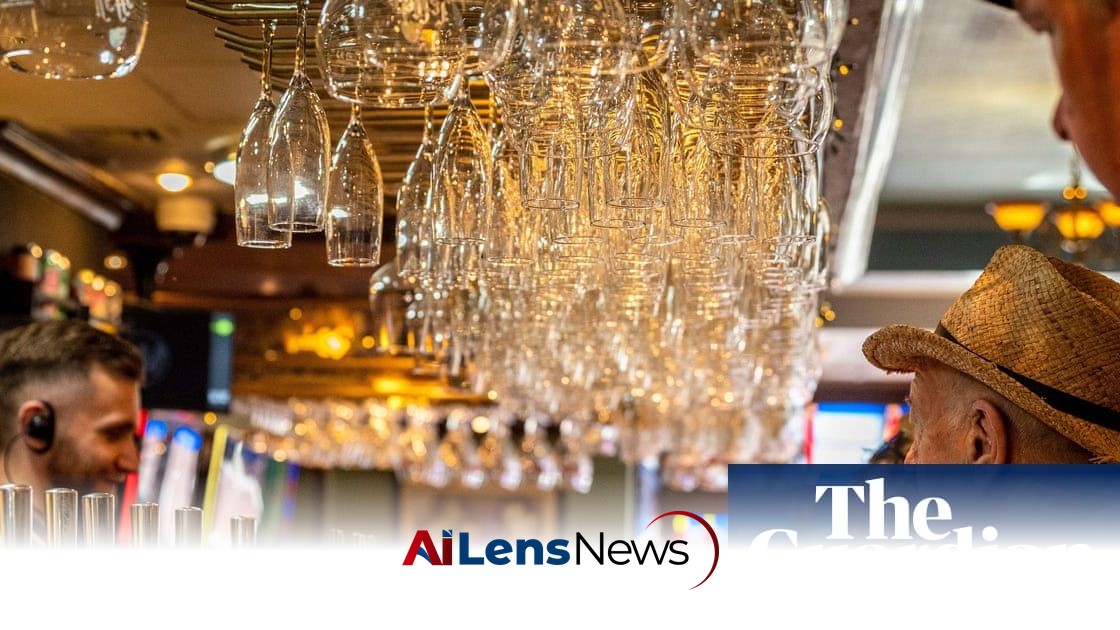


Downing Street announces a 20% reduction in business rates for nearly 32,000 hospitality businesses in England, effective April next year.
London, United Kingdom Jul 23, 2026 ALN: In a significant move aimed at supporting the hospitality sector, the UK government has announced a 20% cut in business rates for pubs, clubs, and live music venues across England. This policy change, set to take effect from April next year, is part of a broader strategy to rejuvenate the hospitality industry, which has faced unprecedented challenges in recent years. The hospitality sector is not only a vital part of the economy but also plays a crucial role in the social fabric of communities, making this announcement particularly noteworthy.
The announcement from Downing Street indicates that nearly 32,000 businesses in the hospitality sector will benefit from this reduction. For the average pub, this translates to an annual saving of approximately £1,100. Such financial relief is anticipated to provide a much-needed boost to these establishments, many of which have struggled to remain viable amidst economic pressures exacerbated by the COVID-19 pandemic. The pandemic has led to widespread closures, enforced capacity restrictions, and shifting consumer behaviors that have profoundly impacted the hospitality industry.
However, it is important to note that this discount will not apply to the largest live music venues, which may raise questions about the inclusivity of the policy. While smaller venues and local pubs are often seen as the backbone of community life, larger venues also play a crucial role in the cultural and economic landscape, hosting major events and attracting tourism. The exclusion of larger venues from this relief could lead to disparities within the sector, potentially leaving some businesses vulnerable as they continue to navigate the recovery process.
The funding for this overhaul of business rates will come from a review of existing reliefs for businesses that do not contribute positively to local communities. This includes establishments like vape shops, which some argue do not have the same community impact as traditional pubs and clubs. The government’s decision to reassess these reliefs indicates a strategic pivot towards supporting businesses that foster community engagement and contribute to local economies. Additionally, the government plans to tighten regulations on online marketplaces, particularly targeting those that fail to meet their tax obligations. This move is seen as a way to level the playing field between brick-and-mortar businesses and their online counterparts, which have gained significant market share in recent years.
Prime Minister Andy Burnham, who has been vocal about his commitment to supporting local businesses, previously pledged to increase taxes on out-of-town warehouses for online companies such as Amazon. This strategy aims to create a more equitable tax environment that allows for subsidies to be directed toward hospitality firms, which are often viewed as critical to the social fabric of communities. Burnham's statement reflects a broader government philosophy that seeks to bolster businesses that enhance community life. He remarked, “This government will back the businesses that people want to see in their communities. I said I would protect pubs and local high streets – the beating heart of our communities – and that’s what we will do. What we’re announcing today is just the start as we work to bring back hope across the country.” This sentiment resonates with many who view local pubs and clubs as essential gathering places that foster social interaction and community spirit.
The upcoming budget is expected to provide further details on additional reforms to the business rates system, including potential adjustments to small business rates relief. Such reforms are crucial as they can significantly impact the sustainability of small businesses, which often operate on thin margins and may struggle to navigate the complexities of the current business rates system. The anticipated changes may also reflect a broader recognition of the challenges faced by small enterprises in a rapidly changing economic landscape.
The hospitality sector has been one of the hardest-hit industries during the pandemic, facing closures, capacity restrictions, and changing consumer behaviors. As the country emerges from the pandemic, there is a pressing need to revitalize this sector, which not only contributes to the economy but also plays a vital role in community cohesion and cultural identity. The government’s decision to cut business rates is a direct response to these challenges, signaling a commitment to the long-term recovery of the hospitality industry.
In addition to the immediate financial relief provided by the business rates cut, the government’s approach also signals a recognition of the need for long-term structural changes in how businesses are taxed and supported. The focus on community contributions as a criterion for tax reliefs may lead to a more sustainable business environment, encouraging businesses to engage positively with their localities. This shift could foster a culture of corporate responsibility, where businesses actively seek to contribute to their communities beyond mere profit generation.
Moreover, the emphasis on cracking down on non-compliant online marketplaces is indicative of a growing concern regarding the influence of e-commerce on traditional retail and hospitality. As online shopping continues to rise, the challenge for local businesses is to adapt and compete effectively while ensuring they are not at a disadvantage due to tax policies that favor larger online entities. The disparity between online and physical retail has been a contentious issue, with many advocating for a fairer tax system that holds all businesses accountable, regardless of their operational model.
As the government prepares to implement these changes, stakeholders across the hospitality sector are likely to be closely monitoring the outcomes. The success of this initiative will depend not only on the immediate financial relief but also on the broader economic context and the ability of local businesses to recover and thrive in a post-pandemic world. The hospitality industry is interconnected with various sectors, including tourism, entertainment, and retail, making its recovery essential for a holistic economic rebound.
The implications of these changes extend beyond just financial relief; they also represent a shift in government policy towards a more community-focused approach to business support. By prioritizing businesses that contribute positively to local communities, the government aims to foster a more vibrant and sustainable economic landscape that benefits all stakeholders. This approach aligns with the growing trend of emphasizing corporate social responsibility and the importance of businesses being good neighbors and community partners.
In conclusion, the announcement of a 20% cut in business rates for pubs, clubs, and live music venues is a significant step towards revitalizing the hospitality industry in England. It reflects a commitment to supporting local businesses and recognizes their essential role in community life. As further reforms are anticipated in the upcoming budget, the focus on creating a fairer business environment will be crucial for the long-term sustainability of the sector. The government’s proactive stance may not only assist in the recovery of the hospitality industry but also set a precedent for future policies aimed at nurturing community-oriented businesses across the country.
To learn more about the latest developments in Inflation & Prices, stay updated with our exclusive reports and analyses on AiLensNews.

