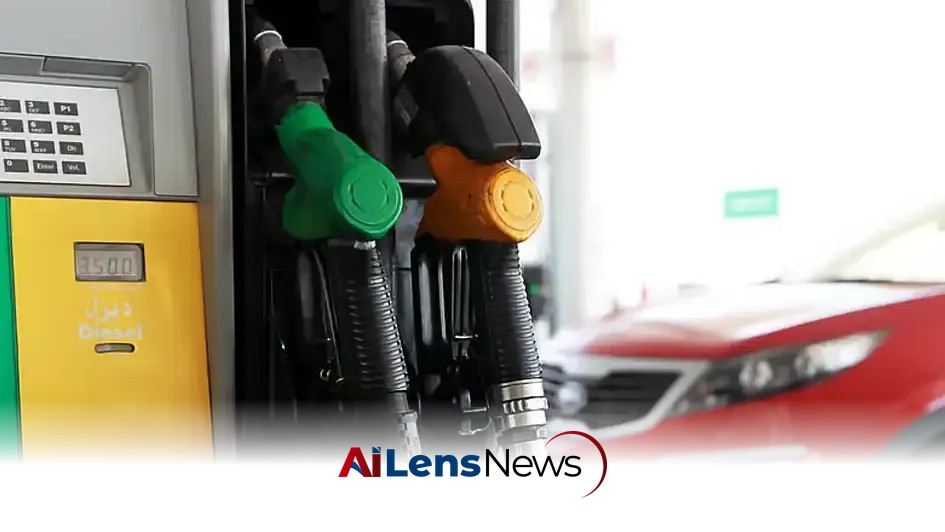


The UAE has revealed the petrol and diesel prices for August 2026, following a decline in fuel prices in July after a four-month rise.
Abu Dhabi, United Arab Emirates Jul 31, 2026 ALN: The United Arab Emirates has officially announced the petrol and diesel prices for August 2026. This announcement comes after a notable dip in fuel prices in July, which marked a significant change following four consecutive months of increases. The fluctuation of fuel prices is a common occurrence in the UAE, where fuel costs are closely tied to international oil prices and geopolitical events that can disrupt supply chains and affect market stability.
The UAE, being one of the largest oil producers in the world, plays a critical role in the global oil market. The country’s pricing strategy for fuel is influenced not only by local demand but also by international market conditions. The Ministry of Energy and Infrastructure in the UAE regularly reviews and adjusts fuel prices based on a variety of factors, including the cost of crude oil on the global market, exchange rates, and domestic consumption patterns.
As of August, the price of petrol has been set at specific price per liter, while diesel is priced at specific price per liter. These prices reflect the latest adjustments made by the UAE's Ministry of Energy and Infrastructure. The specific prices are determined through a formula that takes into account the average global oil prices from the previous month, ensuring that local prices remain competitive while also reflecting international trends.
In the context of the UAE’s economy, fuel prices are a critical component, as they directly impact transportation costs, the logistics sector, and, by extension, the prices of goods and services across the nation. The recent adjustments are particularly significant for consumers and businesses that have been grappling with rising costs in other sectors, making the price changes a focal point of economic discussions.
The recent decline in fuel prices is a welcome relief for consumers, especially after the prolonged period of rising costs. Analysts suggest that the geopolitical landscape, particularly the conflict involving the US, Israel, and Iran, has played a crucial role in influencing oil prices globally. The ongoing tensions in the region have created uncertainty in the oil markets, leading to volatility in prices. The Strait of Hormuz, a critical passage for oil shipments, has been a focal point of these tensions, as it is one of the most strategically important waterways in the world, through which a significant percentage of the world’s oil supply passes.
Additionally, the impact of sanctions and trade policies imposed by various nations can also lead to fluctuations in oil supply and demand, further complicating the pricing landscape. For instance, any disruption in oil exports from Iran or changes in US energy policies can have immediate repercussions on global oil prices, which in turn affect local pricing in the UAE.
Moreover, the COVID-19 pandemic has had lasting impacts on global oil demand and supply chains. The fluctuations in travel and transportation due to health restrictions initially led to a significant drop in oil prices, but as economies reopened and demand surged, prices began to rise again. This cycle of demand and supply, influenced by global health policies, continues to affect fuel prices in the UAE.
Looking ahead, experts predict that fuel prices may continue to fluctuate based on ongoing geopolitical developments and changes in global oil supply and demand dynamics. The UAE's pricing strategy aims to balance local consumer needs with international market trends, which can be a delicate balancing act. As countries around the world transition to renewable energy sources and seek to reduce their dependence on fossil fuels, the long-term outlook for oil prices remains uncertain.
Furthermore, with the increasing emphasis on sustainability and environmental regulations, the demand for oil may experience shifts that could impact pricing. The UAE has been proactive in diversifying its economy and investing in renewable energy projects, which may eventually influence domestic fuel pricing strategies as the country seeks to align with global trends aimed at reducing carbon emissions.
The UAE has also launched several initiatives aimed at reducing energy consumption and promoting energy efficiency. These efforts include investments in solar energy and nuclear power, which are expected to play a significant role in the country's energy mix in the coming decades. As the nation moves towards a more sustainable energy future, the implications for fuel pricing could be profound, potentially leading to lower reliance on oil and gas.
As the situation evolves, consumers are encouraged to stay informed about potential changes in fuel pricing and to consider the broader implications of global events on local markets. Awareness of these factors can help consumers make informed decisions regarding fuel consumption and budgeting for transportation costs.
In conclusion, the announcement of petrol and diesel prices for August 2026 highlights the UAE's responsiveness to both local and international factors affecting fuel costs. The recent dip in prices offers a momentary respite for consumers amidst a complex geopolitical backdrop. As the region continues to navigate through these challenges, the ability of the UAE to adapt its fuel pricing strategy will be crucial for maintaining economic stability and meeting the needs of its population.
In summary, the fluctuations in fuel prices not only reflect the immediate economic conditions but also serve as a barometer for broader geopolitical tensions and market trends. The UAE's strategic positioning in the oil market, coupled with its efforts towards diversification and sustainability, will play a vital role in shaping the future landscape of fuel pricing, impacting consumers and businesses alike.
To learn more about the latest developments in Inflation & Prices, stay updated with our exclusive reports and analyses on AiLensNews.

