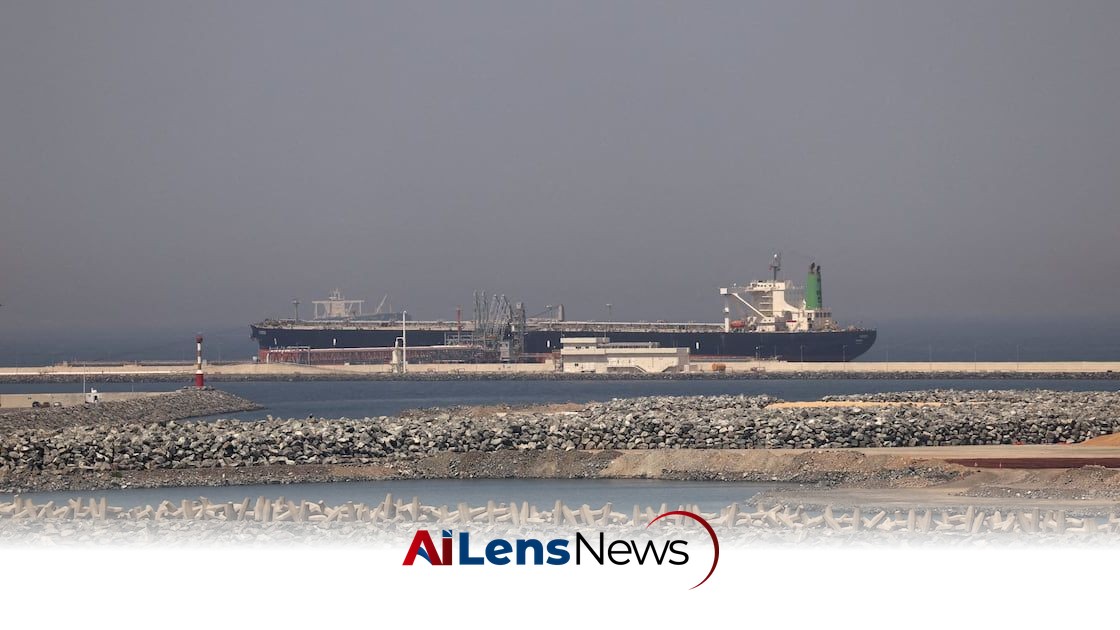


The ongoing geopolitical tensions in the Strait of Hormuz are prompting companies to fundamentally rethink their supply chain strategies, moving beyond mere adjustments to ensure long-term viability.
Abu Dhabi, United Arab Emirates Jul 27, 2026 ALN: The latest US tariffs on 60 countries announced this week underline that trade barriers are becoming an increasingly persistent feature of the global economy, rather than a temporary disruption. This development signals a significant shift in the landscape of international trade, where companies must now navigate a more complex environment fraught with uncertainty and risk. Tariffs, once viewed as a tool of last resort, are becoming a standard operating procedure for governments seeking to protect domestic industries or retaliate against perceived unfair practices by trading partners.
The news that DP World is planning to build a new port on the east coast of the UAE similarly points to the same conclusion. By creating an alternative route that bypasses the Strait of Hormuz, the Dubai ports operator is responding to the repeated disruption caused by the Iran war. The Strait of Hormuz is a vital corridor for global oil shipments, with a significant percentage of the world's oil passing through this narrow waterway. Any threat to the safety and security of this route can have immediate and far-reaching consequences for global markets.
There is also a lesson for companies: when a critical trade route’s very viability is called into question, simply rerouting cargo is not enough. DP World illustrates that you need to fundamentally rethink how supply chains are built. The reliance on traditional shipping routes is being challenged by geopolitical tensions, and businesses must adapt to an environment where the unexpected can disrupt operations at any moment. This means not only finding alternative routes but also considering the broader implications of supply chain management.
The Iran war has repeatedly disrupted commercial shipping in the strait. For decades, companies assumed such issues would be temporary but they can no longer afford to. The era of improving supply chains around the margins is over, because when geopolitics changes the rules of trade, companies must revamp the supply network itself. This requires an in-depth analysis of vulnerabilities within existing supply chains and a proactive approach to mitigating risks associated with geopolitical instability.
Donald Trump’s latest tariff wall is the clearest illustration of this shift. The President has also escalated US strikes on Iranian targets in recent days, pushing the two nations closer to all-out conflict. The escalation of military tensions, combined with economic pressures, creates a volatile environment that can lead to sudden disruptions in global trade. Companies must remain vigilant and responsive to these changes, as they can impact everything from raw material costs to shipping times.
The implications extend well beyond shipping to world trade. Until recently, the Gulf looked well placed to benefit from the reordering of global supply chains, with the UAE and Saudi Arabia attracting growing interest as manufacturing and assembly hubs. The disruption in the strait has punctured that narrative. As businesses reconsider their supply chains, they may look beyond the Gulf to alternative regions that offer more stability and security, potentially reshaping global manufacturing patterns.
It comes on the back of a whole host of supply chain shocks, from the coronavirus pandemic to the war in Ukraine and the return of broad-based US import tariffs. These successive shocks mean companies are having to carry out far more scenario planning because they can no longer assume that today’s trading conditions will persist tomorrow. The pandemic highlighted the fragility of global supply chains, as lockdowns and restrictions led to widespread shortages and delays. Similarly, the war in Ukraine has disrupted supply chains for critical commodities, further complicating the landscape for businesses.
Looking at the impact of the strait’s repeated closure, it’s clear some companies are better prepared than others. In the pharmaceutical industry, for example, some firms have scrambled to secure alternative medical supplies and raw materials, because costs soared and inventories were depleted. This highlights the importance of having contingency plans in place and being able to pivot quickly in response to changing conditions.
Others were better prepared to deal with the shock because they had already spread inventory and even production across multiple countries. This diversification strategy has proven to be a lifeline for companies facing disruptions, allowing them to maintain operations and meet customer demand despite challenges in specific regions. So what does a supply chain redesign actually look like in practice?
It means rethinking where products are sourced, how they are manufactured, and the logistics involved in getting them to market. Companies must consider diversifying their supply chains to mitigate risks associated with geopolitical tensions and trade barriers. This may involve investing in new technologies, such as automation and artificial intelligence, to enhance supply chain visibility and responsiveness. Additionally, businesses may need to establish closer relationships with suppliers and partners to foster collaboration and improve communication.
Moreover, the focus on sustainability is becoming increasingly important in supply chain management. Companies are recognizing the need to balance profitability with environmental and social responsibility. This includes considering the carbon footprint of logistics operations, ethical sourcing practices, and the impact of production on local communities. As consumers become more conscious of these issues, businesses that prioritize sustainability may gain a competitive edge in the marketplace.
In conclusion, the current geopolitical landscape necessitates a fundamental reevaluation of supply chain strategies. Companies must embrace flexibility, innovation, and resilience to navigate the complexities of international trade. As trade barriers and geopolitical tensions persist, the ability to adapt and respond to changing conditions will be crucial for businesses seeking to thrive in an increasingly uncertain world. The lessons learned from the ongoing crisis in the Strait of Hormuz and other global disruptions will shape the future of supply chain management for years to come.
To learn more about the latest developments in Inflation & Prices, stay updated with our exclusive reports and analyses on AiLensNews.

