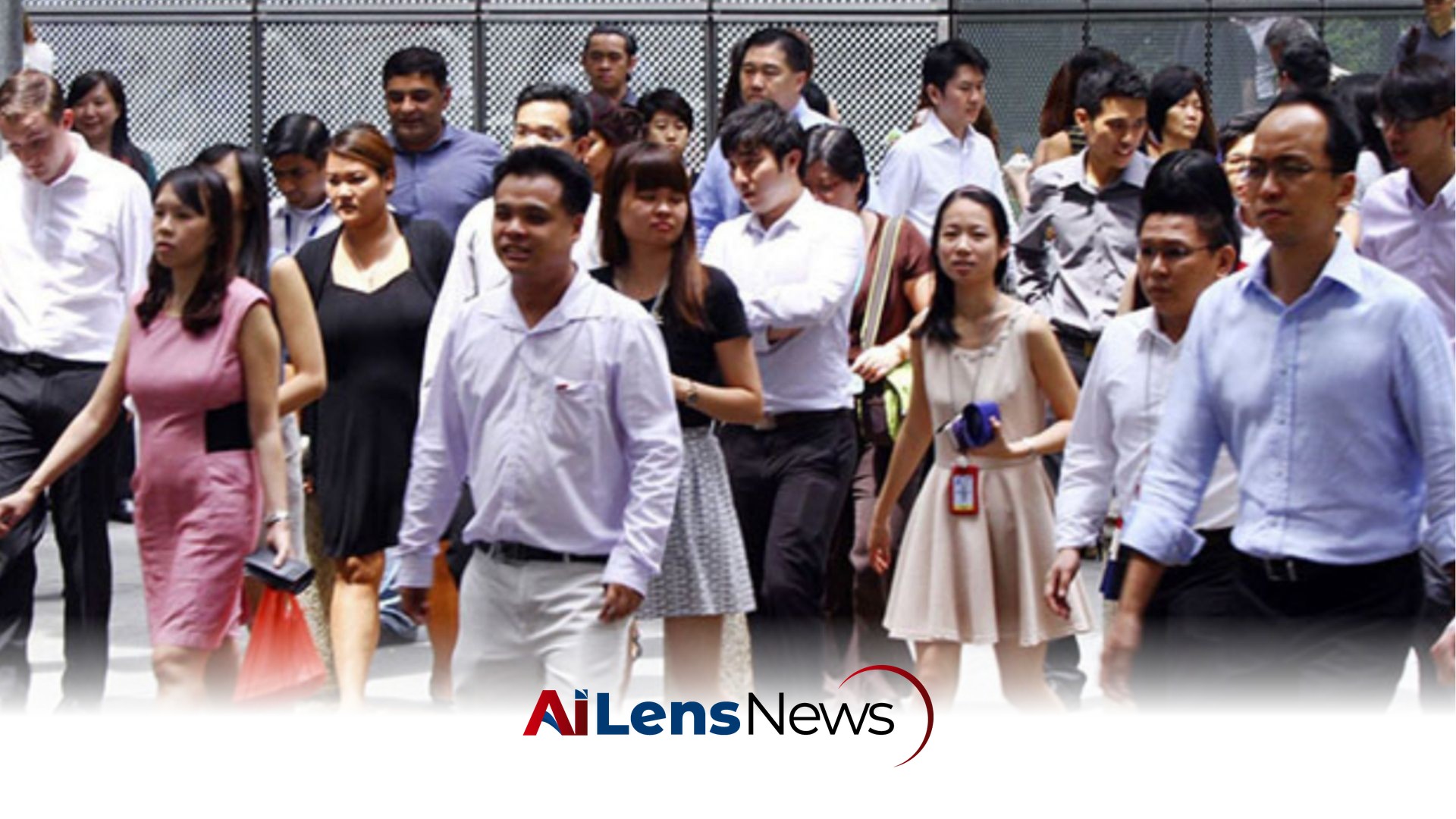


A recent survey reveals that nearly 90% of Singaporeans expect inflation to increase over the next year, primarily due to geopolitical tensions and supply chain disruptions.
Singapore, Singapore Jul 24, 2026 ALN: Singaporeans are expecting inflation to edge higher over the coming year, with concerns over geopolitical tensions continuing to shape public sentiment despite a slight decline in the proportion of people anticipating further price increases.
According to the latest DBS-SKBI Singapore Index of Inflation Expectations survey, respondents expect headline inflation to average 3.4% over the next 12 months, up slightly from 3.3% recorded in the previous survey conducted in March. This slight increase reflects ongoing economic challenges and uncertainties that have been exacerbated by global events, including geopolitical conflicts and economic policies adopted by various countries.
The survey revealed that 87.7% of respondents believe inflation will continue to rise over the next year, a marginal decline from 88.3% in March. This high percentage indicates a pervasive sense of concern among the population regarding the future economic landscape. Just 4.3% of those surveyed expect inflation to ease during the same period, highlighting a general pessimism about economic stability.
Among those anticipating higher inflation, geopolitical conflicts and broader global uncertainty emerged as the dominant concern, with nearly six in ten respondents identifying them as the main driver of future price increases. This finding underscores the interconnectedness of global economies and how events in one region can ripple through to affect prices and economic expectations in Singapore. Trade tensions, particularly between major economies, have been cited as significant contributors to inflationary pressures.
Supply chain disruptions were cited by 14.3% of respondents as the primary factor behind their expectations. The COVID-19 pandemic has had lasting effects on global supply chains, leading to shortages and delays that have contributed to rising costs. Additionally, 9.4% of respondents pointed to uncertainty surrounding trade policies, including tariffs, as a significant concern. Trade policies can directly impact the prices of imported goods, which are vital for a small, trade-dependent economy like Singapore.
Inflation expectations also increased when volatile components such as accommodation and private transport were excluded. Core inflation expectations rose to 3.4%, compared with 3.3% in the March survey. Core inflation measures provide a clearer picture of underlying inflation trends by filtering out more volatile items that can skew the overall figures. This upward trend in core inflation expectations suggests that consumers are bracing for persistent price increases across a broader range of goods and services.
The findings come after inflation picked up in March, with both headline and core measures rising amid higher costs for private transport, retail goods, and services. The increase in inflation is not an isolated occurrence but part of a broader trend observed in many economies worldwide, driven by factors such as increased demand post-pandemic, supply chain issues, and rising commodity prices.
Transport registered the largest increase in expected price growth among the major spending categories. Respondents now expect transport-related costs to rise by 3.8% over the next year, up from 3.5% previously. This increase is significant for Singaporeans, as transportation costs can directly affect daily commuting expenses and overall living costs. The rise in fuel prices and maintenance costs for vehicles may be contributing factors to this expectation.
Expectations for education and household durables both climbed to 3%, while projected inflation for recreation, sport, and culture increased to 3% from 2%. These sectors are crucial for the quality of life in Singapore, and rising costs can impact families' budgets and spending habits. Price expectations for food, housing, and utilities remained unchanged at 3%, indicating a level of stability in these essential categories, despite the overall inflationary trend.
Healthcare continued to record the highest expected inflation rate among the major categories at 4%. This is particularly concerning, as healthcare costs are a significant expense for many households, and rising prices in this sector can lead to increased financial strain on families and individuals, especially the elderly and those with chronic health conditions.
Meanwhile, the survey’s composite one-year inflation index, which assigns lower weight to more volatile expenditure items such as accommodation, private transport, food, and energy, remained unchanged at 3.3%. This composite measure provides a more stable view of inflation expectations and can help policymakers gauge the general sentiment of the public regarding future economic conditions.
The latest edition of the DBS-SKBI Singapore Index of Inflation Expectations was conducted between 22 and 30 June and gathered responses from 536 participants. This sample size, while relatively small, reflects a diverse cross-section of the population, providing valuable insights into the general public's perceptions of inflation and economic stability.
In the broader context, rising inflation expectations can have significant implications for monetary policy and economic planning in Singapore. Policymakers may need to consider these expectations when making decisions regarding interest rates and other economic measures. The Monetary Authority of Singapore (MAS) has a mandate to ensure price stability and economic growth, and persistent inflation can complicate these objectives.
Furthermore, as Singapore is a small and open economy, it is particularly vulnerable to external shocks. Global inflation trends, trade dynamics, and geopolitical developments will continue to play a critical role in shaping the economic outlook for the country. As such, ongoing monitoring of inflation expectations and economic indicators will be essential for both policymakers and the public.
In conclusion, while the slight decline in the percentage of Singaporeans expecting rising inflation may suggest some degree of optimism, the overall sentiment remains cautious. Geopolitical tensions and supply chain challenges continue to loom large, affecting public perceptions of future price stability. As Singapore navigates these complexities, understanding and addressing the factors driving inflation expectations will be crucial for maintaining economic resilience and ensuring the well-being of its citizens.
To learn more about the latest developments in Economic Reports, stay updated with our exclusive reports and analyses on AiLensNews.

