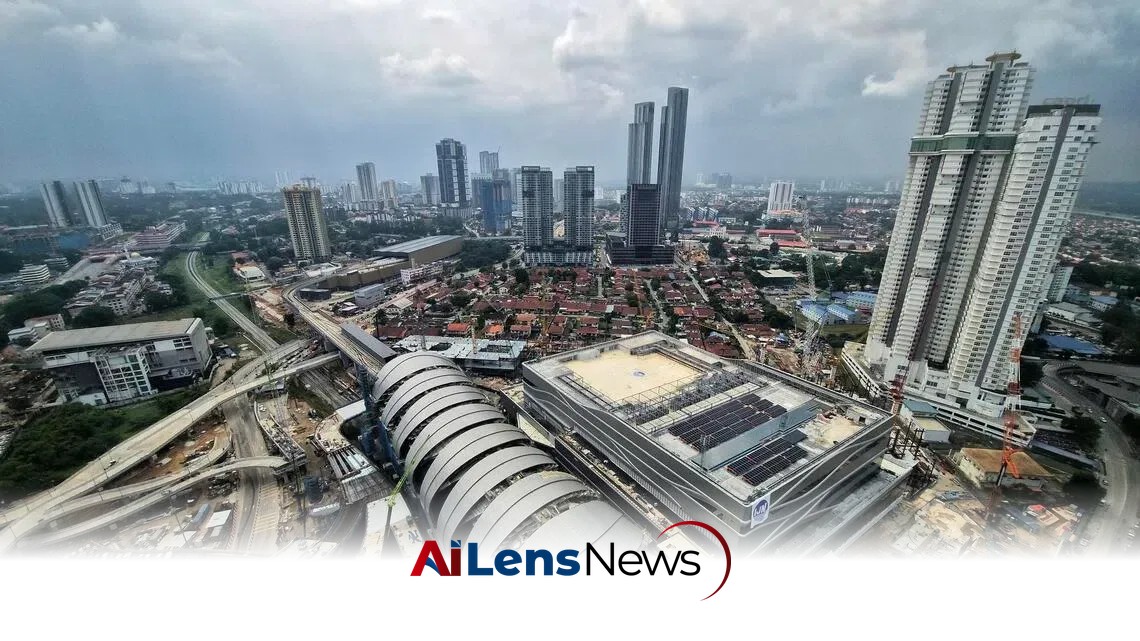


A new study forecasts that the RTS Link will lead Singaporeans to spend $1.05 billion more in Johor Bahru, significantly impacting the retail and F&B sectors.
Singapore, Singapore Jul 16, 2026 ALN: The impending launch of the Johor Bahru-Singapore Rapid Transit System (RTS) Link is expected to significantly alter the economic landscape of cross-border spending between Singapore and Malaysia. Set to commence passenger service in January 2027, the RTS Link is projected to facilitate a dramatic increase in spending by Singaporeans in Johor Bahru (JB), with estimates suggesting an additional $1.05 billion in annual expenditures. This figure represents a nearly 40 percent increase compared to the $756 million projected increase in spending by visitors from JB in Singapore.
The projections stem from a comprehensive joint study released on July 16 by the Singapore Business Federation (SBF), the Restaurant Association of Singapore (RAS), and the Singapore Retailers Association (SRA). This study meticulously examines the potential ramifications of the RTS Link on consumer spending, tourism dynamics, and the competitiveness of businesses within Singapore’s retail and food and beverage (F&B) sectors.
According to the study, the RTS Link is anticipated to spur a 51 percent annual increase in Singaporean consumers crossing over to JB once the railway shuttle opens. The categories where Singaporeans are expected to spend the most include groceries, pharmacies, dining, and beauty services, reflecting a shift in consumer behavior driven by the convenience and efficiency of the new transit option.
On the other side of the Causeway, 34 percent of JB respondents indicated their intention to visit Singapore once the RTS Link becomes operational. The study forecasts a 57 percent average increase in annual visits by public transport users, highlighting the reciprocal nature of cross-border travel and spending. Many visitors who previously opted to drive into Singapore are expected to switch to the RTS Link, favoring overnight stays and increased expenditures on entertainment.
Currently, the primary public transport options connecting Singapore and JB include the KTM Shuttle Tebrau train as well as cross-border buses and taxis. The RTS Link is designed to provide a faster and higher-frequency alternative to the existing KTM service, which has been a popular choice for commuters but often faces delays and capacity constraints. The new rail system is expected to streamline travel between the two cities, making it easier for Singaporeans to enjoy the diverse offerings in JB.
Despite the anticipated benefits of increased spending, businesses within Singapore’s retail and F&B sectors have expressed concerns regarding the heightened competition that the RTS Link may bring from JB. Many retailers fear that the influx of Singaporean consumers into JB will intensify competition, particularly in price-sensitive segments such as groceries, pharmaceuticals, and beauty services. These sectors have already been impacted by lower cross-border prices, which are influencing consumer spending patterns.
Beyond pricing strategies, businesses acknowledge the importance of differentiating themselves through superior service quality, enhanced customer experiences, and unique product offerings. However, they also cite persistent challenges related to manpower shortages, compliance with regulations, and rising operational costs as significant barriers to innovation and scaling their operations effectively.
Small and medium-sized enterprises (SMEs) are particularly vulnerable in this rapidly changing landscape. Many SMEs have voiced concerns about their ability to adapt as quickly as larger operators, highlighting the need for greater support from industry stakeholders and the government. This support is crucial for helping these businesses strengthen their competitiveness and capture new opportunities arising from increased cross-border flows.
Despite the projected influx of spending in JB, it is essential to contextualize this figure within the broader scope of Singapore’s retail and F&B sector, which contributed approximately $16.6 billion to the economy in 2025. The projected $1.05 billion increase in spending represents a relatively small portion of the overall market, underscoring the need for businesses to strategize effectively to maintain their market share.
The SBF, RAS, and SRA have emphasized the importance of focusing on both growing local and tourist spending while concurrently assisting retail and F&B businesses in adapting to the new market dynamics. This includes addressing structural cost pressures and supporting the development of innovative operating and business models that can thrive in a more competitive environment.
The study highlights the necessity for stronger collaboration among trade associations, landlords, tourism stakeholders, and government agencies to ensure that businesses can respond effectively to evolving consumer trends and the increased connectivity brought about by the RTS Link.
Kok Ping Soon, the chief executive of SBF, remarked that while the RTS Link will undoubtedly create new opportunities for Singaporean businesses to attract more visitors, it will also elevate competitive pressures, particularly within the retail and F&B sectors. He noted, “This shift is structural, not incremental. Businesses must adapt beyond price competition by strengthening their offerings, experiences, and productivity, while industry and the Government must work together to help them compete in a more connected cross-border market.”
Ernie Koh, president of the SRA, expressed anticipation for a “measurable shift in consumer behavior” with the opening of the RTS Link. He indicated that local retailers are increasingly pivoting towards experiential concepts, and shopping malls are actively curating tenant mixes to enhance the shopping experience. Koh also called for specific government mitigation measures, such as increased manpower flexibility and support over the next three to five years, to help businesses navigate the changing landscape.
Benjamin Boh, president of RAS, echoed these sentiments, stating, “Singapore’s F&B sector currently operates in a dynamic and cost-sensitive climate. With increased cross-border travel, we can expect new pressures to be introduced on an already highly competitive F&B industry at large, and opportunities for selective players based on where inbound visitors typically spend their money.” He emphasized the need for businesses to be empowered with manpower agility and operational flexibility to consistently deliver compelling dining experiences that attract both local consumers and inbound visitors.
As the RTS Link approaches its launch date, the implications for consumer behavior, business strategies, and cross-border economic interactions will continue to evolve. Stakeholders in both Singapore and JB will need to remain vigilant and responsive to the changing dynamics of the retail and F&B sectors, ensuring they are well-positioned to capitalize on the opportunities that arise from this new era of connectivity.
To learn more about the latest developments in Trade & Commerce, stay updated with our exclusive reports and analyses on AiLensNews.

