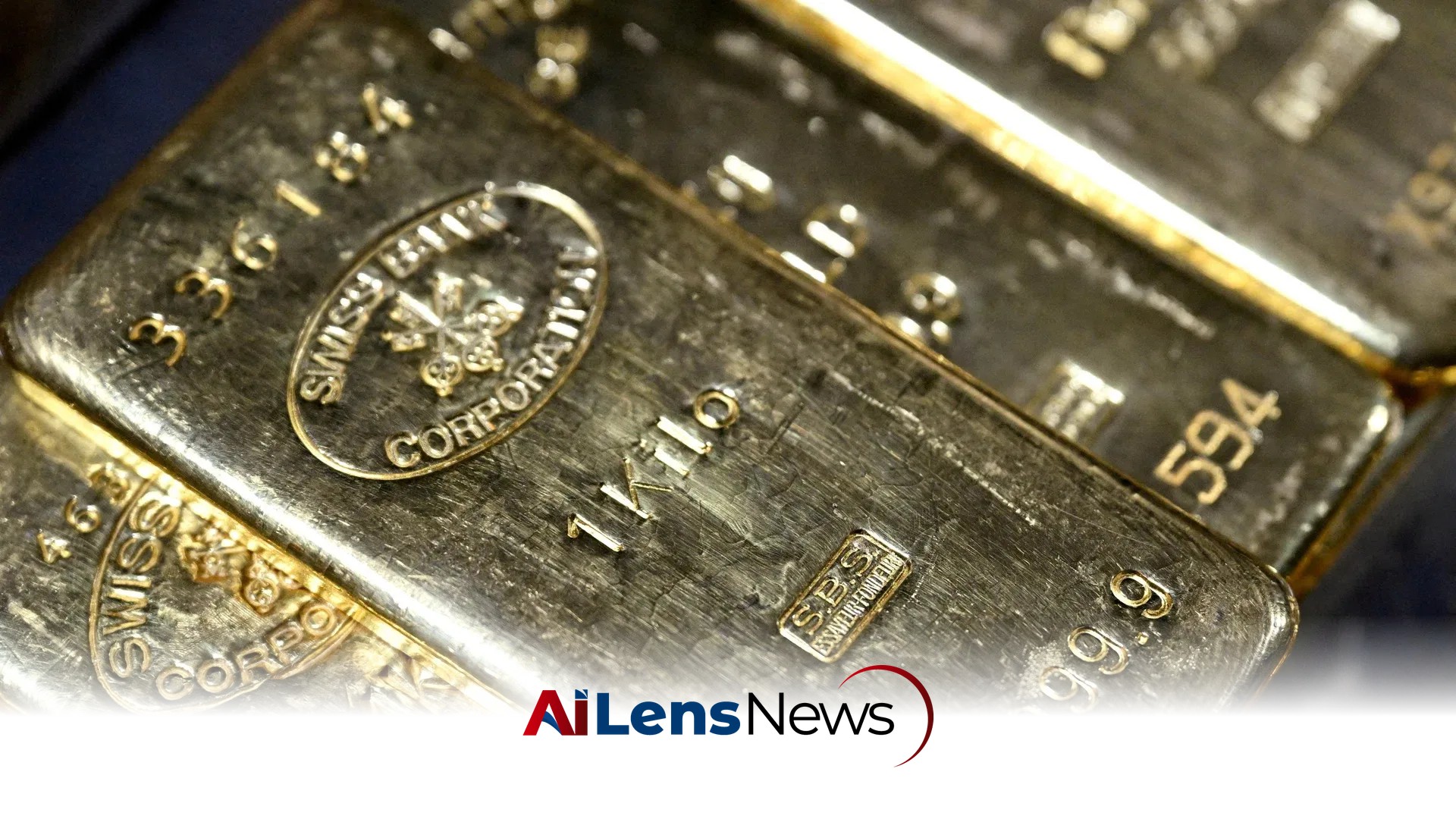


Gold prices fell significantly following renewed strikes between the US and Iran, raising concerns about interest rate hikes by the Federal Reserve to combat inflation.
Singapore, Singapore Jul 13, 2026 ALN: Gold prices have experienced a notable decline following recent military exchanges between the United States and Iran over the weekend of July 11 and 12. This escalation has led to increased energy prices and has reignited discussions regarding potential interest rate hikes by the Federal Reserve to address ongoing inflation concerns. The fluctuations in gold prices are often closely tied to geopolitical tensions, and the current situation is no exception. Investors typically view gold as a safe-haven asset during times of uncertainty, but the interplay between military conflict and monetary policy can create complex dynamics in the commodities market.
On July 13, gold fell as much as 1.2% to below $4,070 an ounce, marking a 1.4% loss for the week ending July 12. This drop comes as the market reacts to the geopolitical tensions and their implications for monetary policy. The decline in gold prices is significant, particularly as it reflects broader market sentiments and investor behavior in response to both local and global events. Gold, traditionally considered a hedge against inflation and currency devaluation, is now experiencing downward pressure as investors reassess their positions amid fluctuating economic indicators.
The situation in the Strait of Hormuz remains uncertain, with the United States denying Iran's claim that the waterway would be closed indefinitely. The Strait of Hormuz is a critical maritime chokepoint through which a substantial portion of the world's oil supply is transported. Any disruptions in this area can lead to sharp increases in energy prices, which in turn can impact inflation rates and monetary policy decisions. In response to Iran's threats, American forces have initiated actions to ensure the freedom of navigation in the region, as stated by US Central Command. The US military presence in the area underscores the importance of maintaining open shipping lanes and the potential economic repercussions of any disruptions.
For traders in gold, the intensifying conflict in the Middle East raises the prospect that the Federal Reserve may need to maintain higher interest rates for an extended period to combat persistent inflation. Higher interest rates generally lead to a stronger dollar, which can make gold more expensive for holders of other currencies, thereby reducing demand. Minutes from the Fed's June meeting, released last week, indicated that some policymakers were in favor of raising rates, although the consensus ultimately leaned towards keeping them steady. This reflects a cautious approach as the Fed balances the need to control inflation against the risks posed by geopolitical instability.
These minutes also highlighted growing concerns among Fed officials regarding inflation, coinciding with a slight easing of worries surrounding the labor market. The labor market has shown signs of resilience, but inflation remains a critical issue, with rising prices affecting consumer spending and overall economic growth. Higher borrowing costs typically pose a challenge for gold, which does not yield interest. As investors weigh the implications of potential rate hikes, gold's appeal as a non-yielding asset diminishes, leading to decreased demand.
The latest tensions come just before Kevin Warsh's first appearance before Congress as Fed chairman on July 14. Warsh's testimony is highly anticipated, as it could provide further insight into the Fed's monetary policy direction amidst the current economic landscape. This hearing by the House Financial Services Committee will be preceded by the release of June consumer price figures from the US Bureau of Labor Statistics. These figures will be crucial in shaping expectations for future Fed actions, as they will provide a clearer picture of inflation trends and consumer behavior.
Since the onset of the Iran conflict in late February, gold prices have plummeted by more than 20%, ending a three-year bull run and briefly dipping below $4,000 for the first time since November 2025. This dramatic decline highlights the volatility of gold prices in response to geopolitical events and economic indicators. Hedge funds and money managers have reduced their bullish positions on gold, with recent data showing a drop to 114,854 contracts for the week ending July 7. This reduction in bullish sentiment reflects a broader market shift as investors reassess their strategies in light of changing economic conditions and geopolitical risks.
As of 7:05 AM in Singapore on July 13, spot gold was down 1.2% to $4,070.98 an ounce. Silver also saw a decline, falling 2.1% to $58.64 an ounce, while platinum and palladium prices dropped as well. The decline in precious metals is indicative of a broader trend affecting commodities, as market participants react to the interplay of geopolitical tensions and monetary policy. The Bloomberg Dollar Spot Index, which measures the strength of the US dollar, rose by 0.2%, suggesting that a stronger dollar is contributing to the downward pressure on gold prices.
The implications of these developments are multifaceted. For investors, the current climate necessitates a careful evaluation of risk exposure, particularly in commodities like gold that are sensitive to both economic and geopolitical factors. As the situation in the Middle East evolves and the Federal Reserve navigates its monetary policy, market participants will need to remain vigilant and adaptable to changing circumstances. The interplay between geopolitical tensions, inflation, and interest rates will continue to shape the outlook for gold and other precious metals in the coming weeks and months.
Historically, gold has been viewed as a refuge during times of uncertainty and conflict. This perception is rooted in its intrinsic value and the fact that it is a tangible asset, unlike currencies that can be devalued by monetary policy. However, the relationship between gold prices and geopolitical tensions is not straightforward. While crises can lead to spikes in gold prices, the current economic environment, characterized by rising interest rates and a strengthening dollar, complicates this dynamic.
As the Federal Reserve considers its next steps, it must weigh the implications of its decisions on both domestic economic stability and international relations. The potential for further military escalation in the Middle East could lead to increased volatility in energy markets, which in turn could exacerbate inflationary pressures. This scenario poses a challenge for the Fed, which must navigate these headwinds while trying to foster economic growth.
Moreover, the effects of inflation on consumer behavior cannot be underestimated. As prices rise, consumers may reduce spending, which could lead to slower economic growth. This slowdown could prompt the Fed to reconsider its approach to interest rates, particularly if inflation begins to show signs of easing. The delicate balance between fostering economic growth and controlling inflation will be a critical focus for the Fed in the coming months.
In conclusion, the decline in gold prices amid rising tensions between the US and Iran and the potential for interest rate hikes by the Federal Reserve illustrates the complexity of the current economic landscape. Investors must remain alert to the evolving situation, as geopolitical events and monetary policy decisions will continue to impact market dynamics. The interplay of these factors will be crucial in determining the future trajectory of gold prices and the broader commodities market.
To learn more about the latest developments in Economic Reports, stay updated with our exclusive reports and analyses on AiLensNews.

