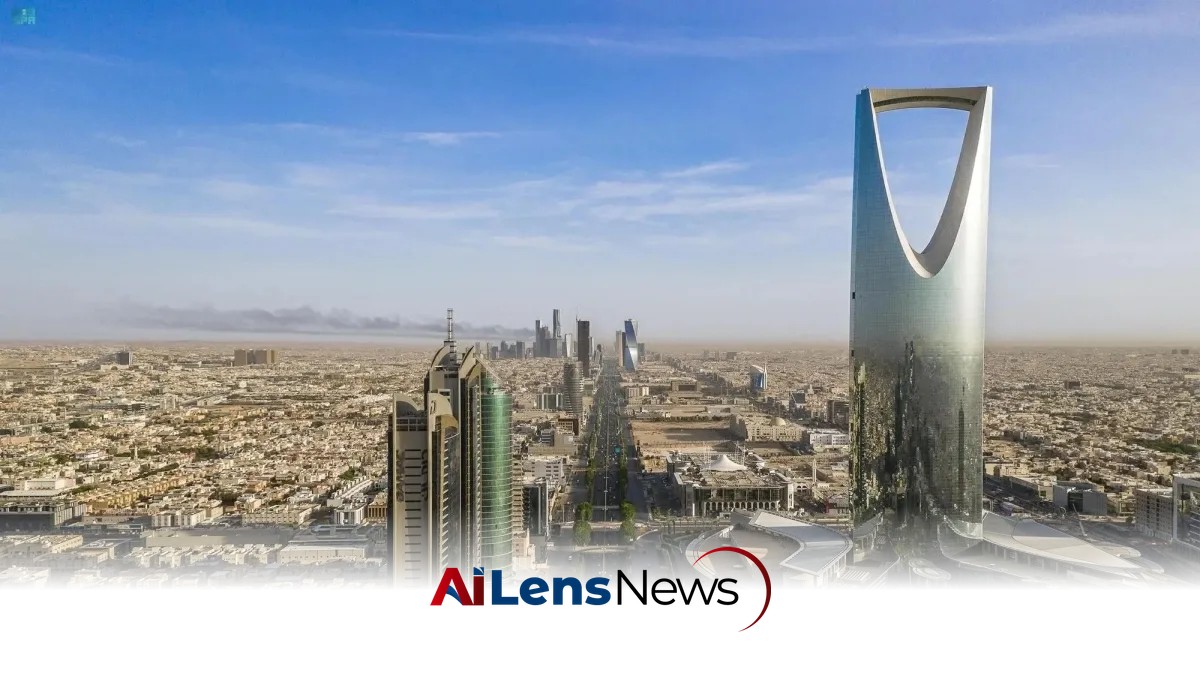


In 2025, Saudi Arabia achieved 13th place globally for foreign direct investment, with inflows soaring 53% to $32.6 billion, according to UNCTAD.
Riyadh, Saudi Arabia Jul 19, 2026 ALN: Saudi Arabia climbed to 13th place among the world's largest recipients of foreign direct investment (FDI) in 2025, up from 17th in 2024, according to the latest World Investment Report issued by the United Nations Conference on Trade and Development (UNCTAD).
The report showed that net FDI inflows into the Kingdom reached $32.6 billion in 2025, compared with $21.3 billion in 2024, marking a year-on-year increase of nearly 53%. This surge in investment is significant, especially when considering the global economic landscape, which has been characterized by uncertainty and volatility in recent years. Factors such as geopolitical tensions, the lingering effects of the COVID-19 pandemic, and fluctuations in commodity prices have all played a role in shaping investment decisions worldwide.
Saudi Arabia's total inward FDI stock also rose to $293.3 billion, reflecting continued investor confidence and the growing attractiveness of the Kingdom's strategic sectors. This increase in FDI stock indicates that not only are new investments being made, but existing investments are also being expanded, which is a positive sign for the overall health of the Saudi economy. The Kingdom's ability to attract and retain foreign investment is crucial for its long-term economic strategy, particularly as it seeks to diversify away from oil dependency.
UNCTAD attributed the strong performance to sustained investment across key sectors aligned with Saudi Vision 2030, including energy, infrastructure, technology, advanced industries, and logistics. Saudi Vision 2030 is a comprehensive reform plan launched by the Saudi government in 2016 aimed at reducing the Kingdom's dependence on oil, diversifying its economy, and promoting public service sectors such as health, education, and tourism. The Vision has laid out specific goals and initiatives designed to transform various sectors of the economy, making it more attractive to foreign investors. This ambitious framework not only reflects the aspirations of the Kingdom but also signals to the global investment community that Saudi Arabia is open for business and committed to reform.
The Kingdom has made significant strides in enhancing its investment environment over the past five years through the National Investment Strategy, which aims to enhance competitiveness, streamline market entry for investors, and support long-term economic growth. This strategy has involved regulatory reforms, the establishment of investment promotion agencies, and initiatives to improve the ease of doing business in Saudi Arabia. For instance, the government has introduced measures to simplify the process for foreign companies to establish operations in the Kingdom, including reducing bureaucratic hurdles and providing incentives for investment in priority sectors. These efforts have been crucial in building a more conducive environment for foreign investors, fostering a sense of security and predictability that is vital for long-term commitments.
One of the key sectors that has attracted substantial FDI is the energy sector, particularly renewable energy. Saudi Arabia has made a concerted effort to transition towards renewable energy sources as part of its Vision 2030 objectives. The country has set ambitious targets for renewable energy generation, aiming to produce 58.7 gigawatts (GW) of renewable energy by 2030. This has opened up opportunities for foreign investors in solar, wind, and other renewable energy projects, fostering partnerships that can drive innovation and technology transfer. The Kingdom's vast natural resources, coupled with its strategic investments in renewable energy technology, position it as a leader in the transition to a more sustainable energy future, attracting global players seeking to engage in this evolving market.
Infrastructure development has also played a crucial role in attracting foreign investment. The Kingdom has embarked on large-scale infrastructure projects, including the NEOM megacity project, which aims to create a futuristic urban environment powered by renewable energy. This project alone has garnered significant international interest and investment, showcasing Saudi Arabia's commitment to diversifying its economy and creating new economic hubs. NEOM is not just a city; it represents a vision of the future, integrating advanced technologies and sustainable practices, which has captured the imagination of investors worldwide.
Furthermore, the technology sector has seen considerable growth, with the government actively encouraging investment in digital transformation and innovation. Initiatives such as the establishment of technology parks and innovation hubs have attracted tech companies from around the globe, eager to tap into the Kingdom's growing digital economy. The Saudi government has also launched various programs to support startups and entrepreneurs, further enhancing the attractiveness of the technology landscape. This focus on technology and innovation is essential as the Kingdom seeks to position itself as a regional leader in the digital economy, which is increasingly crucial in a world that is becoming more interconnected and reliant on technology.
Logistics and advanced industries are other areas where Saudi Arabia has positioned itself as a key player in the region. The Kingdom's strategic location at the crossroads of Europe, Asia, and Africa makes it an ideal logistics hub, facilitating trade and investment flows. The government has invested heavily in improving transportation and logistics infrastructure, including ports, airports, and road networks, to support this vision. The development of logistics capabilities not only enhances the competitiveness of the Kingdom but also serves as a catalyst for attracting further investment by providing a robust framework for businesses to operate efficiently.
The increase in FDI is not only a reflection of the Kingdom's efforts to attract foreign investment but also an indication of the growing confidence of international investors in the Saudi economy. As the Kingdom continues to implement its Vision 2030 initiatives, it is expected that foreign investment will play a crucial role in driving economic growth and diversification. This confidence is particularly important in a time when many economies are facing challenges, as it highlights Saudi Arabia's potential as a stable and lucrative investment destination.
However, challenges remain. Despite the positive trends, the Kingdom must continue to address issues such as regulatory transparency, labor market reforms, and the need for a skilled workforce to sustain this momentum. Additionally, geopolitical factors, including regional tensions and global economic conditions, could impact future investment flows. The Kingdom's ability to navigate these challenges while maintaining its growth trajectory will be critical in ensuring that it remains an attractive destination for foreign investors.
In conclusion, Saudi Arabia's rise to 13th place in the global FDI rankings is a significant achievement that underscores the effectiveness of the Kingdom's strategic initiatives aimed at enhancing its investment climate. As the country moves forward with its ambitious plans, it will be essential to maintain the momentum of FDI inflows and continue fostering an environment that attracts and retains foreign investors. The implications of this growth extend beyond mere numbers; they signal a transformative shift in the Saudi economy, paving the way for a more diversified and sustainable future. The successful implementation of Vision 2030 will not only reshape the economic landscape of Saudi Arabia but also position it as a key player in the global economy, capable of attracting investment and talent from around the world.
To learn more about the latest developments in Economic Reports, stay updated with our exclusive reports and analyses on AiLensNews.

