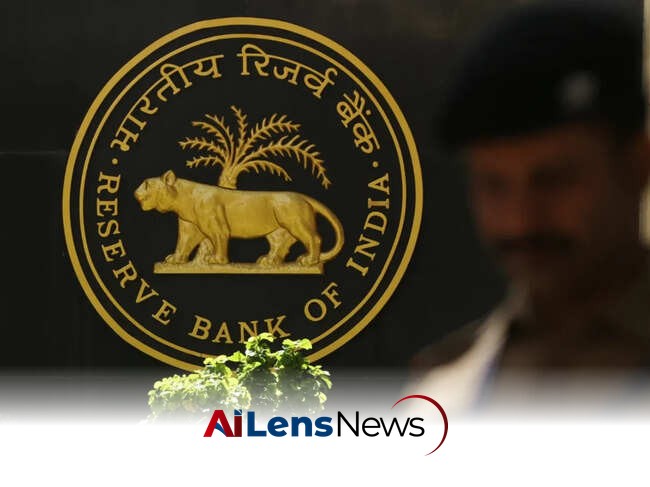


The Reserve Bank of India has informed a parliamentary panel that virtual digital assets like cryptocurrency pose a threat to India's developing and should not be legalized.
New Delhi, India Jul 3, 2026 ALN: New Delhi: The Reserve Bank of India (RBI) on Thursday informed a parliamentary panel that virtual digital assets (VDAs), including cryptocurrencies, pose a significant threat to India's emerging financial landscape and should not be legalized in the country.
The RBI presented its concerns during a meeting with the Parliamentary Standing Committee on Finance, chaired by BJP member Bhartruhari Mahtab. This committee plays a crucial role in shaping financial policies and regulations in India, and its discussions often reflect the broader regulatory environment. During the meeting, the central bank highlighted that countries like China and Qatar have already banned such financial activities, while Europe has adopted a stringent regulatory framework for VDAs. These international examples serve as a cautionary tale for India, showcasing the potential risks associated with the unregulated proliferation of digital currencies.
As the global financial landscape continues to evolve, the implications of virtual digital assets have garnered attention from regulatory bodies worldwide. Cryptocurrencies and other VDAs have emerged as a double-edged sword, offering innovative financial solutions while simultaneously raising concerns about their use in illegal activities and their impact on traditional financial systems. The RBI's position reflects a growing apprehension among regulatory authorities regarding the implications of VDAs on the Indian .
The committee's meeting focused on 'A Study on Virtual Digital Assets (VDAs) and Way Forward', indicating a proactive approach to understanding the implications of these emerging financial instruments. The RBI emphasized the potential misuse of digital currencies for illegal activities, including terror funding and drug smuggling. This concern is not unfounded, as various reports from around the world have highlighted how cryptocurrencies can be exploited for illicit transactions due to their pseudonymous nature. The central bank also pointed out the challenges in regulating offshore entities involved in crypto trading, raising questions about jurisdiction and enforcement in a globalized digital .
After the meeting, Mahtab stated that the RBI remains opposed to the legalization of VDAs in India. He noted that the committee has been reviewing aspects of VDAs in accordance with income tax laws, which indicates a recognition of the need for a legal framework that addresses the tax implications of digital assets, even as the overall legality of such assets remains contentious. The complexities of taxation in the context of VDAs present additional challenges, as the lack of clear regulations can lead to confusion among taxpayers and create opportunities for tax evasion.
Furthermore, the Institute of Chartered Accountants of India (ICAI) participated in the discussions, expressing support for a comprehensive VDA law. The ICAI indicated its readiness to provide a principle-based approach to enhance clarity for stakeholders and improve financial reporting and compliance frameworks related to VDAs. This involvement of a professional body underscores the importance of establishing a robust regulatory framework that not only addresses the risks associated with VDAs but also fosters transparency and accountability in the financial system.
The RBI's stance reflects a growing concern among regulatory authorities regarding the implications of VDAs on the Indian . The central bank's representatives reiterated that the anonymity and decentralized nature of cryptocurrencies complicate oversight and regulation. This is particularly relevant in a country like India, where financial inclusion and consumer protection are paramount. The potential for cryptocurrencies to bypass traditional financial systems raises alarms about the risks posed to investors and the broader .
In addition to the risks of illegal activities, the RBI has also raised concerns about the volatility associated with cryptocurrencies. The price fluctuations of digital currencies can lead to significant financial losses for investors, particularly those who may not fully understand the risks involved. This volatility poses a challenge for regulators who must balance the need to protect consumers with the desire to promote innovation in the financial sector. The unpredictable nature of cryptocurrency markets can deter potential investors and undermine confidence in the financial system.
As the discussions continue, the future of virtual digital assets in India remains uncertain, with significant implications for both regulation and innovation. On one hand, a blanket ban on VDAs could stifle technological advancement and limit India's ability to participate in the global digital . On the other hand, a poorly regulated environment could expose investors to substantial risks and undermine the integrity of the financial system. Policymakers face the challenge of creating a framework that allows for innovation while ensuring consumer protection and financial stability.
The global landscape surrounding cryptocurrencies is rapidly evolving, with various countries taking different approaches to regulation. Some nations have embraced cryptocurrencies and blockchain technology, viewing them as opportunities for growth and innovation. Others have taken a more cautious approach, implementing strict regulations or outright bans to mitigate risks. For instance, countries like El Salvador have adopted Bitcoin as legal tender, while nations such as China have implemented strict bans on cryptocurrency trading and mining. India's decision regarding VDAs will not only impact its domestic market but could also influence how other countries approach the regulation of digital assets.
In conclusion, the RBI's position underscores the need for caution in the face of rapidly evolving digital financial landscapes. As the government and regulatory bodies grapple with the complexities of VDAs, it is essential to engage in comprehensive discussions that consider the potential benefits and risks associated with these assets. Policymakers must strive to create a balanced regulatory framework that protects consumers while fostering innovation, ensuring that India remains competitive in an increasingly digital world. The path forward will require collaboration among various stakeholders, including government agencies, financial institutions, and industry experts, to address the challenges posed by virtual digital assets and harness their potential for growth.
To learn more about the latest developments in Monetary Policy, stay updated with our exclusive reports and analyses on AiLensNews.

