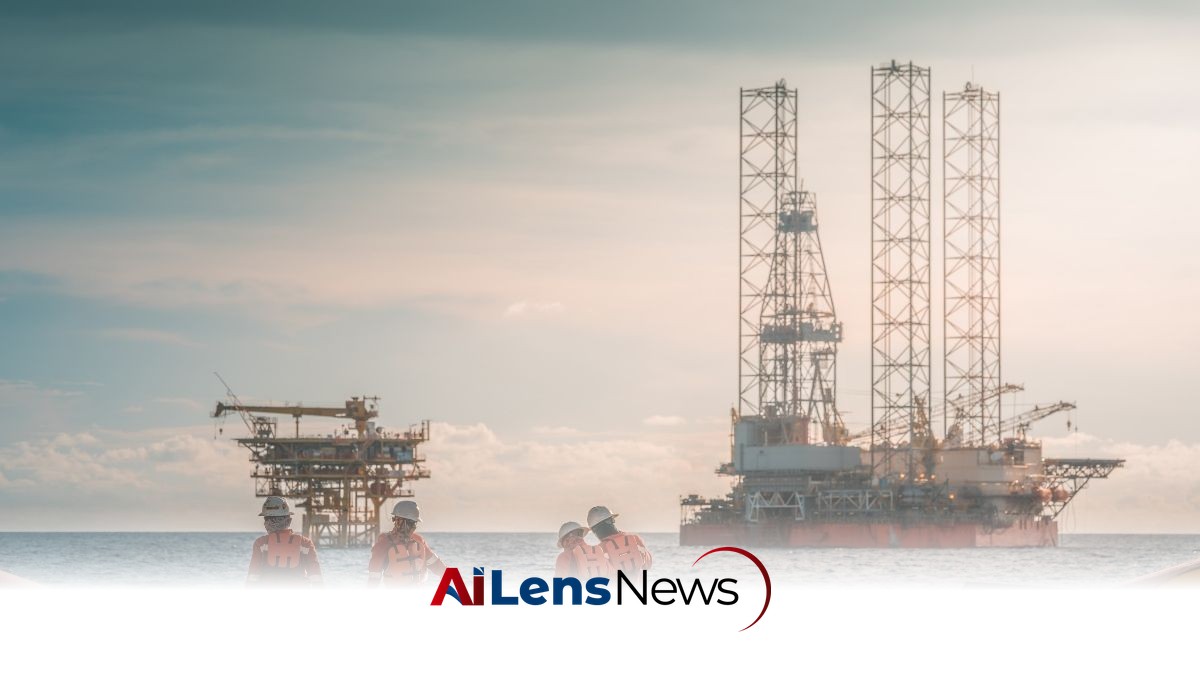


The Al Attiyah Foundation's latest review highlights a drop in oil prices due to US-Iran tensions, while LNG prices in Asia reach a one-month high.
Doha, Qatar Jul 12, 2026 ALN: Each week, Al Attiyah Foundation publishes its energy market review, bringing you the latest global news from the oil, gas and petrochemicals sector.
Oil prices settled lower on Friday, July 10, following the latest round of US-Iran hostilities as traders grew hopeful that shipping through the Strait of Hormuz would eventually resume. However, prices finished the week with sharp gains, reflecting the volatility of the market amid geopolitical tensions. The Strait of Hormuz is a critical chokepoint for global oil transport, with approximately 20% of the world's oil passing through this narrow waterway. Any disruptions in this region can lead to significant fluctuations in oil prices, impacting economies worldwide.
Brent crude futures settled at USD76.01, while US West Texas Intermediate (WTI) crude finished at USD71.41. For the week, Brent rose 5.4%, while WTI gained 4.0%. These increases come despite the backdrop of military conflict, indicating a complex interplay between geopolitical risk and market sentiment. Traders are often caught between fear of supply disruptions and the potential for diplomatic resolutions, leading to erratic price movements.
On Thursday, Iranian armed forces launched attacks on US military infrastructure in Gulf states in retaliation for US strikes on Iran’s southern coastal and eastern provinces. Iranian media reported multiple explosions across southern Iran, including in Bushehr, home to one of Iran’s nuclear power plants. The absence of further overnight US strikes on Iran likely weighed on oil prices, though reduced flows through the Strait of Hormuz continued to limit the downside. The situation underscores the precarious nature of US-Iran relations, which have been strained since the US withdrew from the Joint Comprehensive Plan of Action (JCPOA) in 2018. The potential for further escalations remains a concern for traders, as any military action could severely disrupt oil supplies and lead to further price spikes.
The geopolitical landscape surrounding the Strait of Hormuz is particularly significant given its role as a vital artery for oil exports from the Gulf region. The strait connects the Persian Gulf with the Gulf of Oman and the Arabian Sea, serving as the main transit route for oil tankers heading to global markets. In recent years, tensions between the US and Iran have escalated, with both nations engaging in a series of provocations that have heightened fears of military confrontation. The impact of such tensions on oil prices is profound; disruptions in this key shipping lane can lead to immediate price surges as traders react to the potential for supply shortages.
In addition to the direct impact on oil prices, the situation in the Strait of Hormuz also has broader implications for global energy security. Countries that rely heavily on oil imports from the Gulf region may find themselves vulnerable to price shocks and supply disruptions. This vulnerability has prompted many nations to reevaluate their energy strategies, seeking to diversify their energy sources and reduce dependence on Middle Eastern oil. As a result, we may see increased investment in renewable energy technologies and alternative supply routes as countries strive to enhance their energy resilience.
Asia’s spot liquefied natural gas (LNG) price rose for a third consecutive week to its highest level in a month, as escalating Middle East tensions fueled further concerns over supplies and shipping through the Strait of Hormuz. The average LNG price for August delivery into northeast Asia was USD18.00 per million British thermal units, up from USD16.40 per mmBtu the week before. This increase reflects the growing anxiety among buyers regarding the stability of supply routes, particularly given the region's volatility.
A recent escalation in US-Iran tensions has strained an already fragile ceasefire, after projectiles hit three tankers in the Strait of Hormuz. Such incidents not only threaten immediate supply but also raise the specter of broader military conflicts that could further disrupt energy markets. The impact of these tensions extends beyond immediate price increases; they can lead to longer-term shifts in energy procurement strategies among countries reliant on Middle Eastern oil and gas. Nations may seek to diversify their energy sources or increase strategic reserves in response to perceived threats.
In Europe, the Dutch TTF gas price settled at USD16.31 per mmBtu, posting a weekly gain of 8.3%. The escalation has raised fresh concerns over reduced LNG supply in August and September, coinciding with the Norwegian autumn maintenance season, which could prolong market tightness into late summer. The combination of geopolitical tensions and seasonal maintenance could lead to a perfect storm for energy prices in the region, as supply constraints meet rising demand. European countries, which have increasingly turned to LNG to diversify away from Russian gas, may find themselves in a precarious position if Middle Eastern supplies are disrupted.
As the situation in the Middle East continues to evolve, the implications for global energy markets become increasingly complex. Countries that rely on LNG imports are likely to face challenges in securing stable supplies, particularly if tensions escalate further. The risk of supply disruptions may prompt nations to seek alternative sources of natural gas, including increased imports from the United States or Australia, which could reshape global trade patterns in the energy sector.
The situation in the Middle East has significant implications for global energy markets. As tensions rise, countries may reconsider their energy security strategies, leading to a shift in trade patterns. For instance, nations heavily reliant on Middle Eastern oil may seek to bolster relationships with alternative suppliers or invest in renewable energy sources to mitigate risks associated with geopolitical instability. Additionally, higher prices for LNG and oil may have downstream effects on consumers, leading to increased energy costs for businesses and households alike.
Overall, the interplay between geopolitical events and energy prices remains a critical area of focus for market participants. The developments in the Strait of Hormuz serve as a reminder of the interconnectedness of global energy markets and the potential for localized conflicts to have far-reaching consequences. As the situation evolves, stakeholders will need to remain vigilant, adapting their strategies to navigate the complexities of an increasingly volatile energy landscape.
Check out ’s FREE e-Guides for everything you need to know about Qatar.
To learn more about the latest developments in Inflation & Prices, stay updated with our exclusive reports and analyses on AiLensNews.

