

FIEO urges the government to implement GST refunds for foreign tourists to enhance tourism and retail exports, alongside calls for an Apex Green Transition Fund.
New Delhi, India Jul 3, 2026 ALN: The Federation of Indian Export Organisations (FIEO) has recently made a compelling case for the Indian government to operationalise goods and services tax (GST) refunds specifically for foreign tourists. This initiative is aimed at not only promoting tourism but also enhancing retail exports, which play a significant role in India's . The call to action is rooted in Section 15 of the Integrated Goods and Services Tax (IGST) Act, 2017, which outlines a framework for providing GST refunds to foreign tourists who purchase goods while visiting India. Despite the provision being in place for nearly nine years, it remains unimplemented, leaving a gap that FIEO believes could be filled to improve the shopping experience for international visitors and stimulate the .
The implementation of GST refunds for foreign tourists is particularly significant in a country like India, which relies heavily on tourism as a key driver of growth. The tourism sector not only contributes to direct revenue through hospitality and travel services but also indirectly boosts retail sectors as tourists purchase local goods. By facilitating GST refunds, the government could incentivize more foreign tourists to shop, thereby increasing retail exports and benefiting local manufacturers and retailers.
FIEO's advocacy for this measure comes at a time when the global tourism industry is rebounding after the disruptions caused by the COVID-19 pandemic. As countries around the world strive to attract international visitors, India has an opportunity to enhance its competitive edge by making the shopping experience more appealing through tax refunds. The potential increase in retail exports could contribute significantly to the country's overall export figures, which are critical for achieving stability and growth.
In addition to the GST refund initiative, FIEO is also proposing the establishment of an 'Apex Green Transition Fund'. This fund is envisioned as a dedicated resource to support exporters in adopting cleaner technologies, improving energy efficiency, and reducing carbon intensity in their operations. The global push towards sustainability has made it imperative for countries to align with international standards, and FIEO believes that such initiatives will not only enhance the competitiveness of Indian exports but also contribute to global environmental goals.
The need for a green transition in the export sector cannot be overstated. With increasing consumer awareness regarding sustainability, exporters who can demonstrate their commitment to environmentally friendly practices may find themselves at a distinct advantage in the global market. The establishment of the Apex Green Transition Fund would provide the necessary financial support to help exporters invest in sustainable practices, thereby positioning Indian products favorably in environmentally-conscious markets.
Furthermore, FIEO has urged the central government to extend priority sector export credit to sustain growth in overseas shipments. The federation noted that while India's exports have shown remarkable resilience, particularly in the face of an increasingly uncertain global trading environment, this growth is not adequately supported by institutional credit. Recent data indicates a significant decline in export credit availability, with nearly a 14% contraction in recent periods. This decline poses serious liquidity constraints, especially for micro, small, and medium enterprises (MSMEs), which are the backbone of India's export sector.
MSMEs play a crucial role in the Indian , contributing significantly to employment and innovation. However, they often face challenges in accessing finance, which can hinder their ability to scale operations and compete effectively in international markets. FIEO's emphasis on the need for timely access to affordable working capital reflects the urgent requirement for a supportive financial environment that enables MSMEs to thrive. Inadequate availability of pre-shipment and post-shipment credit can directly affect exporters' ability to fulfill orders, diversify into new markets, and maintain competitiveness on a global scale.
During a recent Board of Trade meeting chaired by Commerce and Industry Minister Piyush Goyal, FIEO presented these pressing concerns and recommendations. They highlighted various challenges faced by exporters, including longer payment cycles, higher logistics costs, increased compliance requirements, and heightened global competition. In this context, the federation's call for the government to engage with the Reserve Bank of India (RBI) and the banking sector to restore export credit as a strategic priority is particularly relevant. By prioritizing export credit, the government can help exporters navigate the complexities of international trade and seize growth opportunities.
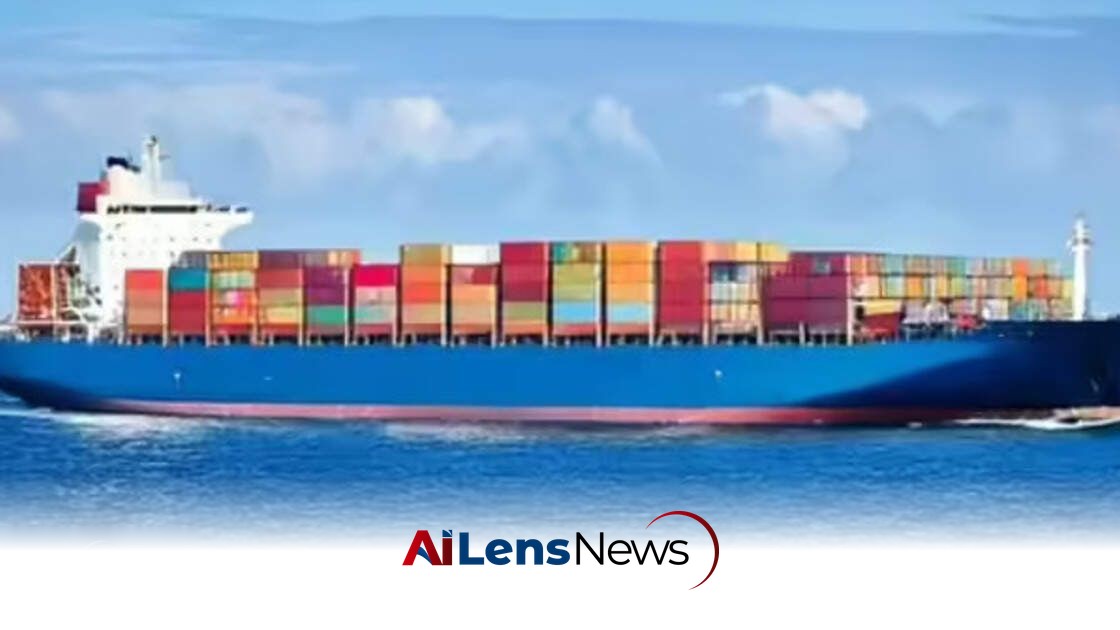
In addition to financial support, FIEO has also called for the government to address logistics-related challenges that exporters face. The federation suggested developing a framework that ensures greater transparency and reasonableness in freight-related charges. This would help to mitigate one of the significant cost burdens that exporters encounter. Furthermore, improving container and vessel availability for Indian export cargo is essential to streamline logistics operations and reduce delays. Regular dialogue between exporters and shipping lines can facilitate better communication and understanding of the needs of exporters, ultimately leading to more efficient logistics solutions.
In conclusion, FIEO's recommendations reflect a comprehensive approach to creating a more supportive ecosystem for exporters in India. By operationalising GST refunds for foreign tourists, establishing an Apex Green Transition Fund, extending priority sector export credit, and addressing logistics challenges, the government can significantly enhance the capabilities of Indian exporters. These measures are crucial for ensuring that exporters have the necessary financial assistance, concessional finance, and access to competitive technology transfer to navigate the evolving global trade landscape successfully. With these initiatives in place, India can work towards achieving its ambitious target of becoming a USD 2 trillion export , thereby contributing to national growth and employment generation.
To learn more about the latest developments in Trade & Commerce, stay updated with our exclusive reports and analyses on AiLensNews.

