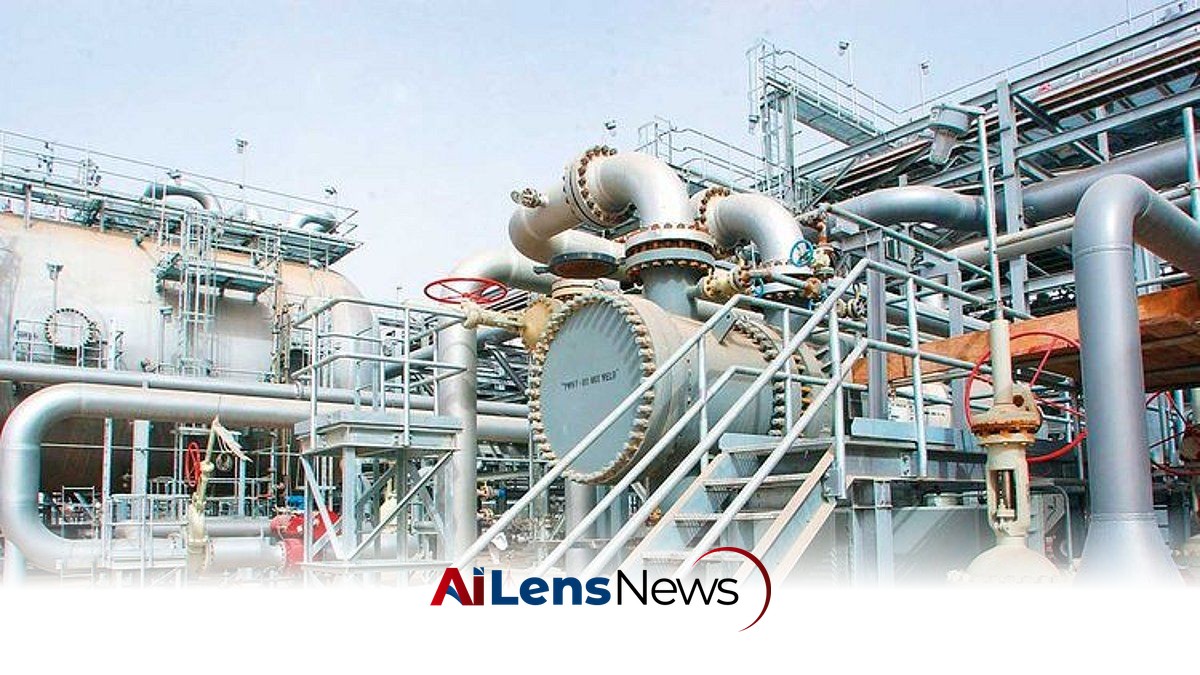


Crude oil prices see a significant rise as military actions intensify in the Gulf, raising concerns over global supply disruptions.
Kuwait City, Kuwait Jul 14, 2026 ALN: Global oil prices surged nearly 10% on Monday, marking their largest one-day gain in years, following intensified US military operations against Iran and the announcement of stricter maritime measures around the Strait of Hormuz. This escalation has sparked fears of a prolonged disruption to one of the world's most critical energy corridors, which plays a significant role in the global oil supply chain.
Brent crude, the international benchmark, jumped $7.14, or 9.4%, reaching $83.15 a barrel, while the U.S. benchmark West Texas Intermediate (WTI) climbed $6.68, or 9.35%, to $78.09. The sudden rise in prices reflects not only immediate market reactions but also deep-seated concerns about the geopolitical stability in the region and its implications for global energy security.
Gasoline futures rose nearly 6%, and heating oil gained more than 8%, indicating expectations of higher fuel costs for consumers and businesses alike. The increase in oil prices often leads to higher transportation costs, which can subsequently drive up prices for goods and services across various sectors. In contrast, investors shifted away from precious metals, with gold falling 2.9% and silver dropping 3.7%, suggesting a flight to riskier assets amid rising oil prices.
The rally followed a sharp escalation in the Gulf after President Donald Trump ordered additional military action against Iran and announced that the US would reinstate a naval blockade targeting Iranian shipping starting this week. The decision to enhance military presence in the region is rooted in a long-standing conflict characterized by a series of confrontations and retaliatory actions that have heightened tensions between the two nations.
This renewed confrontation comes after successive US strikes on Iranian military targets and Tehran's attacks on commercial vessels in the Strait of Hormuz. Such actions have raised alarms about the potential for broader military engagement, which could further destabilize the region and lead to significant disruptions in oil supply.
The Strait of Hormuz is vital, carrying about 20% of the world's oil consumption and a significant share of global liquefied natural gas exports. Any threat to shipping through this narrow waterway immediately reverberates across energy markets, as major exporters—including Saudi Arabia, Iraq, Kuwait, the United Arab Emirates, and Qatar—depend on the route to reach international customers. Disruptions in this corridor could lead to a significant increase in shipping costs and insurance premiums, further exacerbating the economic impact of rising oil prices.
Oil prices had retreated in recent weeks after hopes of a ceasefire eased concerns over supply disruptions. However, those gains were reversed following renewed fighting, with traders factoring in the risk of reduced exports, shipping delays, and higher insurance costs for tankers operating in the Gulf. The volatility in oil prices reflects the market's sensitivity to geopolitical events, which can swiftly alter supply and demand dynamics.
Despite Monday's surge, Brent remains well below the nearly $120-a-barrel peak reached during the height of the 2026 Iran conflict. This historical context underscores the cyclical nature of oil price fluctuations driven by geopolitical tensions, economic conditions, and overall market sentiment.
The spike in crude oil prices also sent shockwaves through global financial markets. Wall Street stocks closed lower as investors expressed concern that higher energy prices could reignite inflation, complicating central banks' plans for interest-rate cuts and negatively impacting corporate earnings. The interconnectedness of oil prices and broader economic indicators highlights the importance of energy costs in shaping monetary policy and influencing investor behavior.
Technology shares led the decline, while Treasury yields moved higher, indicating a shift in market sentiment as investors recalibrated their expectations in light of rising oil prices. Analysts predict that oil markets are likely to remain highly volatile in the coming days as traders monitor whether military operations expand further and whether commercial shipping through the Strait of Hormuz continues uninterrupted.
Any sustained disruption to Gulf exports could tighten global supplies and exert additional upward pressure on fuel prices worldwide. The potential for increased costs at the pump could lead to consumer backlash, influencing public sentiment and potentially impacting political decisions in oil-dependent economies.
In addition, rising oil prices could have broader implications for global economic growth. Higher energy costs can lead to increased inflationary pressures, which may prompt central banks to reconsider their monetary policies. Countries heavily reliant on oil imports may experience trade balance issues, while oil-exporting nations could see a boost in revenues, potentially altering their fiscal strategies.
Furthermore, the geopolitical landscape remains complex, with various stakeholders involved in the region. The US's military actions against Iran are not only a response to immediate threats but also part of a larger strategy to curb Iranian influence in the Middle East. This ongoing tension could lead to further escalations, affecting not just oil prices but also regional stability and international relations.
As the situation develops, market participants will be closely watching for any signals from the US government regarding future military engagements and diplomatic efforts aimed at de-escalation. The interplay between military actions, diplomatic negotiations, and market reactions will continue to shape the trajectory of oil prices in the near term.
In conclusion, the recent surge in oil prices amid escalating US-Iran tensions highlights the fragility of global energy markets and the far-reaching consequences of geopolitical conflicts. As traders and investors navigate this volatile landscape, the implications for consumers, businesses, and policymakers will be significant, underscoring the critical importance of energy security in today's interconnected world.
To learn more about the latest developments in Economic Reports, stay updated with our exclusive reports and analyses on AiLensNews.

