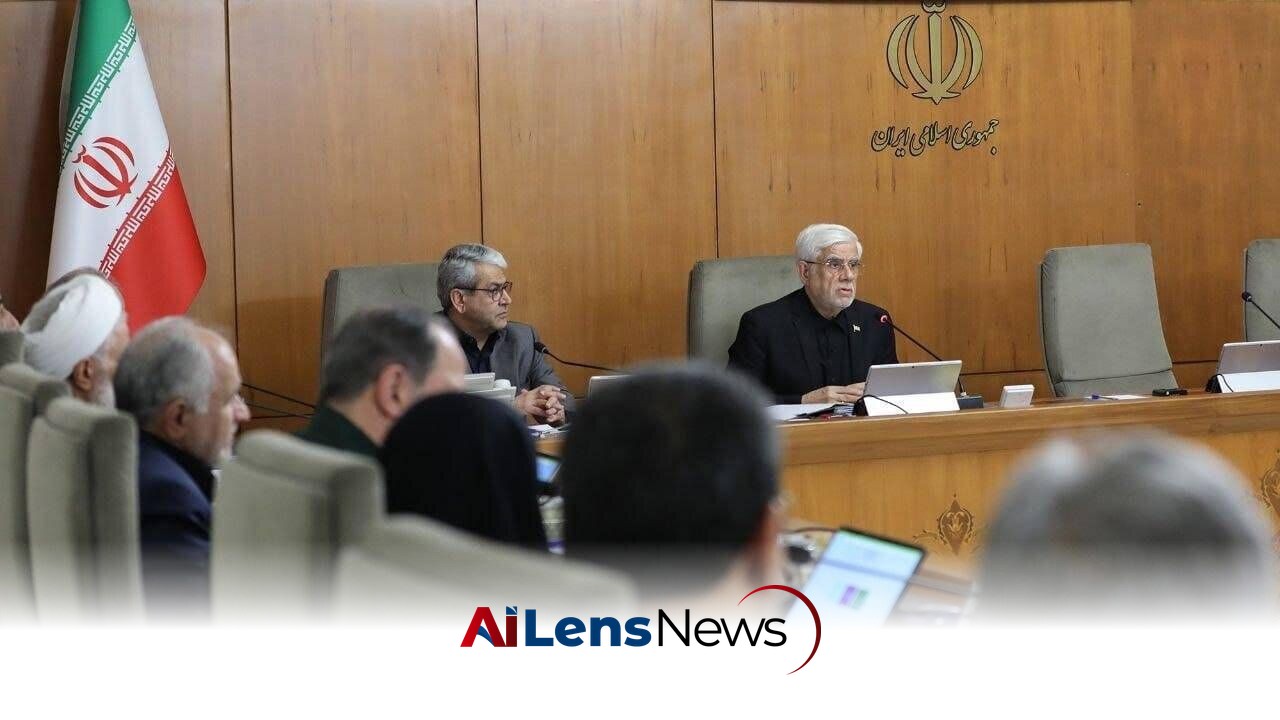


TEHRAN- The Iranian Cabinet has approved measures to support businesses affected by war, including assistance for resilience and employment protection.
Tehran, Iran Jul 13, 2026 ALN: TEHRAN- The Iranian Cabinet has approved measures to support businesses affected by war, including assistance for resilience and employment protection. This decision comes in light of the ongoing economic challenges faced by many sectors within Iran, particularly those that have been directly impacted by conflict and instability. The government's focus on supporting these businesses reflects a broader strategy to stabilize the national economy and ensure that employment levels are maintained during difficult times.
During the Cabinet meeting on July 12, the Ministries of Health, Treatment and Medical Education, along with the Ministry of Agriculture, were instructed to compile a list of customs tariff codes for essential goods and medicines. This list is to be submitted within one week to the Customs Administration of the Islamic Republic of Iran, allowing for exemptions from a twelve per thousand customs value charge. The exemption is significant as it aims to reduce the financial burden on businesses that rely on importing essential goods and medical supplies, which have become increasingly critical in the context of both health crises and economic sanctions.
The economic landscape in Iran has been heavily influenced by various factors, including international sanctions, internal political dynamics, and the repercussions of regional conflicts. As a result, many businesses have struggled to operate effectively, leading to job losses and decreased economic activity. By providing these tariff exemptions, the Iranian government is attempting to alleviate some of the financial pressures on businesses, enabling them to continue operations and retain employees.
Additionally, the Cabinet amended the approval concerning the allocation of resources under Clause (15) of the national budget law for the year 1404 (2025-2026). This amendment aims to bolster support for war-affected economic enterprises, enhance the resilience of business owners, and safeguard existing employment opportunities. The emphasis on resilience is particularly noteworthy, as it indicates a proactive approach by the government to not only support businesses in the short term but also to ensure their long-term sustainability in a challenging economic environment.
The implications of these measures are multi-faceted. For one, they signal a recognition by the Iranian government of the dire circumstances faced by many businesses, particularly those in conflict-affected areas. By prioritizing support for these enterprises, the government is likely hoping to stimulate economic recovery and foster a more stable business environment. This could, in turn, lead to increased investor confidence and potentially attract foreign investment, which has been lacking in recent years due to the aforementioned sanctions and instability.
Furthermore, the Cabinet's focus on health-oriented services is also indicative of a broader public health strategy. In recent years, Iran has faced significant challenges related to healthcare, exacerbated by the COVID-19 pandemic and economic sanctions that have limited access to necessary medical supplies. By approving measures that strengthen health-oriented services, the government is not only addressing immediate health concerns but also laying the groundwork for a more resilient healthcare system that can better withstand future crises.
Moreover, the Cabinet issued a permit for resolving specific disputes arising from the execution or interpretation of contracts related to development projects. These disputes can now be referred to arbitration by the Supreme Technical Council and the Provincial Technical Councils. This move is significant as it introduces a mechanism for conflict resolution that can help expedite development projects, which are essential for economic growth and infrastructure improvement in the country. The ability to resolve disputes efficiently is crucial in maintaining momentum in development efforts, particularly in a context where delays can lead to increased costs and lost opportunities.
The approval of these measures also underscores the Iranian government's commitment to addressing the needs of its business community, particularly in times of crisis. By providing targeted support to war-affected businesses, the government is acknowledging the unique challenges these enterprises face and is taking steps to mitigate the impact of ongoing conflicts on the economy.
In conclusion, the Iranian Cabinet's recent decisions reflect a comprehensive approach to supporting businesses affected by war and economic challenges. By implementing tariff exemptions, amending budget allocations, enhancing health services, and facilitating dispute resolution, the government is working to create a more favorable environment for businesses to thrive. As these measures take effect, it will be important to monitor their impact on the economy, employment rates, and the overall stability of the business sector in Iran. The success of these initiatives could serve as a model for future economic policies aimed at fostering resilience and growth in the face of adversity.
The backdrop to these measures is critical to understanding their potential impact. Iran's economy has been grappling with the consequences of long-standing international sanctions, particularly those imposed by the United States, which have severely restricted its ability to engage in international trade and finance. These sanctions have been compounded by regional conflicts, including tensions with neighboring countries and internal strife, leading to a precarious economic situation.
In recent years, the Iranian government has sought to pivot towards self-sufficiency and reduce reliance on foreign imports. This has involved investment in domestic industries and a push for local production. However, the challenges remain significant, particularly in sectors that require specialized equipment or materials that are not readily available within the country. The tariff exemptions for essential goods and medicines are a direct response to these challenges, aimed at enabling businesses to source necessary supplies without the overwhelming burden of high import costs.
Additionally, the focus on resilience and employment protection can be seen as part of a broader social contract between the government and its citizens. In a country where unemployment rates have been a persistent issue, particularly among youth, the government's commitment to safeguarding jobs is vital for maintaining social stability. The potential for increased unemployment could lead to social unrest, which the government is keen to avoid.
Moreover, the Cabinet's emphasis on public health is particularly timely given the ongoing global health crisis. The COVID-19 pandemic has highlighted vulnerabilities in healthcare systems worldwide, and Iran is no exception. The pandemic has exacerbated existing health disparities and placed additional strain on an already beleaguered healthcare system. By prioritizing health services in its economic support measures, the Iranian government is not only addressing immediate health needs but also investing in the long-term well-being of its population.
The implications of these decisions extend beyond immediate economic relief. If successful, these measures could help restore some degree of confidence in the Iranian economy, potentially attracting domestic and foreign investment. However, the effectiveness of these measures will largely depend on their implementation and the broader geopolitical context. Continued sanctions and regional tensions could undermine any progress made through these initiatives.
In summary, the Iranian Cabinet's recent measures are a strategic response to the multifaceted challenges facing the country. By supporting war-affected businesses, enhancing healthcare services, and providing mechanisms for dispute resolution, the government is attempting to create a more resilient economic environment. The success of these initiatives will be crucial in determining the future trajectory of Iran's economy and its ability to navigate the complex landscape of international relations and domestic challenges.
To learn more about the latest developments in Inflation & Prices, stay updated with our exclusive reports and analyses on AiLensNews.

