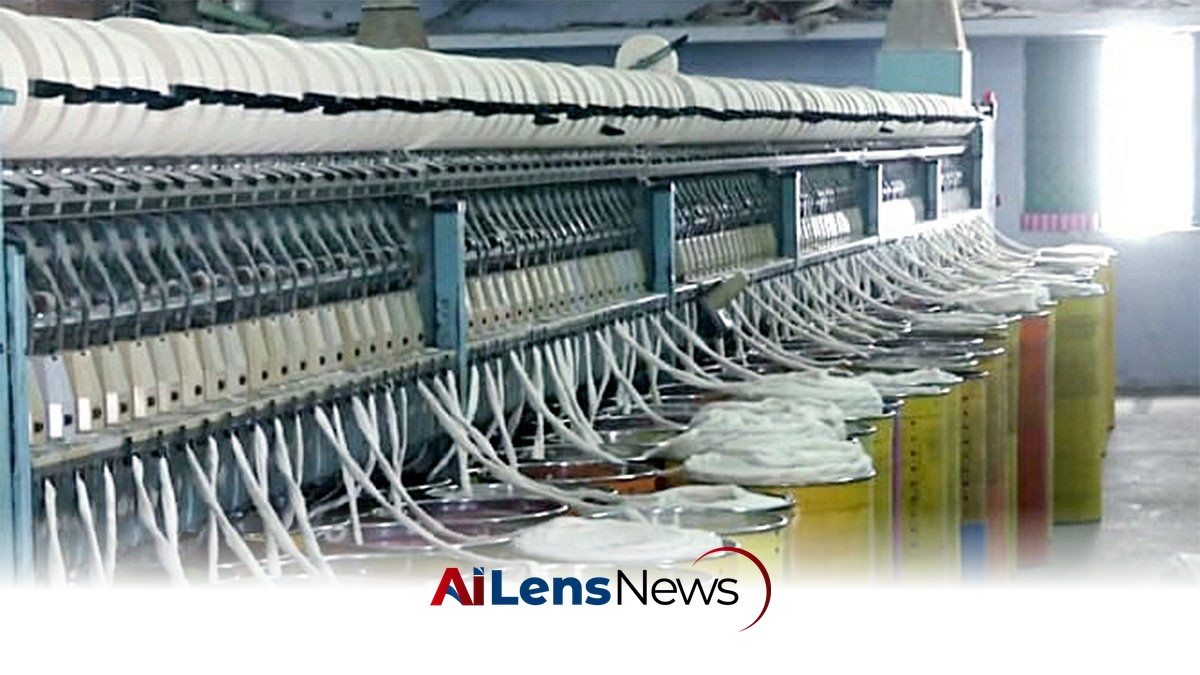


A new Crisil report indicates that polyester yarn manufacturers will face a 2-3% decline in volumes due to the ongoing conflict in West Asia affecting raw material sourcing.
New Delhi, India Jul 24, 2026 ALN: The ongoing conflict in West Asia has begun to exert significant pressure on the global polyester yarn market, with manufacturers bracing for a projected 2-3% reduction in production volumes during the current fiscal year. This anticipated decline is largely attributed to disruptions in the sourcing of critical raw materials that are intricately linked to crude oil prices. The situation has been exacerbated by a notable increase in petroleum prices, which have surged by approximately 15% recently, reaching levels between $80 and $85 per barrel. As a result, manufacturers are finding themselves in a precarious position where they must navigate the complexities of cost increases while striving to maintain their market share.
The Crisil Ratings report sheds light on the cautious strategies being employed by manufacturers in response to these challenges. With the looming threat of further price hikes in raw materials, they are taking a measured approach before passing these costs onto consumers. The report indicates that manufacturers are contemplating a price increase of around 6-7% in the near future; however, they are prioritizing the preservation of volume over immediate profit margins. This balancing act is expected to come at a cost, as operating margins are projected to decline by 100-150 basis points (bps), which will inevitably have repercussions on cash accruals.
Despite these challenges, the report suggests that the overall impact on operating cash flows may be somewhat mitigated due to manufacturers' strategies to reduce inventory holdings amid heightened price volatility. By maintaining lower levels of inventory, companies can manage working capital more effectively, which in turn could lead to reduced borrowings. This prudent financial management is essential for ensuring that balance sheets remain stable, even in the face of declining debt protection metrics.
Industry experts have noted a significant drop in demand for polyester, with reports indicating a staggering 20% decline. This downturn is largely attributed to the disruptions caused by the West Asia conflict, which has had a ripple effect on the downstream textile segment that heavily relies on polyester. The first quarter of the current fiscal year has been particularly challenging, as manufacturers grapple with the implications of reduced demand and the need to recoup lost volumes. In light of this situation, manufacturers are expected to adopt a cautious approach when it comes to passing on increased input costs to consumers. This strategy aims to limit the overall volume de-growth to the aforementioned 2-3% for the fiscal year.
The Crisil report highlights that crude oil-linked raw materials, specifically purified terephthalic acid (PTA) and monoethylene glycol (MEG), constitute a significant portion of the revenue for polyester manufacturers, accounting for approximately 60-65%. Given this dependency, the anticipated price increases and the subsequent impact on operating margins are concerning. Operating margins are expected to decline to a range of 5-5.5% this fiscal year, down from 6.5% in the previous fiscal year. This decline underscores the vulnerability of polyester yarn manufacturers to fluctuations in crude oil prices and the broader geopolitical landscape.
In terms of capital expenditures (capex), the report indicates that spending is expected to remain modest. Manufacturers are likely to focus on routine modernization efforts and the completion of expansion plans initiated in previous years. This cautious approach to capex reflects a broader trend in the industry, where companies are prioritizing financial stability over aggressive growth strategies in the face of uncertain market conditions. As a result, incremental debt addition is anticipated to remain contained, further supporting the notion that manufacturers are taking a conservative stance in their financial planning.
Despite the expected moderation in operating performance, the report notes that the overall credit profiles of polyester yarn manufacturers are likely to remain stable. This is primarily due to lower working capital needs and modest capex requirements, which can help offset some of the negative impacts of declining operating performance. However, the expected moderation in key financial metrics raises concerns about the long-term viability of some manufacturers, particularly those with higher levels of debt.
Debt protection metrics are projected to deteriorate as a result of the current market conditions. For instance, interest coverage ratios are expected to fall to an estimated 3.5-3.6 times, down from approximately 4.3 times in the previous fiscal year. Additionally, the ratio of net cash accruals to total debt is anticipated to decrease from 26% to around 22%. These shifts highlight the tightening financial environment that polyester yarn manufacturers are navigating, as they grapple with both external pressures and internal operational challenges.
The implications of the West Asia conflict extend beyond immediate production issues; they encompass broader economic concerns that could reverberate across various sectors. The interconnectedness of the global economy means that disruptions in one region can lead to cascading effects elsewhere. For instance, the textile industry, which heavily relies on polyester, may face increased costs and reduced supply, affecting everything from fashion to home textiles. This can lead to higher retail prices for consumers, thereby impacting overall consumer spending and economic growth.
Moreover, the geopolitical tensions in West Asia could lead to a reevaluation of supply chains for many industries, including textiles. Companies may seek to diversify their sources of raw materials to mitigate risks associated with geopolitical instability. This shift could result in increased investments in alternative materials or sourcing from more stable regions, which may have long-term implications for the polyester market and its supply dynamics.
In conclusion, the impact of the West Asia conflict on polyester yarn production is multifaceted and complex. As manufacturers contend with rising raw material costs, declining demand, and the need to maintain financial stability, the industry is likely to face a challenging fiscal year ahead. The strategies employed by manufacturers will be crucial in determining their ability to weather these challenges and sustain their operations in an increasingly volatile market. As the situation evolves, stakeholders in the polyester yarn sector will need to remain vigilant and adaptable to navigate the uncertainties that lie ahead. Addressing these challenges proactively will be essential not only for the survival of individual companies but also for the health of the broader textile industry, which remains a vital component of the global economy.
To learn more about the latest developments in Economic Reports, stay updated with our exclusive reports and analyses on AiLensNews.

