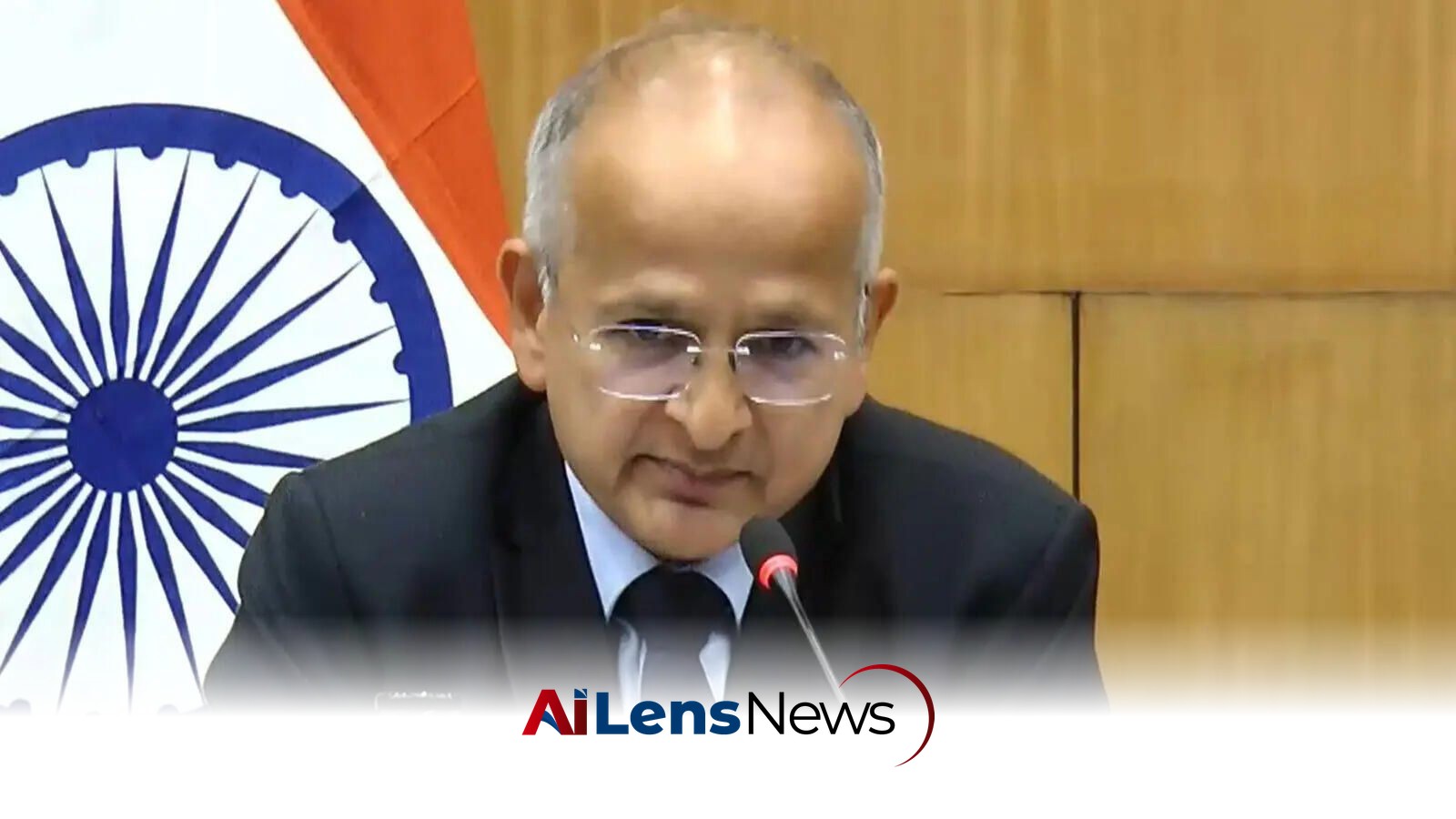


India is actively engaged in upgrading its trade agreements with ASEAN partners and progressing towards a comprehensive cooperation agreement with Australia.
New Delhi, India Jul 4, 2026 ALN: The Ministry of External Affairs (MEA) of India has recently announced its efforts to review and upgrade the ASEAN-India Trade in Goods Agreement (AITIGA), a significant step aimed at enhancing trade relations between India and the ASEAN member states. This move comes at a crucial time as India seeks to bolster its regional ties, particularly in light of Prime Minister Narendra Modi's upcoming visits to Indonesia, Australia, and New Zealand. The concurrent negotiations for a Comprehensive Cooperation Agreement (CECA) with Australia further illustrate India's commitment to deepening its engagements in the Asia-Pacific region.
The AITIGA, originally signed in 2009, has been a cornerstone of trade relations between India and the ASEAN bloc, which comprises ten member countries: Brunei, Cambodia, Indonesia, Laos, Malaysia, Myanmar, the Philippines, Singapore, Thailand, and Vietnam. This agreement was designed to facilitate trade in goods by reducing tariffs and creating a more favorable trading environment. However, as noted by Rudrendra Tandon, Secretary (East) in the MEA, the agreement is now seen as outdated, not fully reflecting the current realities and trade dynamics between India and ASEAN. The review process aims to address these disparities and promote greater liberalization of trade.
Tandon emphasized that the review of AITIGA is a multilateral process, necessitating the involvement of all ASEAN member states. This collaborative approach is crucial, as it ensures that the interests of all parties are considered, fostering a more equitable trading environment. The upgrade is expected to enhance tariff concessions and potentially expand the scope of the agreement to include new sectors that are vital for growth, such as services and investment. Continuous dialogue with ASEAN economies is essential for the successful advancement of this review, highlighting India's strategic intent to position itself as a key player in regional trade.
The significance of the AITIGA cannot be overstated, as it has facilitated the flow of goods between India and ASEAN, leading to increased trade volumes and greater integration. However, the global trade landscape has evolved significantly since its inception, with emerging economies and changing trade dynamics necessitating a reevaluation of existing agreements. The proposed upgrades to AITIGA are expected to address these challenges, ensuring that the agreement remains relevant and beneficial for all parties involved.
In addition to the AITIGA review, India is also making significant strides in its trade discussions with Australia. Joint Secretary (Oceania) Vishwesh Negi revealed that both nations are working diligently towards finalizing a balanced CECA, which aims to create a comprehensive framework for cooperation. The CECA is seen as a natural progression following the Cooperation and Trade Agreement signed in 2022, which laid the groundwork for enhanced trade relations between the two countries. The focus on achieving a balanced agreement underscores India's intention to ensure that the benefits of trade liberalization are mutual and equitable.
Negotiations for the CECA are currently being led by the Ministry of Commerce, with teams from both sides actively engaged in discussions. The expectation is to produce a document that reflects the interests of both nations, facilitating increased trade and investment flows. This agreement is particularly significant given Australia’s strategic role in the Indo-Pacific region, and it aligns with India’s broader foreign policy objectives of strengthening ties with key partners in the area. Australia's position as a major and a crucial player in the global supply chain makes this agreement vital for India's aspirations to enhance its footprint in the region.
Prime Minister Modi's upcoming three-nation visit is set to take place from July 8 to July 11, with stops in Indonesia, Australia, and New Zealand. This trip is particularly noteworthy as it will mark the first visit by an Indian Prime Minister to New Zealand in forty years, signaling a renewed focus on strengthening bilateral relations. In Indonesia, the discussions will revolve around reviewing the existing bilateral partnership, which has seen considerable growth in recent years, particularly in trade and investment. The mutual interest in enhancing trade relations is expected to be a key topic during Modi's meetings with Indonesian leaders.
In Australia, Modi will participate in the third India-Australia Annual Summit, where leaders from both nations will discuss various aspects of their bilateral relationship, including trade, security, and cultural ties. The summit is expected to provide a platform for both countries to reaffirm their commitment to deepening their strategic partnership, particularly in light of the evolving geopolitical landscape in the Indo-Pacific region. The discussions are likely to focus on enhancing cooperation in areas such as defense, technology, and climate change, which are critical for both nations.
These developments reflect India's proactive approach in enhancing trade relations within the region. As the global landscape continues to evolve, India recognizes the importance of fostering partnerships with ASEAN and Australia to bolster its growth and security. By upgrading existing trade agreements and pursuing new ones, India aims to position itself as a central player in regional trade dynamics, thereby enhancing its influence in the Asia-Pacific region.
The emphasis on multilateralism and balanced agreements underscores India's commitment to equitable trade practices that benefit all parties involved. This approach not only strengthens India's ties with ASEAN and Australia but also contributes to the broader goal of regional stability and prosperity. As India continues to engage with its partners, the outcomes of these negotiations will likely have far-reaching implications for its trade policy and strategy in the coming years.
Moreover, the broader implications of these trade agreements extend beyond mere benefits. Strengthening trade ties with ASEAN and Australia could also enhance India's strategic positioning in the Indo-Pacific region, a space of increasing geopolitical significance. The Indo-Pacific has become a focal point for major powers, with countries like the United States, China, and Japan actively engaging in various forms of cooperation and competition. In this context, India's efforts to deepen its ties with regional partners can be seen as a strategic maneuver to enhance its influence and counterbalance the growing assertiveness of other powers.
Furthermore, the integration of services and investment into the upgraded AITIGA could open up new avenues for Indian businesses, particularly in sectors like information technology, education, and healthcare, where India has significant competitive advantages. This could lead to increased job creation and growth domestically while also enhancing India's export potential in high-value sectors.
As negotiations progress, it is essential for India to remain adaptable and responsive to the evolving needs of its trade partners. The success of these agreements will depend on the ability of Indian negotiators to balance domestic interests with the demands of international partners. Engaging with stakeholders from various sectors, including industry representatives and civil society, will be crucial in shaping a trade policy that is inclusive and beneficial for all segments of society.
In conclusion, India's push to upgrade the ASEAN FTA and advance talks on CECA with Australia reflects a broader strategy to enhance its and strategic ties within the Asia-Pacific region. By actively engaging in multilateral trade agreements, India aims to bolster its growth, enhance its global standing, and contribute to regional stability. The outcomes of these negotiations will not only shape India's trade landscape but also have significant implications for its foreign policy and strategic objectives in the coming years.
To learn more about the latest developments in Trade & Commerce, stay updated with our exclusive reports and analyses on AiLensNews.

