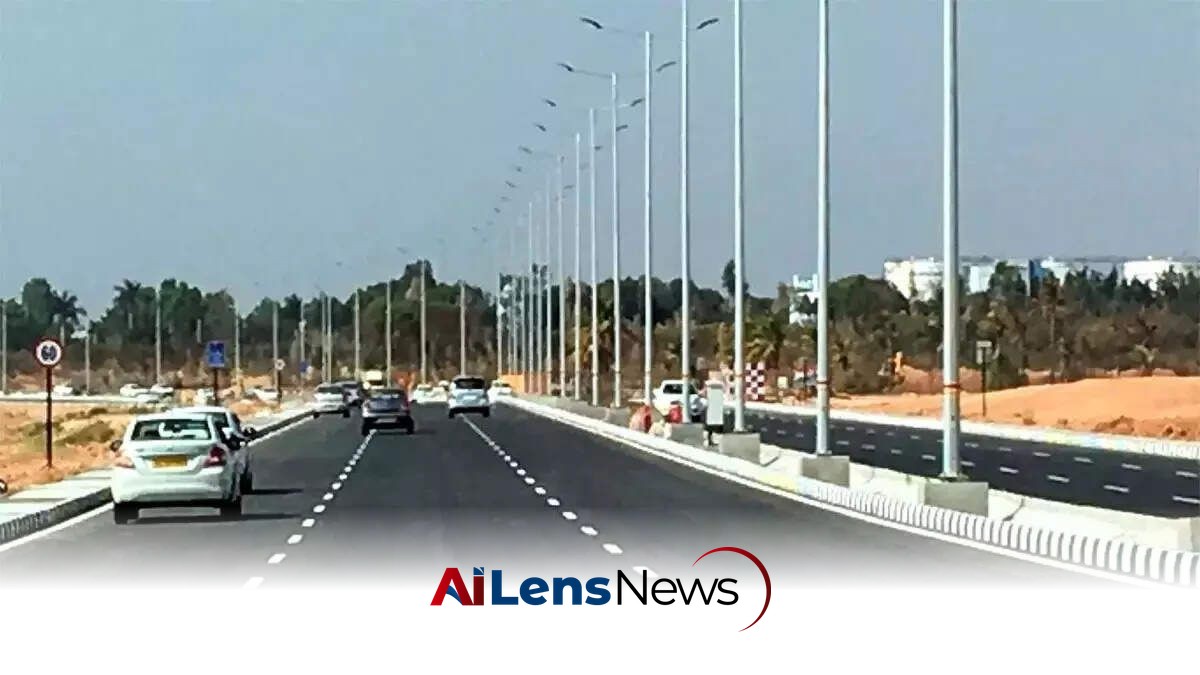


Seven states, including Uttar Pradesh and Gujarat, are set to receive significant national highway construction ahead of upcoming elections, highlighting infrastructure priorities.
New Delhi, India Jul 21, 2026 ALN: New Delhi: Nearly a quarter of national highways to be built in FY27 will be in seven states slated to go to polls next calendar year, according to the road ministry. These states will also get nearly 20% of total projects to be awarded this year as the Centre sharpens focus on infrastructure development to win state elections.
Uttar Pradesh, Gujarat, Punjab, Himachal Pradesh, Uttarakhand, Manipur, and Goa, where assembly elections are due in 2027, will see 24.1% of total highway construction, while 18.3% of highways awarded will be in these seven states, shows an internal office memorandum of the ministry, a copy of which was seen by ET.
A total of 2,204 km of highways will be awarded in these states while 2,238 km will be built in 2026-27, the document showed.
Infrastructure Development as a Political Strategy
"Highway projects signal the pace of development in any state," said a senior government official. "Over the next six months, priority approvals are expected for road projects in these states while the pace of construction will also go up." This statement reflects a broader understanding among policymakers that infrastructure development is closely tied to political fortunes, especially in a country where public perception of government performance can significantly influence electoral outcomes.
The ministry has set an internal target of awarding 12,000 km of roads and constructing 9,700 km of national highways this fiscal year through three implementing agencies. This ambitious agenda aligns with the government's broader infrastructure push, which has been a cornerstone of its policy. The focus on highways is particularly strategic, as these projects not only enhance connectivity but also create jobs and stimulate local economies.
Of this, the ministry's road wing will award 5,600 km of highways and build 3,900 km, while the NHAI will award 5,200 km and build 4,950 km. The National Highways & Infrastructure Development Corporation Ltd (NHIDCL) will award 1,200 km and construct 850 km of highways. Such a diversified approach through multiple agencies aims to streamline the process of highway development and ensure that projects are completed in a timely manner.
The road ministry's construction target of 9,700 km for 2026-27 is modest compared to an estimated 9,400 km built in FY26. However, targets for award are 71.4% higher at 12,000 km versus 7,000 km awarded last fiscal year. This marked increase in targets indicates a significant ramp-up in government efforts to address infrastructure deficits, which have been a long-standing issue in many regions of the country.
The BJP-led government is already in power in five of the seven states headed to the polls except Himachal Pradesh and Punjab. This political landscape is crucial as the ruling party seeks to consolidate its power and appeal to voters through tangible development projects. The focus on highway construction is expected to play a crucial role in influencing voter sentiment as elections approach, underscoring the government's commitment to infrastructure development.
Infrastructure projects, particularly highways, have historically been viewed as a barometer of a government's effectiveness. Voters often associate improved infrastructure with better governance, growth, and enhanced quality of life. As such, the timing of these highway projects in the run-up to elections is no coincidence; it reflects a calculated effort by the ruling party to leverage development as a means of securing electoral success.
Moreover, the implications of such infrastructure developments extend beyond immediate political gains. Improved national highways are likely to enhance connectivity between urban and rural areas, facilitating trade and commerce. This can lead to increased activity, which is beneficial not just for the regions directly impacted by the highways but for the national as a whole. Enhanced transport infrastructure can also lead to improved access to education and healthcare services, thereby contributing to overall social development.
However, the focus on highway construction also raises questions about the sustainability of such rapid development. Critics argue that while infrastructure projects are essential, they must be balanced with environmental considerations and the needs of local communities. The challenge lies in ensuring that these projects do not lead to displacement of communities or degradation of natural resources. As the government moves forward with its ambitious plans, it will need to address these concerns to ensure that infrastructure development is both effective and equitable.
In summary, the upcoming national highway developments in poll-bound states signify a strategic intersection of infrastructure policy and electoral politics. With a significant portion of highway construction and awards concentrated in states facing elections, the government is clearly positioning itself to capitalize on the potential benefits of improved infrastructure. This approach not only aims to boost voter sentiment but also seeks to ensure long-term and social benefits through enhanced connectivity and development. As the situation unfolds, it will be crucial to monitor how these developments impact both the political landscape and the everyday lives of citizens in these states.
The broader context of these highway developments can also be understood in light of India's ongoing efforts to enhance its infrastructure capabilities. Over the past few years, the government has invested heavily in various infrastructure projects, recognizing that robust transportation networks are essential for growth. The National Infrastructure Pipeline, launched in 2019, aims to invest over $1.4 trillion in infrastructure projects across the country, including roads, railways, ports, and airports. This initiative underscores the government's commitment to improving infrastructure as a means to stimulate growth and improve the standard of living for citizens.
Furthermore, the focus on highways is particularly pertinent in the context of India's demographic trends. With a growing population and increasing urbanization, the demand for efficient transportation systems is more pressing than ever. As cities expand and rural areas seek better connectivity, the need for a comprehensive and well-maintained highway network becomes critical. The government's emphasis on highways can thus be seen as a response to these emerging challenges, aiming to create a more integrated and accessible transportation system.
In addition to and political considerations, infrastructure development also has social implications. Improved highways can facilitate better access to markets, education, and healthcare, particularly in rural areas that have historically been underserved. By enhancing connectivity, the government aims to bridge the urban-rural divide and promote inclusive growth. This aligns with the broader goals of sustainable development, which seeks to ensure that all citizens have access to the resources and opportunities they need to thrive.
However, as the government embarks on this ambitious highway construction agenda, it must also be mindful of the lessons learned from past infrastructure projects. Instances of environmental degradation, community displacement, and inadequate planning have marred some previous initiatives. To avoid repeating these mistakes, it is essential for the government to engage with local communities, conduct thorough environmental assessments, and ensure that infrastructure projects are designed with sustainability in mind.
In conclusion, the planned national highway developments in poll-bound states are emblematic of the intersection of infrastructure policy and electoral strategy in India. As the government seeks to enhance connectivity and stimulate growth, it must also navigate the complexities of social and environmental considerations. The coming months will be critical in determining how these developments unfold and their impact on both the political landscape and the lives of citizens across the country.
To learn more about the latest developments in Economic Reports, stay updated with our exclusive reports and analyses on AiLensNews.

