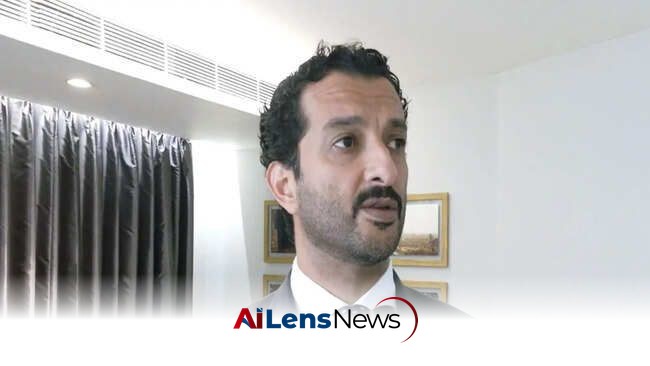


India and the UAE are set to enhance their strategic partnership by investing in critical minerals and expanding air services, aiming for a $200 billion trade target.
New Delhi, India Jul 27, 2026 ALN: Ahmedabad: India and the UAE are poised to deepen their strategic partnership beyond bilateral trade by exploring joint investments in third countries, particularly in critical minerals. This initiative comes as global supply chains are being reshaped by rising geopolitical risks, according to Abdulla Bin Touq Al Marri, the UAE Minister of and Tourism. The increasing importance of critical minerals in the global , particularly in the context of technological advancements and the transition to renewable energy, has prompted nations to reassess their resource strategies and partnerships.
Critical minerals, which include elements such as lithium, cobalt, nickel, and rare earth elements, are essential for various industries, including electronics, automotive, and renewable energy. As the world shifts towards greener technologies, the demand for these minerals is expected to surge. The UAE, with its strategic location and investment capabilities, seeks to position itself as a key player in the global supply chain for these vital resources.
Al Marri emphasized the need to enhance seat entitlements under the India-UAE air services pact, noting that demand currently far exceeds available capacity. He argued that revising the agreement is crucial for supporting the next phase of trade, tourism, and investment. The aviation sector has long been a cornerstone of the India-UAE relationship, facilitating not only the movement of people but also the exchange of goods and services. The current limits of 66,000 weekly seats for flights to/from Dubai and 50,000 for Abu Dhabi have been fully utilized, indicating a pressing need for expansion.
The UAE minister highlighted the potential for a trilateral approach, where India and the UAE could jointly invest in third countries. This could involve partnering with nations that possess significant reserves of critical minerals, thereby securing a stable supply while also fostering ties with those nations. By investing together, India and the UAE can leverage their respective strengths—India's growing demand for these minerals and the UAE's financial resources and logistics capabilities—to create mutually beneficial outcomes.
“That’s where I would like the partnership to go,” he stated, underscoring the importance of collaborative efforts in addressing the challenges posed by the changing global landscape. The focus on critical minerals is particularly timely, as countries around the world are looking to secure their supply chains in the face of geopolitical tensions and trade disruptions. For instance, the ongoing competition between major powers like the United States and China has led to a reevaluation of supply dependencies, making it imperative for countries to diversify their sources of critical minerals.
Al Marri mentioned that the partnership could begin with sourcing and processing critical minerals such as nickel, cobalt, copper, and lithium. These materials are vital for renewable energy technologies, including solar panels and wind turbines, as well as for batteries used in electric vehicles and consumer electronics. “Processing these minerals is extremely important, and so is securing their sourcing,” he added, highlighting the need for a comprehensive strategy that encompasses both extraction and processing capabilities.
With global supply chains being redrawn amid geopolitical risks, he urged India and the UAE to collaborate in redesigning supply routes and exploring new investment opportunities. This collaboration could involve joint ventures in mining, processing facilities, and research and development initiatives aimed at enhancing the efficiency and sustainability of mineral extraction and processing. By working together, both nations can ensure that they remain competitive in the global market for critical minerals.
Al Marri made a strong case for revising the India-UAE bilateral air services agreement, noting that the aviation sector plays a pivotal role in facilitating growth. He stressed that expanding capacity should be viewed as an imperative, linking aviation policy to tourism and job creation. The significant Indian community in the UAE, which numbers in the millions, represents a substantial market for air travel, further underscoring the need for increased flight capacity.
He cited a study indicating that a 1% increase in seat capacity from India to the UAE would reduce airfares by approximately 0.2%. “It’s important to look at this from the consumer’s perspective as well,” he said, emphasizing the importance of affordability and accessibility in air travel. The reduction in airfares could stimulate travel and trade, benefiting both economies.
Al Marri noted that aviation has played a crucial role in helping India and the UAE reach the $100 billion bilateral trade target and will be equally important in achieving the next milestone of $200 billion. The growth in trade between the two nations has been driven by a combination of factors, including the expansion of air services, increasing tourism, and a growing appetite for bilateral investment. He has held discussions with various Indian officials, including Commerce Minister Piyush Goyal and Civil Aviation Minister Ram Mohan Naidu, to further these goals.
The discussions around enhancing air services and exploring joint investments in critical minerals reflect a broader trend of increasing interdependence between India and the UAE. Both countries are looking to capitalize on their strengths—India's large consumer market and the UAE's strategic location and investment capabilities—to foster a more robust partnership.
In conclusion, the strategic partnership between India and the UAE is set to evolve, focusing on critical minerals and enhanced air services, which are essential for future growth and collaboration. As both nations navigate the complexities of the global , their ability to adapt and innovate will be critical in ensuring that they remain competitive and resilient in the face of emerging challenges. The potential for joint investments in critical minerals and the expansion of air services could serve as a model for other countries looking to strengthen their ties in an increasingly interconnected world.
To learn more about the latest developments in Trade & Commerce, stay updated with our exclusive reports and analyses on AiLensNews.

