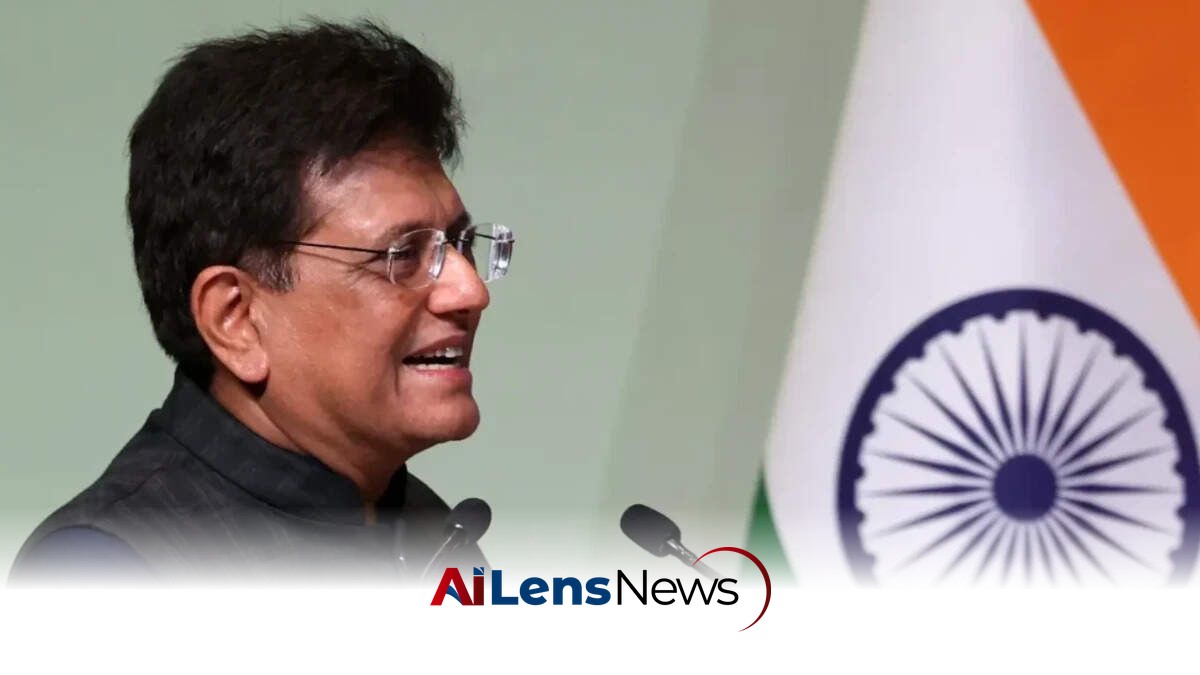


India and the EU aim to complete the legal scrubbing of their free trade agreement text soon, with plans to sign the pact by year-end.
New Delhi, India Jul 6, 2026 ALN: New Delhi: India and the European Union (EU) are expected to complete the legal scrubbing of the free trade agreement text in the next 15-20 days, according to Commerce and Industry Minister Piyush Goyal. This announcement was made during an award event of the Council of Leather Exports (CLE), emphasizing the significance of the impending agreement for India's trade landscape.
The EU-India Free Trade Agreement (FTA) has been a topic of negotiation for several years, reflecting the growing ties between India and the 27-nation bloc. The FTA is expected to enhance trade relations by reducing tariffs, increasing market access, and fostering collaboration across various sectors. In January, India and the EU concluded negotiations for the trade pact, marking a significant milestone in their relationship. Following the legal scrubbing of the text, both sides are anticipated to sign the agreement by the end of this year, with implementation expected in the following year. This timeline indicates a proactive approach from both parties to finalize the agreement and begin reaping its benefits.
Goyal mentioned that he will be in Brussels on July 14-15, leading a delegation of business representatives. This visit underscores the Indian government's commitment to enhance trade relations with the EU, as Goyal emphasized the importance of this trip, stating, "We are going to Brussels, Spain, Brussels and Finland, because we have already started marketing Indian products, goods and services." This marketing initiative is crucial as it aims to promote Indian goods in European markets, which could lead to increased export opportunities. The EU is one of India's largest trading partners, and strengthening this relationship is vital for India's growth.
During his visit, Goyal is expected to engage in discussions with Maros Sefcovic, the EU Trade Commissioner, regarding the ongoing negotiations and the legal aspects of the FTA. The minister also highlighted that they are exploring ways to expedite the legal scrub of the EU-India FTA to facilitate its ratification in the EU's Commission and Parliament. This step is essential, as it will pave the way for the agreement to be formally adopted and implemented, thus enhancing bilateral trade. The successful conclusion of the FTA could lead to a significant increase in trade volumes, benefiting both economies.
Goyal expressed optimism about the FTA, stating, "Our effort is that in the first quarter of 2027, the EU-India FTA, which will open 27 developed countries for our businesses, will enter into force and take the country's exports to a newer height." This forward-looking statement indicates a strategic vision for India's export growth, particularly in accessing developed markets that can significantly benefit Indian businesses. The EU market, known for its stringent quality standards and high purchasing power, presents a lucrative opportunity for Indian exporters across various sectors.
He pointed out that leather and leather product exports have reached USD 4-4.5 billion, and the trade pacts will create significant opportunities in developed countries. The leather sector is particularly crucial for India, as it not only contributes to export earnings but also provides employment to millions. Goyal urged the leather industry to target USD 15 billion in exports over the next 5-6 years, setting an ambitious goal that reflects the potential of the sector in the global market. The leather industry is one of the oldest industries in India and has been a significant contributor to the country's development.
Goyal encouraged the leather sector to focus on areas such as finishing, designing, packaging, and brand building, stating, "These are the areas which will define our future. Our export promotion mission is willing to extend every possible assistance that you may require." This guidance highlights the importance of enhancing the value chain within the leather industry, encouraging manufacturers to move beyond basic production towards creating high-quality, branded products that can compete effectively in international markets. By improving design and branding, Indian leather products can appeal to a broader audience, elevating their status in global markets.
He also called for diversification of export destinations, noting that 77 percent of India's leather exports currently go to only 15 countries. Goyal emphasized that it is time to broaden the market reach, which is crucial for mitigating risks associated with over-reliance on a limited number of markets. By targeting a wider array of countries, Indian exporters can enhance their resilience against global market fluctuations. Diversification is particularly important in the context of changing global trade dynamics, where reliance on a few markets can expose exporters to vulnerabilities.
In addition to the EU negotiations, Goyal mentioned that India is in dialogue with Canada for a trade pact, which he hopes could be concluded by the end of the year. The potential agreement with Canada could further strengthen India's trade ties with North America, opening new avenues for Indian exporters. Canada, being a developed , offers significant opportunities in sectors like technology, agriculture, and services. He also highlighted existing FTAs with Oman and the UAE in the Gulf Cooperation Council region, which have already facilitated increased trade flows and investment opportunities. These agreements have proven beneficial in enhancing India's footprint in the Middle East.
Furthermore, ongoing negotiations with a six-country bloc could expand India's trade agreements significantly. This proactive approach to forging new trade relationships reflects the Indian government's strategy to enhance its global trade footprint and diversify its partnerships. The emphasis on expanding trade agreements aligns with India's broader goals, which include increasing exports and attracting foreign direct investment (FDI).
In addition, discussions are underway with Mexico, Brazil, and three other countries, which could increase the total number of trade pacts to 60. Such an expansion in trade agreements could provide Indian businesses with a broader platform to engage in international trade, promoting exports and attracting foreign investment. The cumulative effect of these trade agreements could lead to enhanced competitiveness for Indian products in global markets.
In conclusion, the EU-India FTA represents a pivotal opportunity for Indian businesses, particularly in the leather sector, to expand their reach into developed markets. The government's proactive approach in facilitating these agreements is expected to yield substantial benefits in the coming years. As India continues to navigate the complexities of global trade, the successful implementation of this FTA and others will be instrumental in achieving its objectives and enhancing its position in the international market. The FTA is not just a trade agreement; it is a strategic tool that can potentially reshape India's landscape, making it a formidable player in the global trade arena.
To learn more about the latest developments in Trade & Commerce, stay updated with our exclusive reports and analyses on AiLensNews.

